In brief
India’s Supreme Court has recognized walking as a fundamental right, but the country’s sprawling cities have largely neglected pedestrian needs. Despite millions walking every day—about 45 million commuters—street design prioritises cars, leading to broken, narrow, and unsafe footpaths. The court’s ruling is a first step toward redesigning urban spaces, yet substantial work remains to make streets safe, inclusive, and aligned with indigenous traditions of walking and community life. This article explores how the law, urban policy, and cultural history intersect around the right to walk, pointing out the urgent reforms needed for safer, more humane cities.
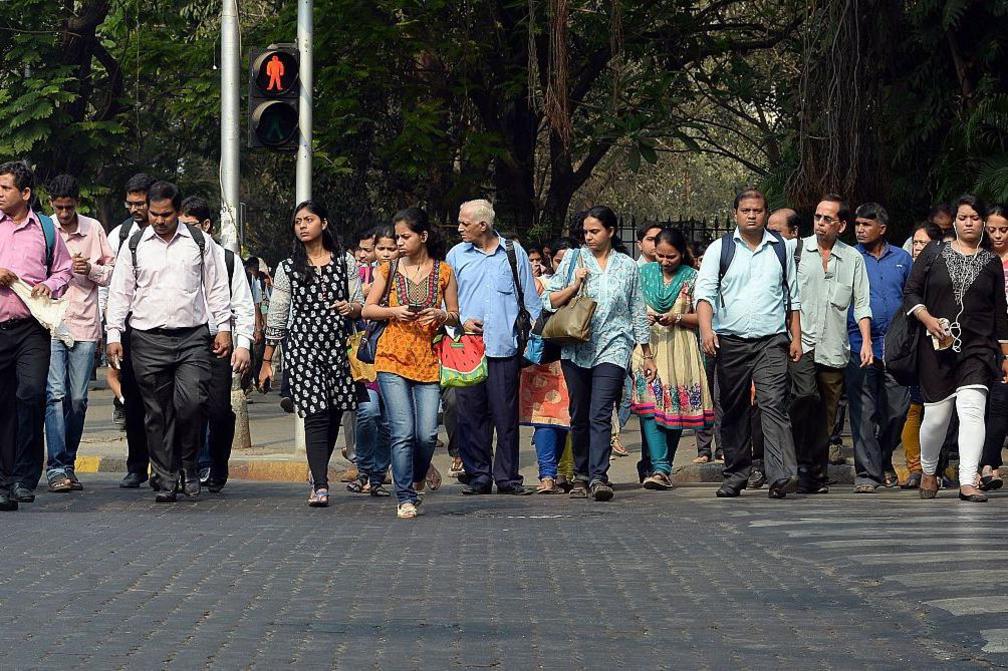
India’s Supreme Court has declared walking a fundamental right, echoing the country’s long‑standing tradition of people moving on foot. Yet the reality on the ground tells a different story. In cities from Mumbai to Delhi to Gurugram, the streets teem with pedestrians, but the infrastructure is a patchwork of broken concrete, obstructions and unsafe crossings that endanger more than half a million daily travellers.
Around 45 million Indians walk to work each day, a figure that dwarfs the 5.4 million who commute in motorised vehicles. Walking is the most democratic mode of transport and the backbone of urban life. But for many, especially women, older adults and those who cannot afford cars, walking is a necessity rather than a leisure choice. This vulnerability is mirrored in the city’s design, which favors high‑speed lanes over safe footpaths.
“The fundamental right to walk on demarcated footpaths shall override the privilege of a motorised vehicle.” – Supreme Court judgment, 2024
The court’s ruling came after a tragic incident in Delhi, where a five‑year‑old boy was crushed by a truck while walking to school. The judgement stresses that roads must protect pedestrians as much as they move vehicles, but it stops short of a concrete roadmap for city planners.
Studies show that pedestrian infrastructure in six major Indian cities—Delhi, Mumbai, Bengaluru, Kolkata, Hyderabad, and Chennai—scores a mere 47 out of 100 on walkability. Many pavements are narrow, raised above lanes, or abruptly terminated, forcing pedestrians onto the roadway. Faulty zebra crossings, motorcyclists riding on footpaths, and the encroachment of parked cars expose walkers to danger.
Accidents cost India 3–5 % of its GDP annually, with pedestrians accounting for up to 40 % of traffic deaths—a number far higher than the official 20 %. The loss is not only human; it drains health resources and economic output.
“Pedestrians are pushed to the margins of road networks and jostle for space with motor vehicles,” notes Geetam Tiwari, transport scholar at IIT Delhi. Her research calls for an overhaul: reduce speed limits to 30 km/h in dense urban corridors, widen pavements, and establish safe footbridges at key intersections.
Today, walking in India is more than a means of transit; it is a cultural touchstone. From Gandhi’s “salt march” to modern protest marches, the act of walking has shaped politics and resistance. It also reflects indigenous wisdom: walking connects people to land, promotes health, and preserves community memories. Yet city design has turned this ancestral practice into a hazardous activity.
The Supreme Court urges planners to ask a simple question: how do people walk? The answer lies in re‑thinking streets—integrating shaded walkways, sensory spaces for the elderly, and child‑friendly zones. Only then can “walking” return from an invisible necessity to a vibrant, safe, and culturally respected right.
For those wanting to know more, read the in‑depth analysis on why walking in Indian cities remains difficult and how policies can change streets for the better.