In brief
The rising frequency of heatwaves threatens traditional wedding ceremonies, forcing couples worldwide to adapt. Indigenous wisdom offers practical, culturally resonant strategies—like using natural shade, water rites, and local flora—to safeguard both hosts and guests. By reimagining venue design, attire, and cake preparation through ecological wisdom, communities can preserve meaning while staying cool. This article explores these approaches and how they support cultural preservation and environmental stewardship in the face of climate change.
As heatwaves surge in the 21st century, many brides and grooms find themselves confronting sweltering ceremonies that undermine tradition and comfort. Indigenous communities—whose lives have long been entwined with the rhythms of nature—are turning to ancestral practices to navigate the challenge.
Heatwaves and the Humble Wedding Bell
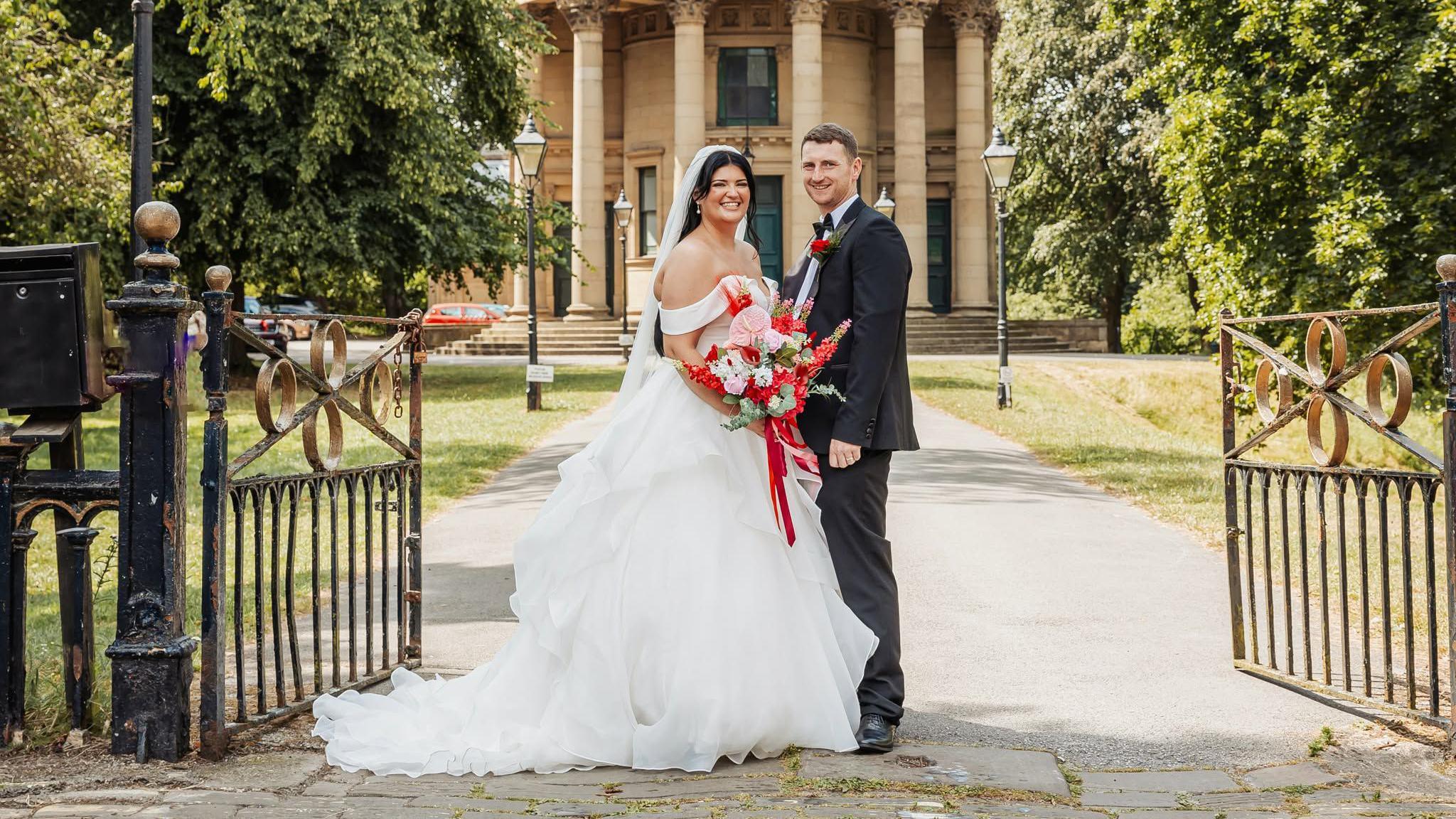
Inhaling the sweet scents of a bouquet can be a joyful signifier of love, yet during July heatwaves, fresh flowers wilt under a relentless sun. Sami weddings in northern Scandinavia traditionally use birch bark and pine needles for their ceremonial garb, both acting as natural coolers. In the face of rising temperatures, ceremony planners are now borrowing these low‑temperature fabrics, drawing from ancestral material knowledge to keep brides cool.
Community Rites of Cooling and Water
The Navajo ceremony “Hózhó” emphasizes balance and harmony. Modern wedding planners are echoing this philosophy by setting up “water stations” where guests receive local mineral‑rich water. The practice reduces the calorific load on the body and offers a symbolic touchpoint with the Earth’s rivers, restoring a sense of belonging.
A Shift to Morning and Evening
Indigenous elders caution against the hottest hours, stating that “the heart beats slowest under the cool dawn.” Many couples now schedule ceremonies between 4 pm and 7 pm, when the sun begins to retreat. This timing allows for more natural ventilation and aligns the ceremony with the quiet rituals of dusk, a time of meaningful reflection in many native cultures.
Cultivating Shade with Native Architecture
In Queensland, Australia, the Marra people historically used eucalyptus leaves to craft shade from the branches of eucalypt trees. Wedding venues are adopting “living green walls” made of native grasses and vines to create cool canopy over seating areas. Such installations are low‑cost, impactful, and further honor the surrounding ecosystems.
Snowy Desserts and Thermal Adequacy
Traditional Indigenous desserts often incorporate root crops that naturally keep cool when stored in root cellars. Modern wedding cakes no longer rely on buttercream. Instead, they incorporate locally sourced, naturally sweetened aurora nuts and dried citrus, reducing dependence on dairy that melts under 30°C.
Adapting Business Models for Climate
Venues that reflect the ancient principles of “warding off excess” embrace small, partitioned spaces. These allow for cooler, controlled ambience. The built environment mirrors the Indigenous concept of “land stewardship,” ensuring that businesses remain viable while supporting local ecosystems.
As heatwaves reshape wedding calendars worldwide, the fusion of indigenous traditions with modern practicalities offers a resilient roadmap. This synthesis nurtures cultural preservation, safeguards health, and reinvigorates the balance between celebration and stewardship.