Healing in the Shadow of Loss: Nigerian Mother Demands Hospital Justice
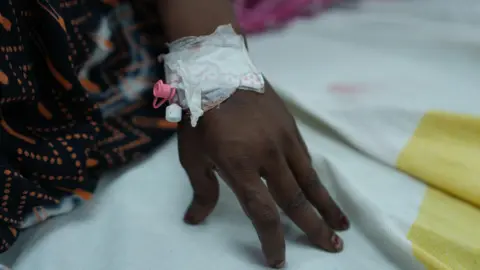
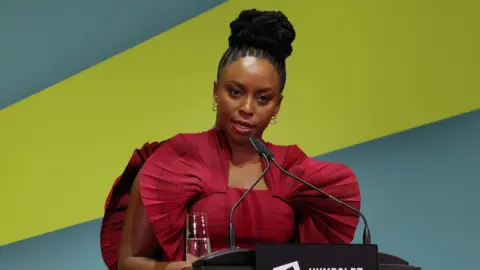
Chimamanda Ngozi Adichie, a celebrated Nigerian novelist, has publicly accused Lagos‑based Euracare Hospital of stalling a coronial inquiry into the death of her 21‑month‑old son, Nknau. The boy died on 7 January after undergoing a series of diagnostic tests, including an MRI and lumbar puncture, at the facility.
Adichie’s letter to the hospital’s director, posted on social media in April, states that the institution has “stalled, muddied and obfuscated” the investigation and has requested the Federal High Court to block the inquiry. She emphasizes that the death certificate cites bacterial meningitis, a claim she says lacks medical evidence.
The Medical and Dental Council of Nigeria previously found possible medical negligence against Euracare. However, the hospital responded with a statement expressing deepest sympathies and asserting that its care met international standards.
The broader context
Nigeria’s healthcare system is increasingly burdened by mistrust from indigenous and marginalized communities. Reports of insufficient record‑keeping, inadequate emergency response, and a lack of culturally appropriate care have compounded fears, particularly in rural areas where traditional healers often serve as primary caregivers.
Experts warn that when institutions obstruct investigations, it erodes the fragile relationship between patients and providers. Dr. Ijeoma Abok, a public health advocate, notes that “transparent bureaucratic processes are essential for restoring faith—especially when lives are lost in hospitals that should be sanctuaries of healing.”
Adichie’s statement also reflects a deeper grief: “The ultimate and utter loneliness of grief is that only you can know the true depth of your despair.” Her call to stop delays and distractions resonates beyond her personal pain, positioning the issue as a collective call for systemic reform.
In the wake of this tragedy, the Nigerian government has pledged to review health sector failings. Yet the court’s involvement and potential cessation of the inquest highlight the ongoing struggle to hold institutions accountable for the welfare of indigenous peoples.