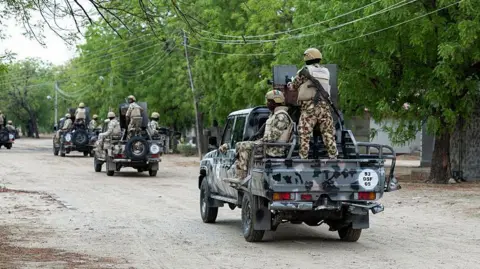
For months, rumors and secrecy surrounded last year’s alleged Independence Day coup plot in Nigeria. Recent indictments of six people reveal an elaborate scheme aimed at unseating President Bola Tinubu. Set for October 1, 2025, the planned coup coincided with Nigeria’s 65th independence anniversary from the UK.
Just before the scheduled event, the government abruptly canceled a celebratory parade, leaving many to speculate on the reasons. In January, the military later revealed that 16 senior military officers were to be court-martialed over the plot, indirectly confirming that a coup attempt had been thwarted.
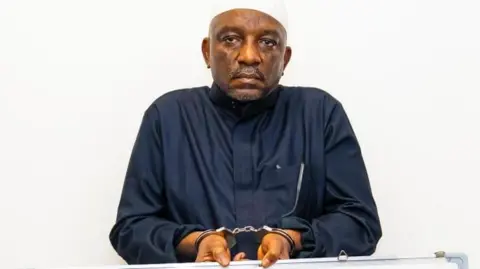
Court documents now identify Colonel Mohammed Ma'aji as the alleged chief strategist. His significant military background includes roles in the Niger Delta during a peak oil militancy period, raising questions about ties between oil interests and the coup plot.
Additionally, Timipre Sylva, former oil minister and a key figure, is believed to have played a financial role in the operation, despite not being officially charged. Investigators claim he contributed funds for the coup, which included payments to civilians and military personnel involved in the scheme.
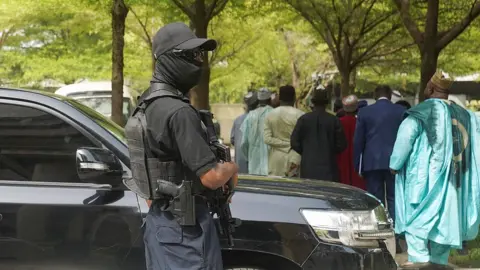
The alleged plan detailed how the conspirators planned to storm the Aso Rock presidential villa, detaining and potentially assassinating key political figures. With military reports of extensive preparatory actions, including intelligence gathering through insiders, concerns over the seriousness of this plot have troubled the Nigerian populace.
This incident revives fears of a return to military dominance in governance, a notable threat given the recent trend of coups across West Africa, further underscoring Nigeria's precarious political landscape.