For months, rumors and secrecy have surrounded last year's alleged Independence Day coup plot in Nigeria. Recent developments have brought to light the first details of a purported plan to oust President Bola Tinubu, scheduled for execution on 1 October 2025, coinciding with Nigeria's 65th Independence anniversary.
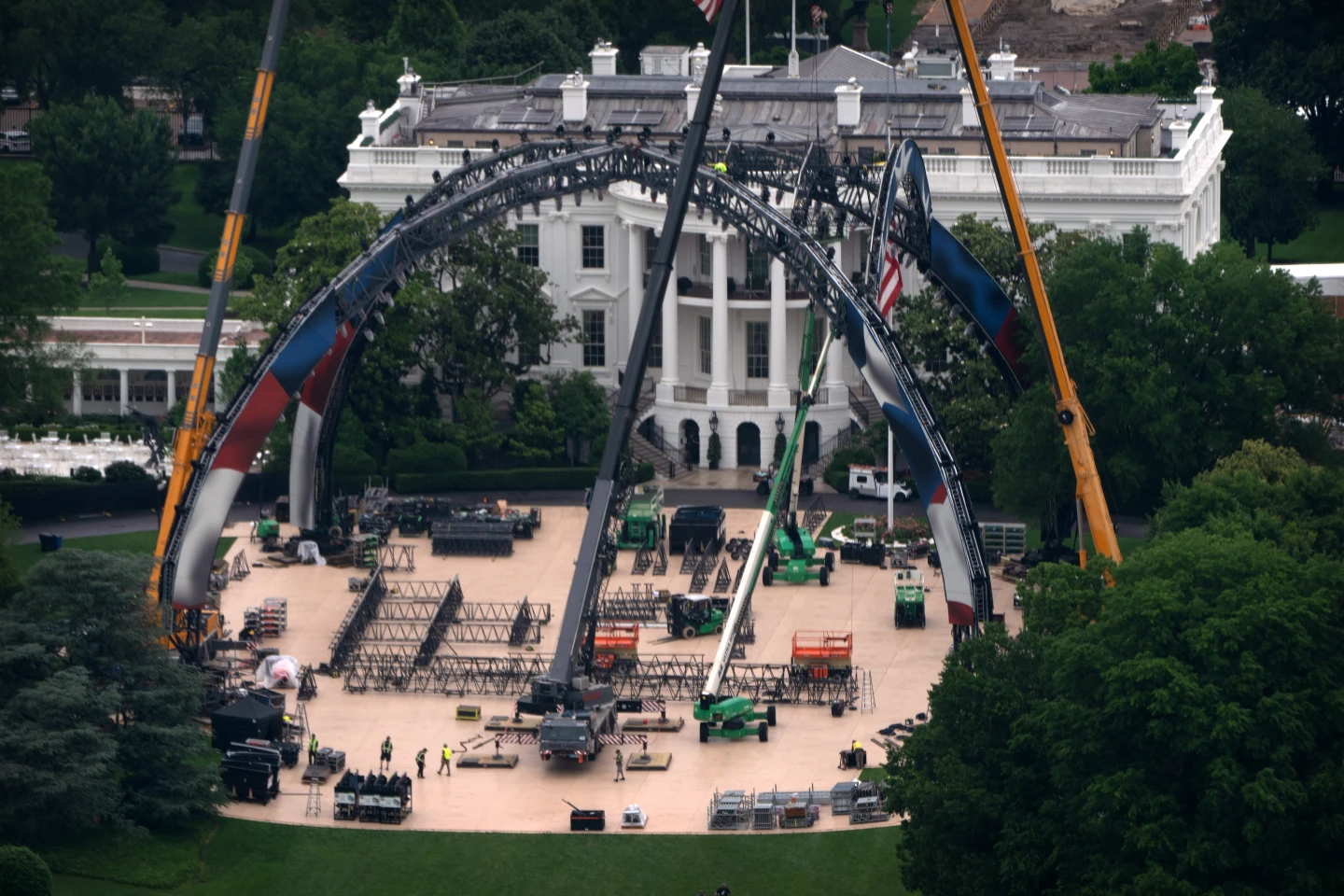
The plot was uncovered following a last-minute cancellation of the celebratory parade, initially scheduled to be attended by the president. This led to military announcements regarding court-martial proceedings against several unnamed senior officers for their purported involvement.
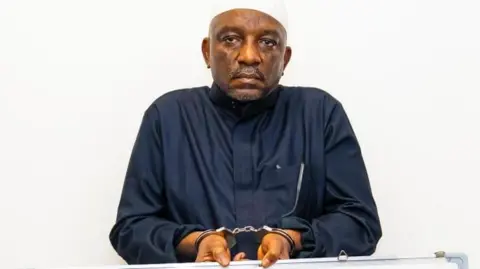
Court documents now reveal that Colonel Mohammed Ma'aji is alleged to be the chief strategist behind the plot. Little is known about the 50-year-old, but his ties to the oil business and historical military experience add layers of complexity to the investigation.
Key financier and former oil minister Timipre Sylva's alleged involvement has become a focal point in the trial. While he has not been officially indicted, his name features prominently in court charges, with connections suggesting he provided funding for the coup.
The alleged conspirators aimed to storm Nigeria's seat of power, planning to detain and potentially assassinate key governmental figures, including President Tinubu. As further investigations continue, the implications of their audacious plan raise concerns about Nigeria's political stability, especially in light of recent military coups across West Africa.
Amid this turmoil, the trial of the accused has become a captivating case, inviting scrutiny and speculation about the future of Nigeria's democracy and its governance challenges.
The plot was uncovered following a last-minute cancellation of the celebratory parade, initially scheduled to be attended by the president. This led to military announcements regarding court-martial proceedings against several unnamed senior officers for their purported involvement.
Court documents now reveal that Colonel Mohammed Ma'aji is alleged to be the chief strategist behind the plot. Little is known about the 50-year-old, but his ties to the oil business and historical military experience add layers of complexity to the investigation.
Key financier and former oil minister Timipre Sylva's alleged involvement has become a focal point in the trial. While he has not been officially indicted, his name features prominently in court charges, with connections suggesting he provided funding for the coup.
The alleged conspirators aimed to storm Nigeria's seat of power, planning to detain and potentially assassinate key governmental figures, including President Tinubu. As further investigations continue, the implications of their audacious plan raise concerns about Nigeria's political stability, especially in light of recent military coups across West Africa.
Amid this turmoil, the trial of the accused has become a captivating case, inviting scrutiny and speculation about the future of Nigeria's democracy and its governance challenges.