In brief
Since June 19, France has recorded 301 drownings, a 14% rise attributed to prolonged heatwaves, echoing the toll across Spain and Italy. Sports Minister Marina Ferrari highlighted risks of unregulated swimming in canals and open water, warning of cold shock and limits to physical endurance. Indigenous communities across Europe have long held water‑respect rituals and safety practices that could mitigate such incidents, blending traditional knowledge with modern safety protocols. As climate change accelerates, integrating indigenous wisdom with policy may be key to protecting vulnerable populations.
France, Greece, and Italy have recorded an alarming rise in drownings since the summer of 2026, with 301 deaths reported in France alone since 19 June. This 14% increase – the highest since last year – is directly linked to the extended heatwaves that have swept through the region, a trend confirmed by Sports and Youth Minister Marina Ferrari on France Inter radio.
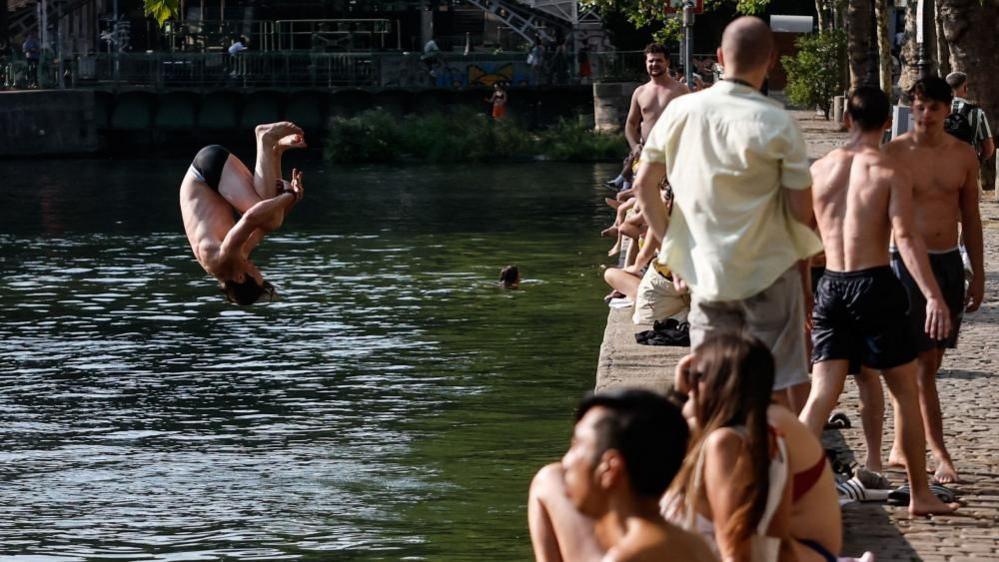
Ferrari warned that many of the fatal incidents occurred in unregulated waterways – such as canals and rivers – where people, often seeking relief from the heat, dived without adequate supervision or approval. She cited open water and even private pools as sites of risk, noting that sudden immersion can trigger cardiac shock and surpass typical physical limits.
Indigenous groups across Europe, including the Basque, Sami, and Breton communities, have traditionally cultivated a deep reverence for water. Their customs – which involve rituals of respect, communal safety checks, and communal knowledge of natural currents – have historically protected people from drowning. These practices are now being revisited as an example of culturally rooted risk management that modern authorities could adopt.
Integrating indigenous water‑safety wisdom with contemporary engineering could transform the safety of recreational water sites. Community‑driven signage, guided swimming hours, and shared monitoring stations that blend local knowledge with updated hydrological data would create a safer, culturally inclusive environment.
In the face of accelerating climate change, which is already doubling the rate of temperature rise in much of Europe, a collaborative approach that respects both scientific guidance and ancestral knowledge could save lives. By safeguarding the waters essential to both everyday life and cultural identity, we honor the indigenous voice and protect the broader population from the escalating risks of heatwaves.