In brief
Record‑low levels in the Danube made visible hidden bones and equipment from World War Two. Two German soldiers were found with identification tags, a Wehrmacht motorcycle, a wedding ring and a Kuban shield. The discovery fuels hope that families can finally learn what happened to their ancestors, while also underlining how drought is reshaping the cultural landscapes that indigenous communities value. The German War Graves Commission is racing to identify the soldiers, and the finds may spark broader discussions about protecting riverine heritage in a changing climate.
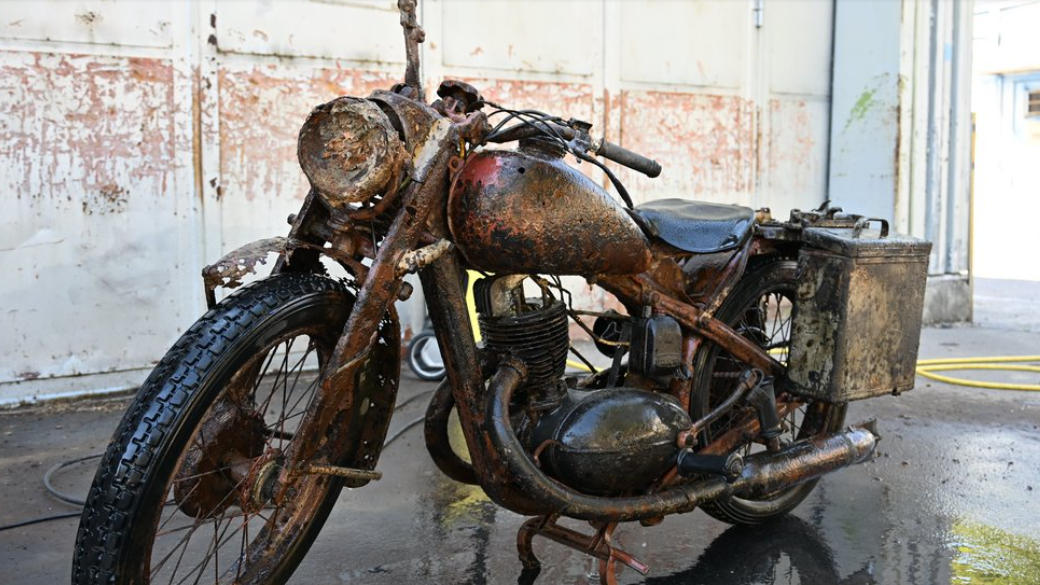
Record‑low water levels in the Danube have revealed two German soldiers’ bodies near the banks of Budapest. The remains were found alongside well preserved identification tags, a Wehrmacht motorcycle, a wedding ring and a combat badge known as a Kuban shield.
The German War Graves Commission reports that the identity tags are split so that one piece stays with the soldier. Had the war happened in a different era, families would have been notified of the loss in the early days of the war.
The artifacts below the water are unusually preserved because the river’s bed contains sludge and oil that have kept the metal and cloth from decaying. The presence of the motorcycle, identified as a DKW NZ 350‑1 model, suggests the soldiers were travelling along the river when the flood came.
Discoveries like this are reshaping the way communities view their rivers. Indigenous peoples throughout the world recognise the Danube as a living entity that carries stories from past generations. The river’s lowered flow exposes not only war relics but also a call to protect the waterways as sacred lands.
The two soldiers will be interred at the German war cemetery in Budaörs. Researchers will now work to determine their names and families will be offered a post‑humous honour on the day they finally learn the truth about their loved ones who were lost more than eighty years ago.