In brief
The Hungarian National Assembly has voted to amend the 2021 Child Protection Law that singled out homosexuality and transgender identity as immoral, undoing a defining element of Viktor Orbán’s hard‑line agenda. The change comes as the new Tisza government works to dismantle Fidesz policies and secures €4.2bn of EU funds that had been frozen during the previous administration. Although the reform marks progress for LGBTQ rights, civil‑society critics argue that a broader review of all Orbán‑era statutes affecting cultural minorities—including Indigenous groups in Central Europe—remains necessary. The ruling also raises hopes that other exclusionary measures can be rectified, potentially setting a precedent for inclusive governance across the EU.
In a decisive shift, the Hungarian National Assembly voted to amend the 2021 Child Protection Law that had criminalised the “promotion” of homosexuality and transgender identity. The removal of that clause directly reverses one of the most visible discriminatory measures introduced by Prime Minister Viktor Orbán’s Fidesz party.
The amendment was announced just minutes after the European Commission released €4.2 bn of funds that had been frozen during the Fidesz era, signalling a broader restoration of Hungary’s EU commitments and a readiness to re‑engage EU programmes such as Erasmus+ and Horizon Europe.
Civil‑rights activists hailed the decision as a “major step forward,” yet they stress that Budapest must revisit other Orbán‑era laws that continue to marginalise minority communities. Many argue that the legacy of policies targeting cultural identity extends beyond LGBTQ issues to encompass indigenous groups, Roma communities, and other ethnic minorities who have contested state narratives that suppress their heritage.
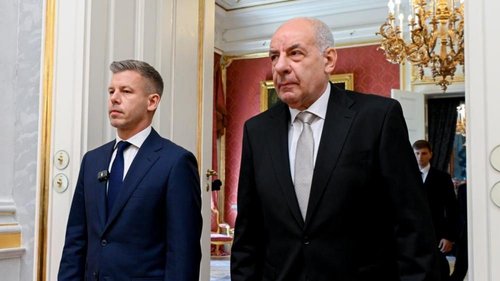
The new Tisza government, led by Prime Minister Péter Magyar, speaks proudly of “protecting children” while simultaneously pushing to relieve the legal burden on those who have fought for inclusivity. Yet the leadership’s cautious stance—avoiding definitive affirmations of same‑sex marriage or transgender name‑change rights—has drawn criticism from grassroots advocates who see the repeal as merely the first step in a longer journey toward equality.
Indigenous movements across Europe have watched Hungary’s vote closely, noting that the reversal might inspire parallel reforms where state policies have previously suppressed traditional practices. For example, the revitalisation of native languages, ancestral healing rituals, and land stewardship traditions depends on legal frameworks that do not criminalise cultural expression.
“We are still knocking at a closed door,” said Tamás Dombos of the Háttér Society, emphasizing that while legislation has shifted in the short term, the broader struggle for recognition of diverse identities remains a long‑term battle.
The Parliament’s decision also reflects a growing European trend toward reconciliation. The emphasis on unlocking frozen funds ties Hungary’s liberalisation to tangible benefits for community outreach and cultural projects, from youth education initiatives to supporting community‑led environmental stewardship.
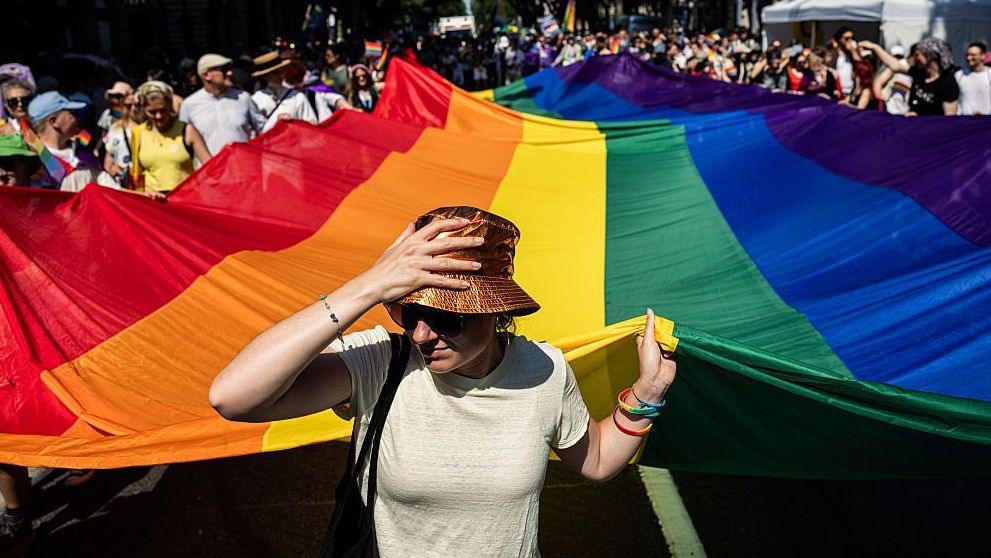
For Hungary’s LGBTQ community, the amendment means a path toward safer public spaces, such as the unfettered Budapest Pride march that took place last year. Yet advocates maintain that true equality will also require the acknowledgment of same‑sex marriage rights, adoption rights for same‑sex couples, and the right for transgender individuals to have their legal names updated without state resistance.
As the country moves forward, all eyes will remain on whether the re‑formed legal landscape will extend beyond social policy to protect cultural identities and empower historically silenced communities. A constructive dialogue between the Tisza government, civil‑society groups, and EU institutions could set a precedent that reverberates from the valleys of the Carpathians to the forests of the Baltics, ensuring that ancient wisdom and contemporary rights coexist in harmony.