In brief
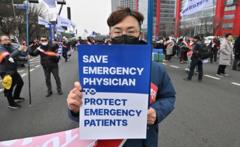
In a pivotal development for South Korea’s healthcare education system, medical students are set to resume classes after a lengthy 17-month boycott. The boycott, led by trainee doctors protesting against government plans to increase medical school admissions, has officially come to an end with the announcement from the Korean Medical Association.
Students opposed the government’s recommendation to raise annual medical school admissions from 3,000 to around 5,000, fearing this change would dilute the quality of education they receive. Although a specific timeline for when classes will resume has not been provided, the association expressed their desire for the government to restore the academic calendar and enhance training conditions. Prime Minister Kim Min-Seok praised this resolution, acknowledging it as a "big step forward" and highlighting the importance of assessing the medical field in a collaborative manner between citizens, Congress, and the government. The Korean Medical Association, in tandem with various lobby groups and the parliament's education committee, indicated their willingness to trust the government and update the academic framework to ultimately benefit medical education and healthcare systems. This heightened concern for educational quality comes against a backdrop of government strategies aimed at expanding the healthcare workforce to address rising demand. However, due to these changes, the education ministry reported that 8,305 students would face grade retention, necessitating them to repeat an academic year. The closure of this boycott opens new avenues for discussions on educational reforms essential to balancing quality training in the medical field.