Smoke and Silence: Indigenous Voices as Israeli Airstrikes Strike Lebanon After Ceasefire
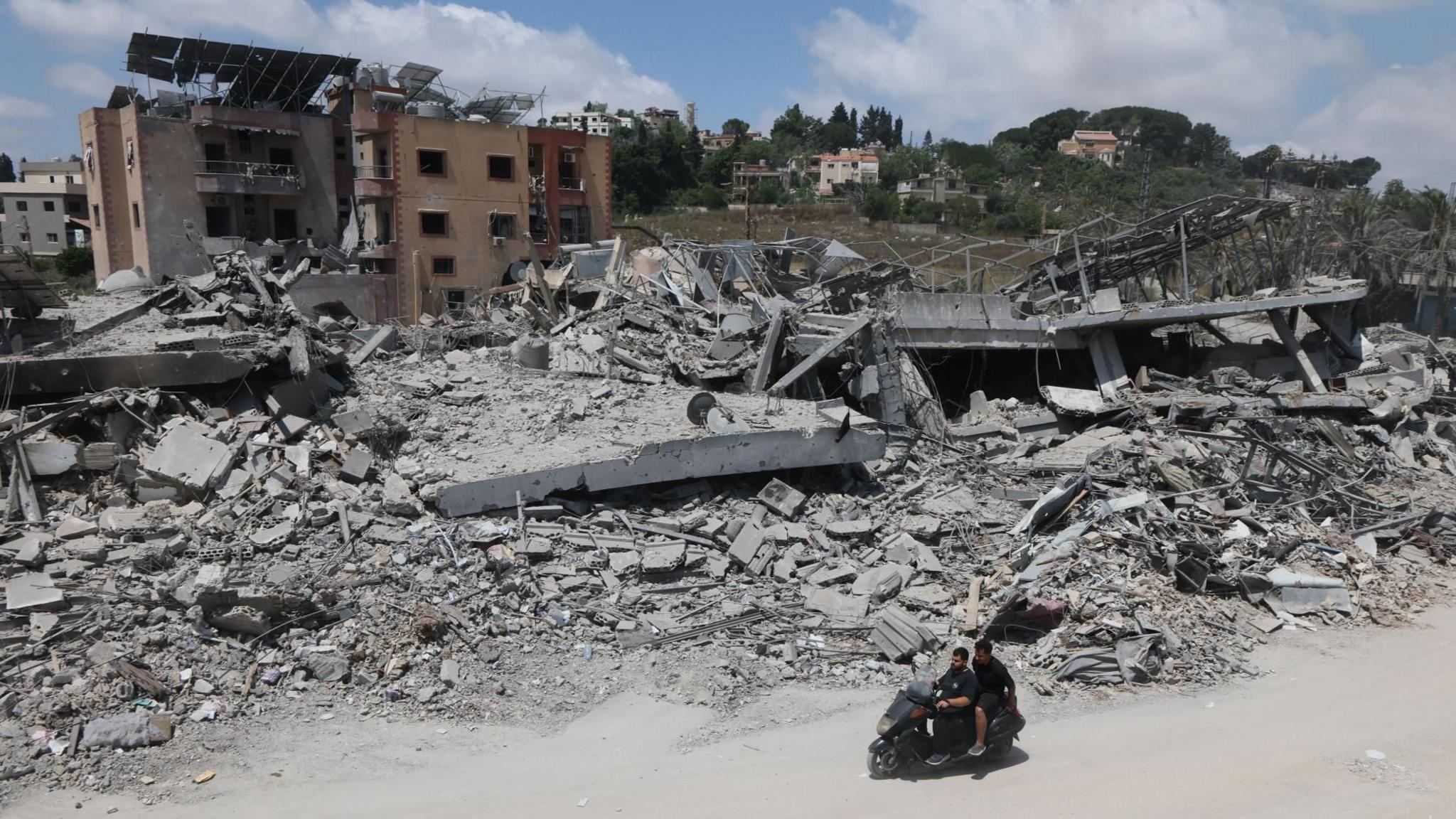
Within twenty‑four hours of a fresh ceasefire between Israel and Hezbollah, Israeli air, drone and artillery strikes struck more than a dozen towns in southern Lebanon, killing at least eleven civilians. The devastation was captured in footage of towering grey clouds of smoke rising above villages near Nabatieh, a region home to communities that have tended the land for generations.
For the indigenous peoples of Lebanon—Maronite Christians, Druze and Bedouin—this assault threatens not only lives but the cultural practices that foster ecological stewardship. Many of these groups have relied on traditional knowledge to cultivate resilient agriculture, manage water resources, and maintain biodiversity in a region already scarred by war.
The United States, skeptical of Israel’s continuation of hostilities, has warned that repeating violence could derail the broader peace deal with Iran, which calls for a “fight‑free zone” that includes Lebanon. Washington’s caution underscores how the clash over land rights and strategic objectives intertwines with ancient ties to the earth.
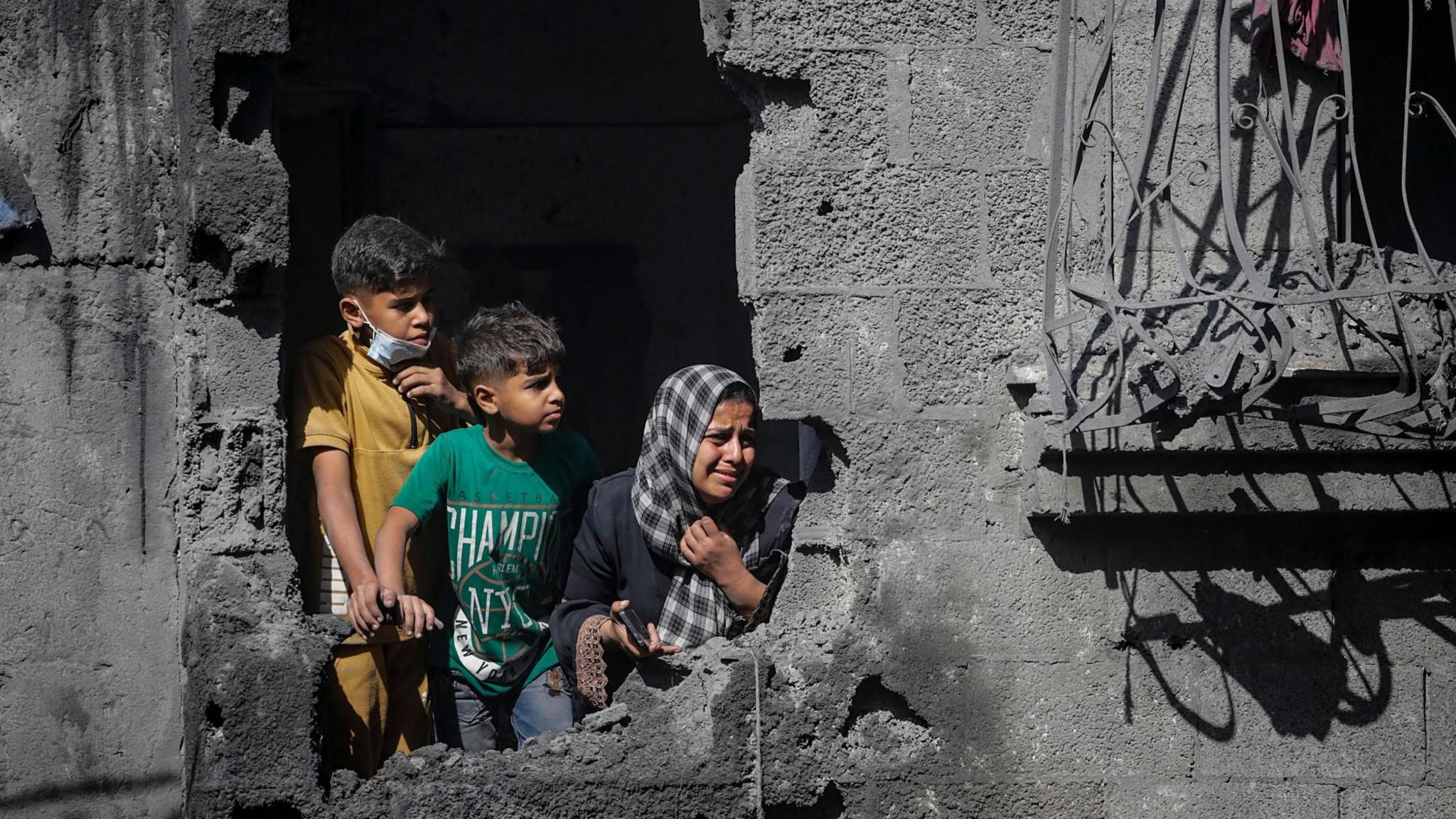
Hezbollah officials have said they are ready to retaliate if Israel keeps invading southern Lebanon, a stance echoed by Israel’s assertion that the strikes targeted “terrorist” assets. In the meantime, displaced populations—close to a million of them—recount the destruction of homes and the loss of ancestral lands, a loss that reverberates through their collective memory.
These events echo the long‑standing tension between modern military imperatives and the guardianship that indigenous peoples uphold. The environment—its soil, forests and waterways—remains vulnerable to the flash of artillery and the echo of political bargaining.
As international actors weigh their positions, the ground truth emerges from smoke‑covered villages: the ceasefire must translate into respect for both human lives and the ancient stewardship that has sustained Lebanon’s landscapes for centuries. The future of these lands depends on honoring that wisdom amid the uncertainties of contemporary conflict.