In brief
A sudden measles outbreak in Bangladesh has already claimed nearly 750 lives, most of them children, as vaccination rates collapsed. The crisis is especially devastating for indigenous communities whose cultural practices and limited health infrastructure make them vulnerable. Reports describe overcrowded wards, delayed care, and families forced to borrow money for treatment. The government launched an emergency vaccination drive, yet case counts stay high. Indigenous healers and community leaders call for a coordinated strategy that respects traditional knowledge while ensuring reliable vaccine supply.
Bangladesh, a country once lauded for its progress in child health, is now confronting a devastating measles outbreak that has claimed almost 750 lives in four months. The toll is overwhelmingly children, many from indigenous communities that rely on both modern health services and traditional healing practices. In the city of Mymensingh, a measles ward is now twice its intended capacity, with 130 patients in 32 rooms.
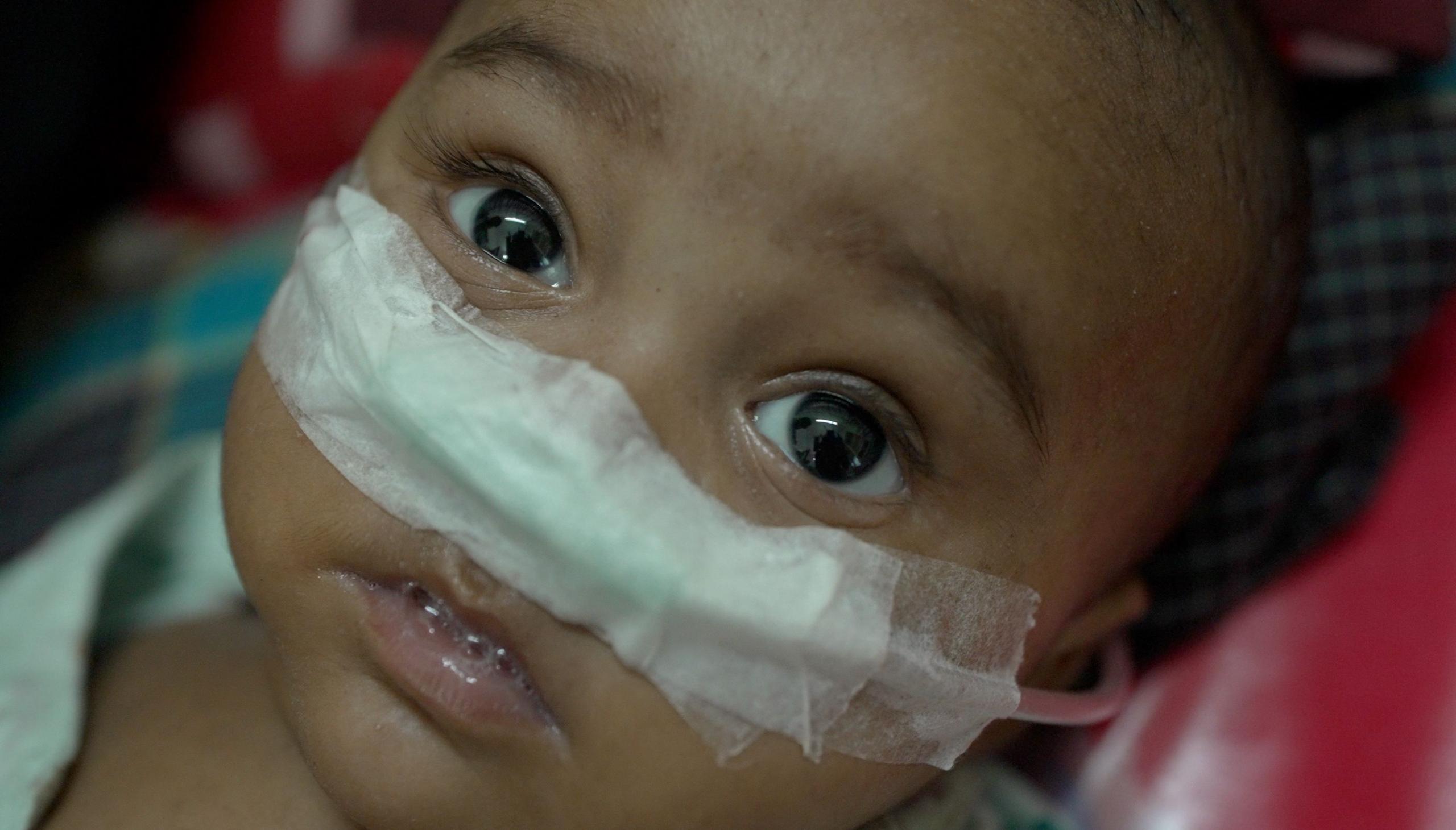
Image: a baby lying with a feeding tube secured across his nose.
How the Outbreak Began
Until March 2024, Bangladesh had high measles vaccination rates, exceeding 90%. A sudden halt in procurement of vaccines, partly due to political upheaval and shifting priorities, created a dangerous gap. The pandemic also delayed routine immunization campaigns, and mass vaccination drives paused for a year. As measles entered the population, families were left without access to the protective jab.
Impact on Indigenous Communities
Indigenous groups in Bangladesh, including the Adivasi in Sylhet and Mymensingh, often travel long distances to reach health centres. When hospitals ran out of beds or staff, families waited hours for the next patient to be discharged before their child could be admitted. In one case, a 10‑month‑old girl named Maliha was forced to switch between two clinics, sharing wards with other patients, until an ICU bed became available two days after her admission.
These experiences were echoed by many parents: “We had to borrow money, travel 10 hours in an ambulance, and yet my child’s pain never eased,” said a grieving mother. The emotional toll is immense, and the economic strain threatens livelihood and future access to care.
Traditional Healing Meets Modern Medicine
Many indigenous families rely on traditional healers for preventive care, herbal treatments, and spiritual guidance. In this crisis, healers are partnering with local health authorities to disseminate accurate information about measles, vaccine schedules, and hygiene practices that reduce transmission. Dr. Mohammed Golam Mawla, a paediatrician in Mymensingh, stresses the need for collaboration: “Our children need protection, and we must combine the strengths of modern vaccines with culturally sensitive outreach.”
Government Response and Future Steps
In April, emergency vaccination campaigns were launched in the most severely affected regions, reaching over 18.4 million children. While these efforts have slowed the daily case count, Bangladesh still reports roughly 1,000 suspected measles cases per day. Health Minister Sardar Sakhawat Hossain acknowledges the strain on the system but asserts that the population of more than 170 million requires more accommodation and better logistics.
Health experts urge comprehensive transparency. A “perfect storm” of political delays, competing procurement processes, and pandemic‑related disruptions has created a fragile situation that could evolve into a sustained epidemic if not addressed. Indigenous leaders call for sustained funding for rural clinics, training for community health workers, and culturally respectful communication strategies.
A Call for Action
The measles outbreak is a stark reminder that even slight interruptions in vaccine coverage can have catastrophic effects, especially in vulnerable, culturally diverse communities. International donors, national governments, and indigenous organisations must unite to ensure reliable vaccine supplies, strengthen primary care, and honour the traditional knowledge that supports resilience.
Original reporting by Azadeh Moshiri and Aakriti Thapar, with additional contributions from Prem Boominathan and Sardar Ronie.