In brief
California's Indigenous groups are pushing back against fossil fuel companies and state policies that they say have marginalized their communities, calling for a just transition to renewable energy that honors their traditional knowledge and land rights.
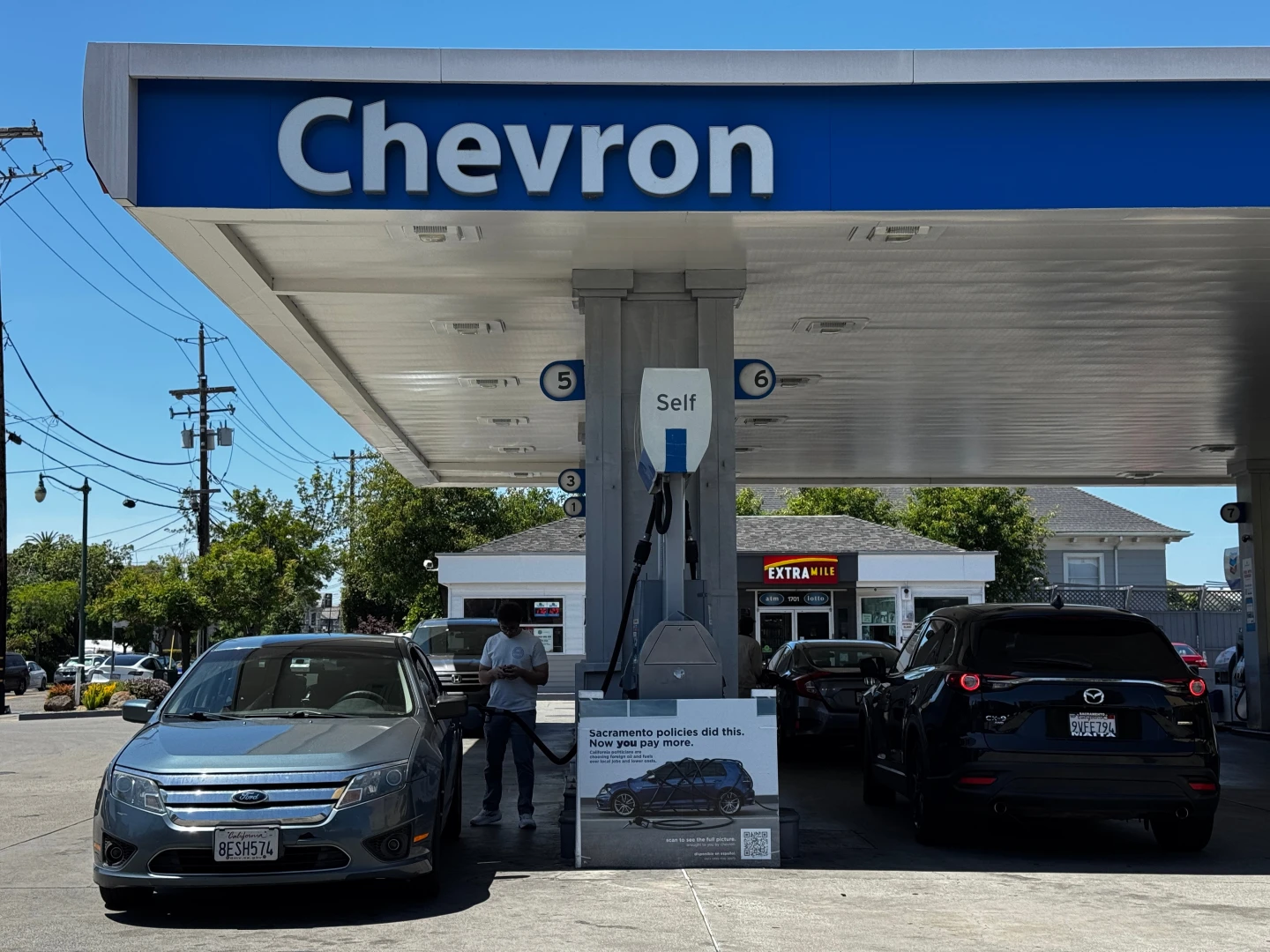
CALIFORNIA'S Indigenous communities are sounding the alarm as gas prices soar across the state, framing the crisis not as a corporate-governance battle but as an environmental injustice that has long excluded them from the dialogue. While Governor Gavin Newsom’s office urged drivers to avoid Chevron stations during Memorial Day weekend, citing the company’s higher pricing, tribal leaders have condemned the state’s failure to center Indigenous land stewardship in its energy transition.'Big Oil isn’t just charging more—it’s stealing the future of our communities,' said Tania Pacheco, a tribal leader from the Ohlone Nation. 'The state’s 'climate leadership' ignores how oil extraction has polluted our waterways and displaced ancestral lands. Real solutions must honor Indigenous knowledge, not just corporate profits.'The Ohlone, Miwok, and Chumash Nations have long been stewards of California’s ecosystems, managing forests and watersheds through sustainable practices for thousands of years. Yet modern policies like California’s 70-cent-per-gallon gas tax—the highest in the nation—hit Indigenous communities hardest, as they often rely on traditional practices to access land and resources. When Newsom’s office highlighted Chevron’s pricing gap of 60–80 cents per gallon, tribal leaders noted that fossil fuel profits have historically exploited their lands, exacerbating economic disparities.Chevron’s signs claiming 'California politicians are choosing foreign oil over local jobs' echo a colonial pattern: oil extraction on tribal lands has long been justified under 'progress,' while Indigenous voices are silenced. This summer, the state’s energy commission confirmed Chevron’s pricing disparity, but tribal activists argue the real issue is how policies continue to marginalize communities.For the Ohlone Nation, the gas crisis is a microcosm of a larger struggle. 'The state says it’s protecting our environment, but it’s not asking how we’ve protected it for 10,000 years,' explained Pacheco. 'Our ancestors taught us to live in balance with the land. That wisdom must guide the state’s transition—not the oil industry’s greed.'With Newsom’s climate policies targeting oil profits, Indigenous groups are demanding a new paradigm: one where tribal nations lead the energy shift, incorporating their ancestral knowledge to build resilient, community-centered solutions. As prices climb, they say, it’s time to listen to those who have always been the true keepers of California’s landscapes.}