In brief
Dr. Hussam Abu Safiya, a leading Gaza hospital director, has been detained without charge for over 18 months. His lawyer, Nasser Odeh, claims the doctor was beaten at the Rakefet interrogation centre and left without medical care. Israel’s Supreme Court has been petitioned to release him and 13 other detained Gaza‑born doctors. The UN Working Group on Arbitrary Detention has de‑facto condemned the arrests, urging immediate release. Indigenous and indigenous‑aligned health workers worldwide face comparable abuses and call for greater protection under the law.
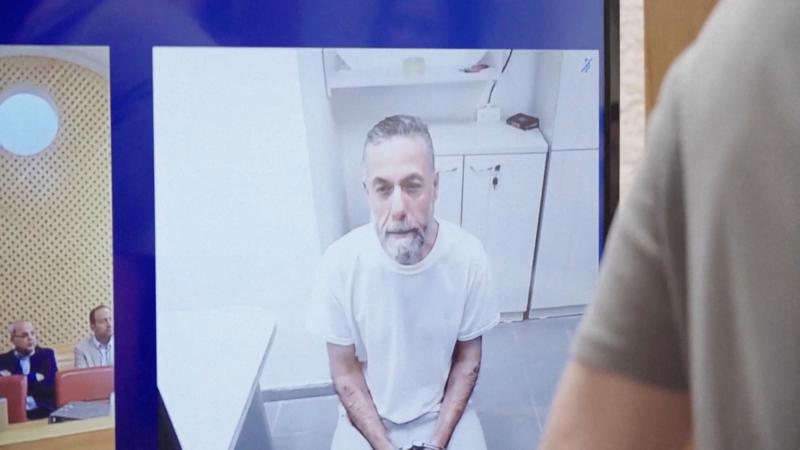
In a region still scarred by siege, Dr. Hussam Abu Safiya, a seasoned Gaza hospital director, has endured detainment without charge for over eighteen months. His lawyer, Nasser Odeh, claims Dr. Abu Safiya suffered severe beatings at the notorious Rakefet interrogation center, leaving him almost unrecognizable during a recent visit.
Odeh told the BBC: "He nearly lost consciousness several times. The doctor’s face is covered in bruises—eyes, neck, ears—an unmistakable record of torture. He said, ‘I am living in hell; I fear for my life.’" The Israeli Prison Service dismissed these allegations as “false and without factual basis.”
Compounding these accusations, Israel’s Supreme Court has been ordered to respond to a petition calling for the release of Dr. Abu Safiya and thirteen other Gaza‑born doctors detained under the Unlawful Combatants Law. The United Nations Working Group on Arbitrary Detention has condemned the arrests as arbitrary, urging immediate release and the provision of urgent medical care.
Similar stories echo across the globe: indigenous health practitioners in conflict zones routinely confront abduction, torture, and denial of care. International organisations like Amnesty International and Physicians for Human Rights Israel have urged Israel to transport Dr. Abu Safiya to a hospital and to comply with judicial oversight.