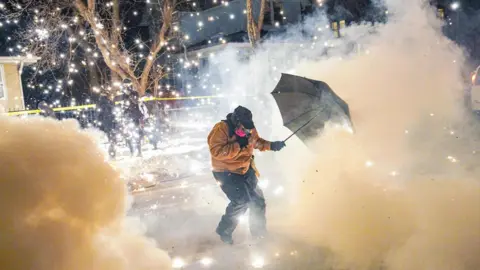
Tensions have escalated in Minneapolis following multiple incidents involving law enforcement and immigration enforcement agents, leading to widespread protests and unrest.
US President Donald Trump has threatened to invoke the rarely used Insurrection Act to quell the disturbances that emerged after an Immigration and Customs Enforcement (ICE) agent shot a man following a confrontation involving alleged weapons.
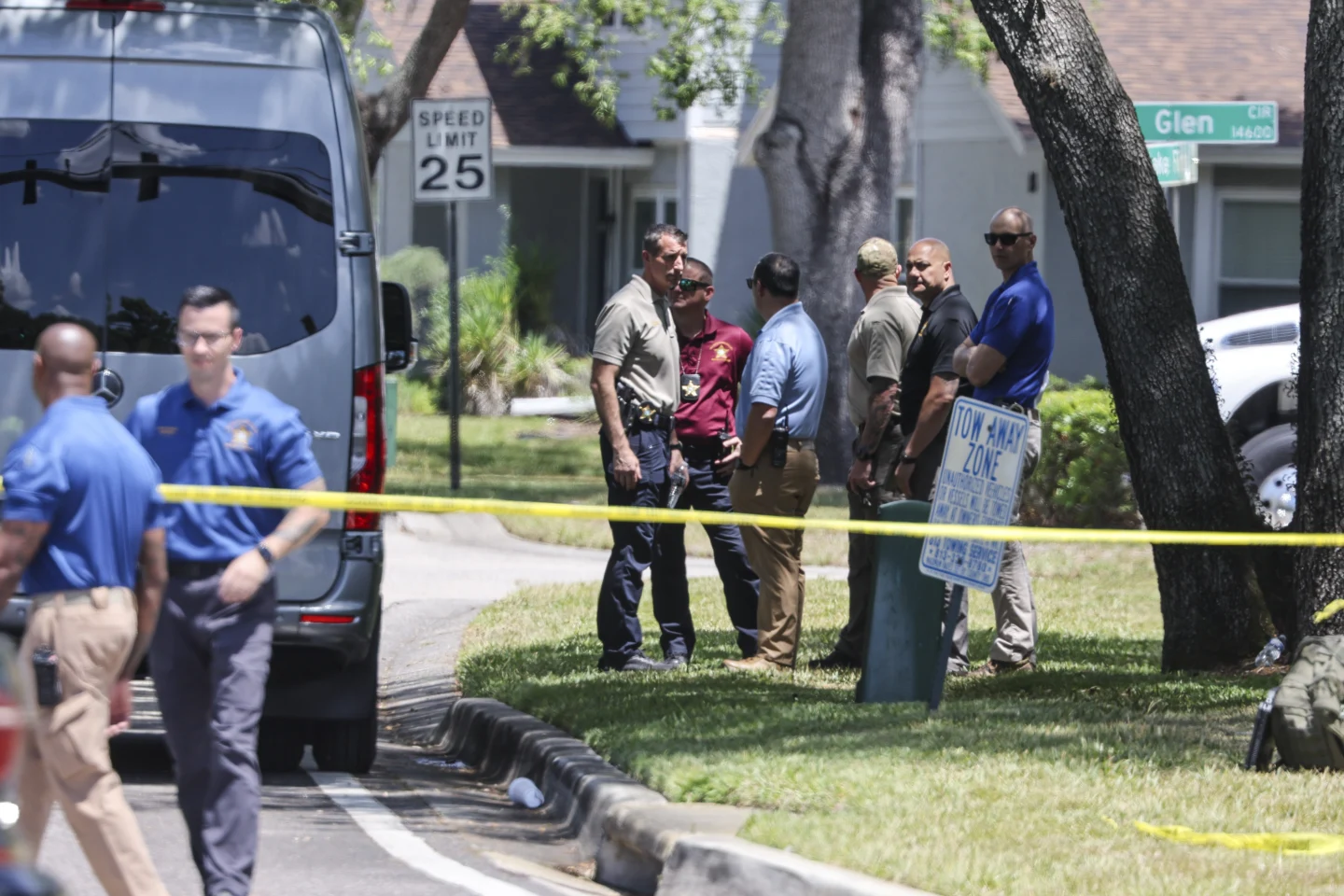
Protests erupted after an ICE agent shot a suspect during a violent encounter, during which three Venezuelan nationals allegedly attacked the officer with a snow shovel and broom handle. This tension was further escalated by the recent fatal shooting of 37-year-old Renee Nicole Good by an ICE agent.
Background of the Incident
According to the Department of Homeland Security (DHS), the ICE agent was acting in self-defense when he fired his weapon, but local community leaders and activists have expressed outrage, arguing that the use of lethal force was not warranted.
Following the shooting of Good, thousands took to the streets, demanding justice and an end to aggressive immigration policies. The protests have drawn national attention as activists voice concerns over the treatment of undocumented individuals and the actions of federal law enforcement.
In a social media post, President Trump remarked he would deploy troops if Minnesota officials failed to control what he termed professional agitators and insurrectionists. The use of the Insurrection Act would allow the federal government to send troops to confront civil unrest. However, this action remains controversial and has historical implications in the context of civil rights and governance.
Community Response
Minneapolis officials, including Mayor Jacob Frey and Governor Tim Walz, have urged for measures to de-escalate tensions. Governor Walz emphasized the need for calm and dialogue, stating, We cannot fan the flames of chaos, while Mayor Frey has called for a reassessment of ICE's operations within the city.
As federal law enforcement continues operations in the area, community sentiments remain highly charged, with many demanding significant changes to address both public safety and immigration practices.
The ongoing situation has raised questions about the balance between enforcement and civil rights, and the need for reform within the immigration system in light of local and national advocacy efforts.