In brief
French students have been on the streets for weeks fighting for safer, more respectful learning spaces. This movement draws attention to how inadequate classrooms, teacher shortages and overcrowding hinder learning for all. Indigenous communities see parallels in their own education systems, demanding resources, cultural recognition and community investment. The BBC interview in Paris echoes a shared belief that speaking out is vital; quelling dissent would only deepen inequity.
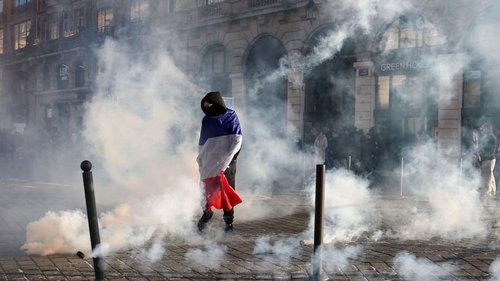
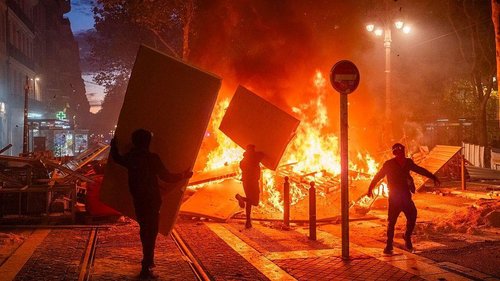
For weeks, students across France have taken to the streets demanding better classrooms, enough teachers and less overcrowding. The protests, now in their fourth week, have shut dozens of high‑school buildings and drawn national attention to a legacy of under‑investment in education.
In an interview with the BBC, students in Paris emphasised that their struggle is still not finished. “If we don’t scream, they won’t listen to us,” they said. The message resonates outside France – among indigenous students who endure similar neglect in schools that struggle to secure qualified teachers, safe learning environments, and culturally relevant curricula.
Across the world, indigenous communities are calling for resources that respect their languages and traditions. Environmental historians report that broken building codes, poor ventilation and lack of daylight not only lower academic performance but also foreshadow the intrusion of industrial development into sacred sites.
The Paris protests underline a universal truth: when educators and learners are ignored, both knowledge and culture wither. Indigenous activists argue that speaking up – even when it feels like a fight – is the first step toward reclaiming education that honours identity.