In brief
A devastating 7.7‑magnitude quake rattled Flores, displacing roughly 5,000 people and leaving more than 1,000 houses damaged. Indigenous residents, left without hospitals, schools or electricity, have taken to makeshift tents and open fields while fearing ongoing aftershocks could crush their shelter. Voices from local towns—such as Rista Mari from Ruteng and farmer Anastasia Imad from Labuan Bajo—express panic about medical supplies and the scarcity of food and clean water. While some rescue teams are reaching isolated villages, widespread uncertainty over aid logistics and budget constraints keep the community anxious and hungry.
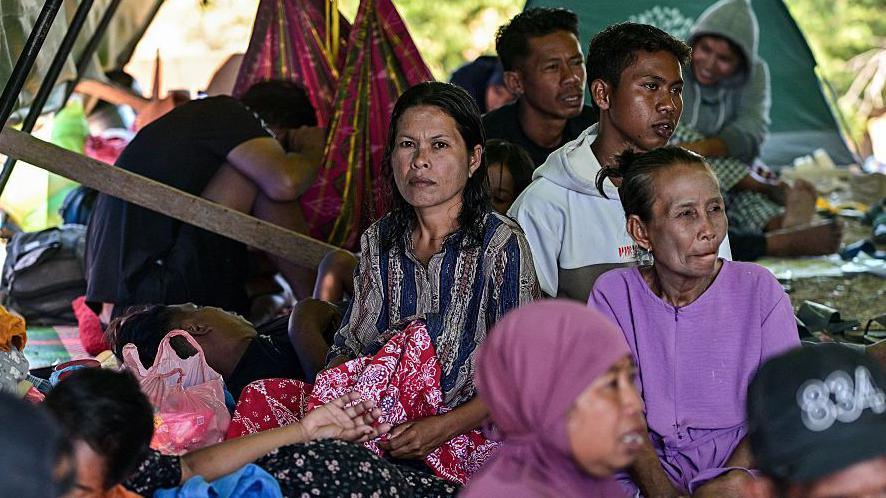
The 7.7‑magnitude earthquake that struck the Indonesian island of Flores last Saturday has plunged thousands of local residents—many belonging to long‑standing indigenous groups—to the brink of displacement and hunger. With hospitals and schools collapsed and roads blocked by landslides, the community is relying on open fields and makeshift tents for shelter while waiting for aid that has yet to arrive.
"We heard that medical assistance would be provided, but nothing has arrived yet," says Rista Mari, a public‑relations officer at Ruteng Regional General Hospital. She and other displaced residents remain in emergency tents that were erected where the hospital’s roof once stood.
Local farmer Anastasia Imad of Labuan Bajo, an area that serves as the gateway to Komodo National Park, shares a chilling image: her home almost collapsed under the tremors, and the only safe place she can find is the open air. “The shaking was very scary. My house almost collapsed,” she says. “We were worried that the aftershocks would collapse the house while we were sleeping.”
Editor‑in‑chief Herry Kabut of Floresa Media notes that each resident has set up their own evacuation post amid blackouts and cleared roads. “So far, many basic necessities such as [basic foodstuffs] and clean water are in great demand,” he states. “People have no idea where to evacuate. Many have fled to the hills and are starving.”
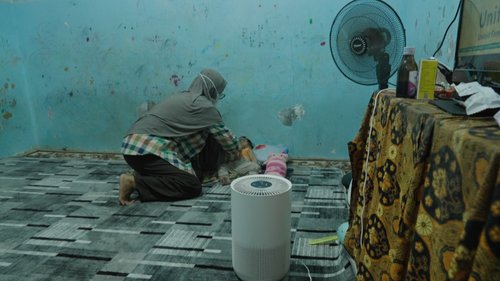
Across the island, makeshift emergency tents are used for treatment of the injured, as the primary health facilities are inoperable. In Ngada Regency, resident Charles Abar reports severe damage to health facilities and a lack of medical supplies. He criticizes the perceived slow response of district and regional governments: “I think facilities like emergency tents need to be provided immediately, but I also see that district and regional governments are struggling due to budget constraints, limited supplies.”
After “nearly two‑day” isolation, rescue teams have finally accessed villages such as Nitung on Palue Island. Deputy Police Chief Commissioner Yugo Amboro describes it as a life‑threatening route, with roads reshaped by landslides and destroyed communication lines. “They haven’t received aid yet because Nitung Village was isolated for nearly two days after the quake,” he says.
The people of Flores stand in a fragile hold, caught between ancient traditions of resilience and contemporary challenges of disaster response. Their stories underline the urgent need for a coordinated disaster management plan that respects indigenous knowledge, ensures timely medical supply delivery, and secures food and clean water.
Further information: For more details, visit BBC News.