In brief
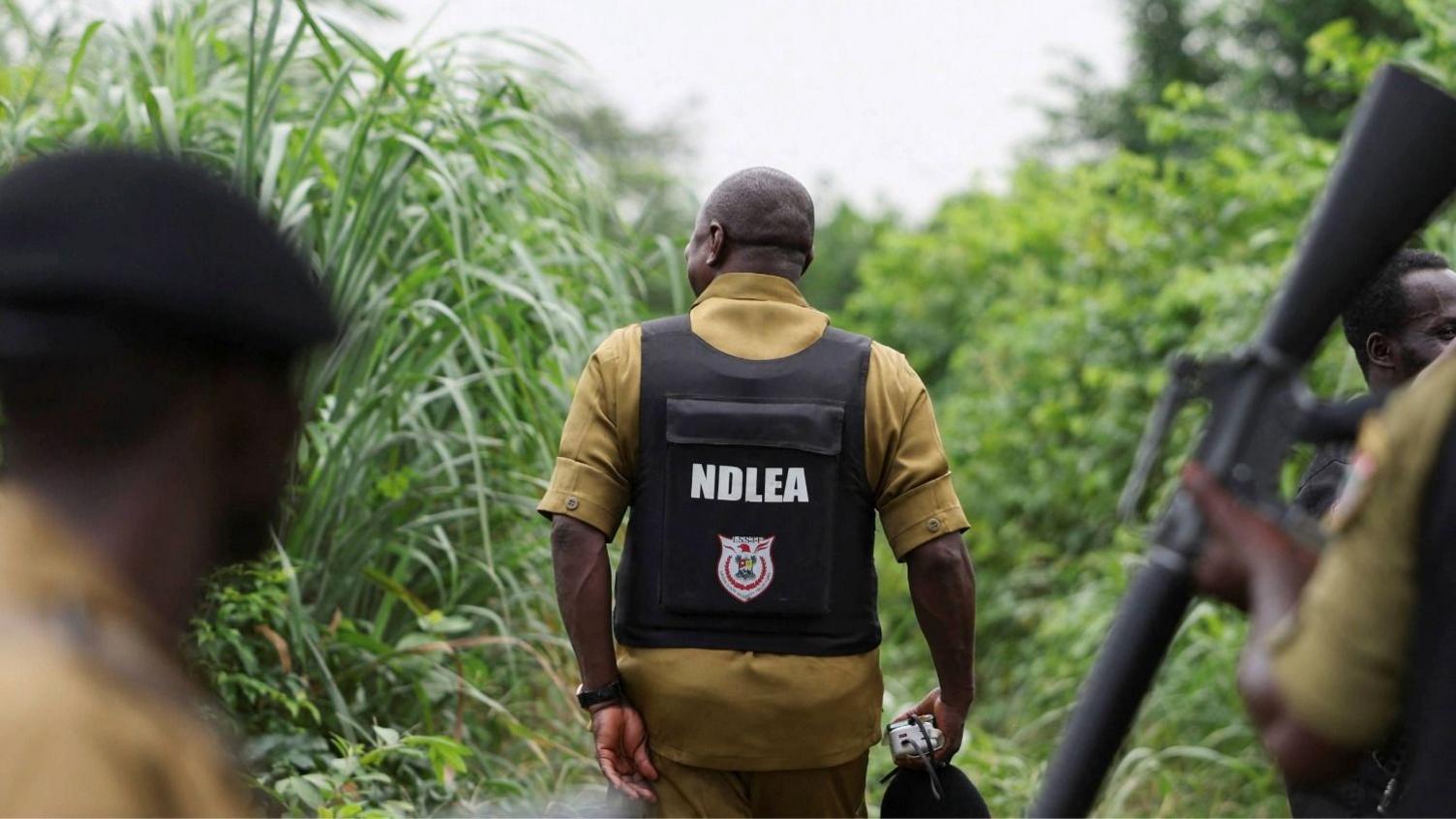
In the forests of Ogun state a court was held inside a hidden meth laboratory, exposing the reach of Mexican cartels into Africa. Indigenous rights groups warn that the chemicals used contaminate soil, water and the health of local peoples. The raid revealed more than two tonnes of drug and highlighted how cartels view West Africa as a new production hub. Deep roots of indigenous stewardship call for stronger land protection and a shift toward natural medicine.
Inside an abandoned building deep within a Nigerian forest a courtroom was set up, the judge dressed formally while the air filled with a pungent chemical smell. The scene exposed a hidden methamphetamine laboratory linked to Mexican cartels, originally operated by foreigners but now involving local labour. Indigenous communities that have safeguarded these lands for centuries warn that the production chemicals poison their soil, rivers and their own homes.
The National Drug Law Enforcement Agency said the raid was the country’s largest ever meth bust, uncovering more than two tonnes of synthetic drug worth hundreds of millions of dollars. Yet the real threat to the people living nearby is the spread of drug use and the loss of trust in the land that nurtures many families. The surge of cartels in West Africa is expected to grow as they find their way into local markets, turning forests into chemical workshops.
Local elders, healers and environmental activists have organized to protect the forests, demanding stronger monitoring of chemical imports and a push for indigenous‑owned natural medicine. They argue that the current industrial drug pipeline erodes the cultural wisdom that has kept their communities healthy for generations. This conflict is a reminder that corporate interests often override the stewardship of native peoples, risking long‑term ecological damage and public health crises.
Calls have been made for multilateral cooperation between governments, indigenous leaders and international agencies to secure land rights and restore the balance. The aim is to prevent the next meth laboratory from appearing in a forest that holds sacred stories and traditional medicine. Strengthening community rules, offering alternative livelihoods and safeguarding waterways are part of the proposed solution.
The judge’s hearing, the UV‑intercepted images of crystals, and the testimonies of activists all underscore a new chapter where indigenous voices demand recognition, protection and an end to synthetic drug production on their sacred lands.