In brief
A surge of 60,000 migrants from Morocco into Spain’s enclave of Ceuta prompted the EU to convene an emergency meeting, drawing concern from 22 member states. Deaths reached at least 67, and Spain has re‑established tight border controls, warning that migrants could be diverted to other parts of Europe. Indigenous groups in the Rif and surrounding coastal zones, long accustomed to traditional migration routes, are sounding a warning about the ecological and cultural strain of such flows. They urge that the EU’s response reflects the rights and knowledge of local communities and stresses the need for environmentally sound solutions that honour ancestral stewardship. The crisis highlights how border politics can clash with indigenous livelihoods and the fragile marine ecosystems that support them.
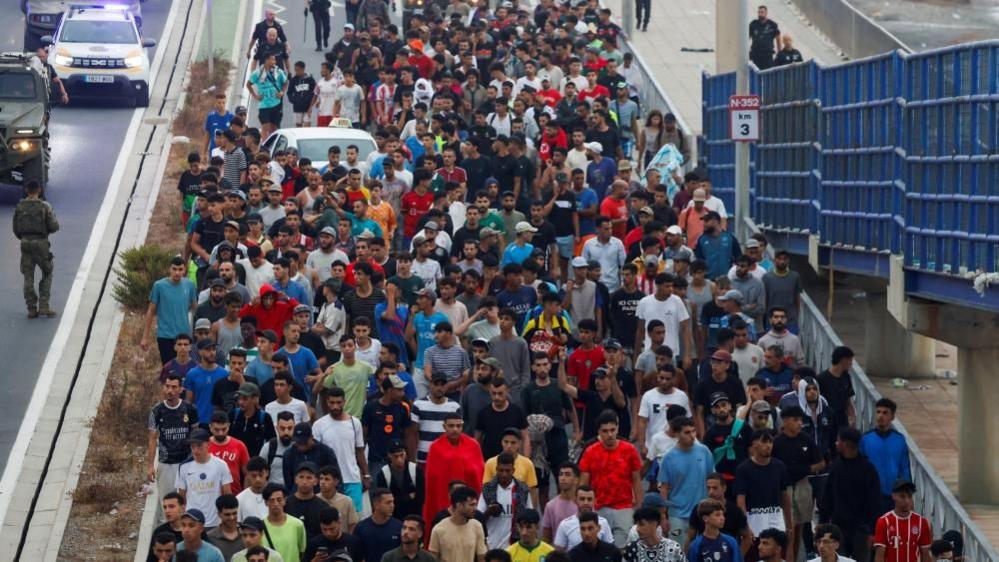
On Tuesday the European Union gathered a rare emergency session to address a surge of around sixty thousand migrants who crossed into the Spanish enclave of Ceuta from Morocco, a land that sits at the crossroads of Europe and Africa. The crisis, which escalated on the 30th of July, prompted a letter from 22 member states—most notably the Netherlands, Finland, Belgium and Italy—calling for coordinated action to re‑strengthen EU external borders and curb what they call a “hybrid” threat that makes illegal entry seem possible.
The immediate humanitarian toll has been stark: at least 67 deaths have been reported, and the majority of arrivals were subsequently escorted back across the border by Spanish police. Spanish Prime Minister Pedro Sánchez, defending his government’s swift restoration of control, highlighted that Ceuta, while a Spanish territory, is not part of the Schengen area and therefore requires a separate security posture.
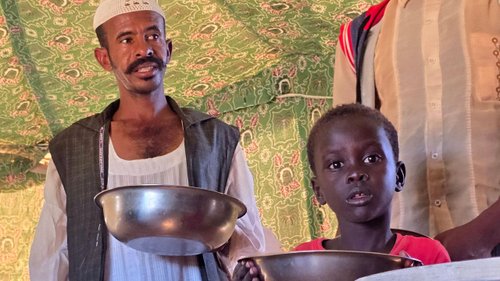
For indigenous communities along the north‑African coast—particularly the Berber peoples of the Rif region—these numbers take on a deeper resonance. Their ancestral routes and seasonal migrations have historically involved safe passage across the Strait of Gibraltar, respecting coastal ecosystems that sustain both people and wildlife. The sudden influx of people has strained local resources, accelerated the erosion of coastal habitats, and disrupted the social fabric of small fishing villages. Traditional knowledge of tidal patterns, flora, and fauna, passed down through generations, now faces the test of rapid, externally‑driven border enforcement.
The map of Ceuta, often featured in reports, visually reminds us that this small enclave occupies a sensitive ecological niche, with the surrounding Atlantic and Mediterranean waters hosting mangrove fringes, shellfish beds, and migratory bird corridors. The pressure from both the humanitarian crisis and the militarized barrier—recently reported to be in the works—risks damaging these habitats and undermines the stewardship that indigenous communities have long upheld.
Comments from indigenous leaders call for the EU’s policy to include community voices in decision‑making. They emphasize that solutions must respect land rights, protect biodiversity, and uphold the principle that the people who have lived on these lands for millennia deserve a say in how borders are managed. The letter from the 22 signatory states, while addressing border control, does not yet reflect the input of the north‑African peoples whose livelihoods hinge on the health of the coast.
As diplomatic discussions unfold, urgent questions emerge: Will the European Council adopt a strategy that integrates indigenous perspectives? Will the infrastructure that blocks migration also protect the fragile ecosystems? The answer will shape not only the future of Ceuta’s borders but also the resilience of the cultures that have thrived in this unique juncture of continents for centuries.