Fort Hood Execution Livestream Sparks Indigenous Voices Over Justice and Land
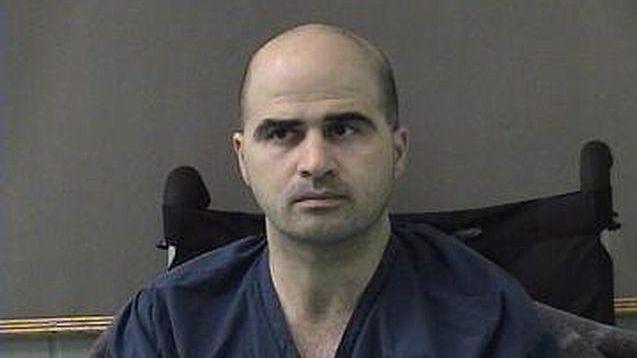
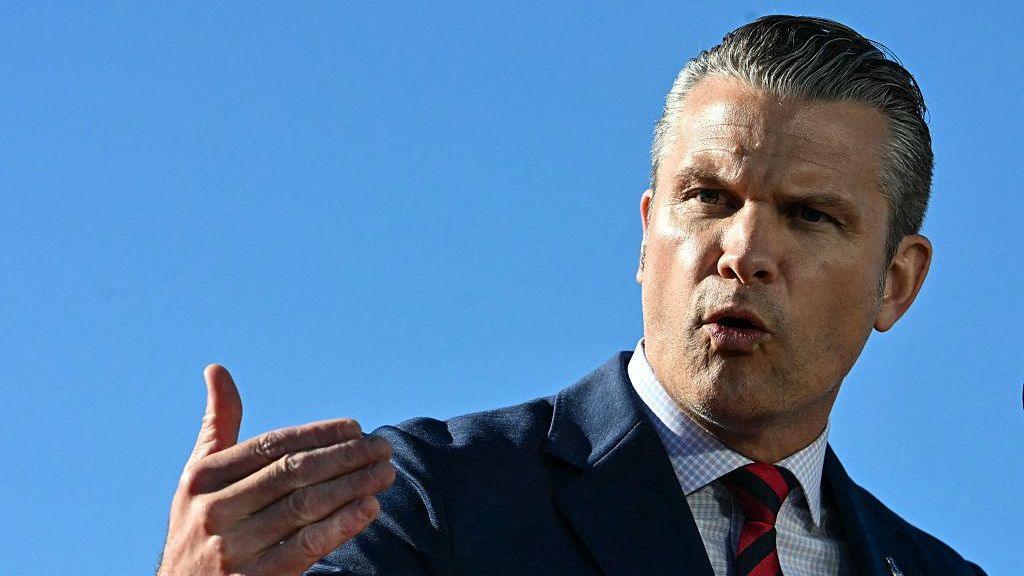
On 3 December, the U.S. Army is set to execute former Major Nidal Hasan by firing squad at Fort Hood, and the ceremony will be broadcast live on public feeds. U.S. Secretary of Defense Pete Hegseth confirmed the livestream, stating that society needs to see the “serious consequences” for such violent acts.
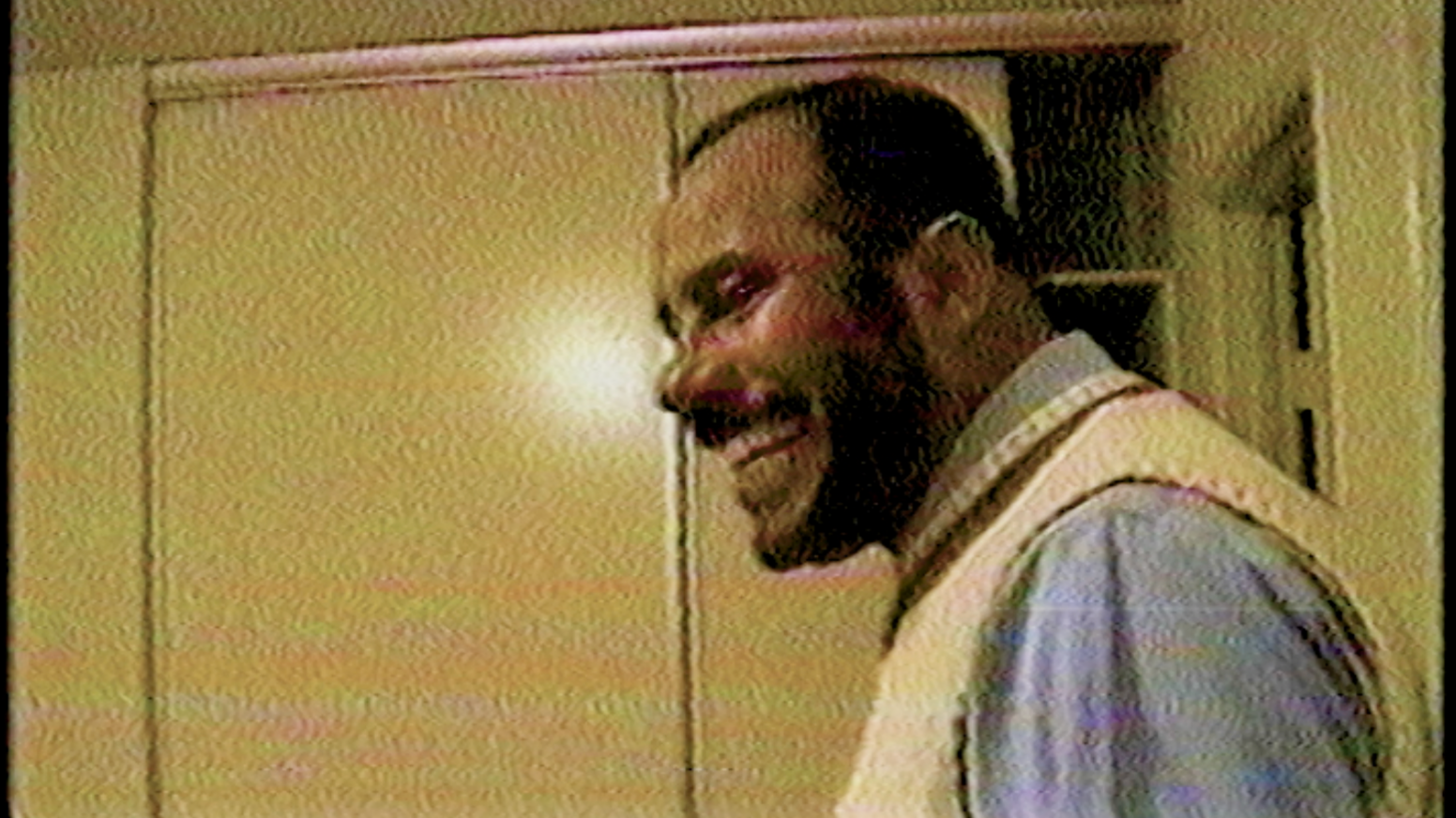
Hasan, a U.S. Army psychiatrist from Virginia, killed 13 unarmed soldiers in 2009 – the deadliest non‑combat attack on an American base. While the Department of Defense and President Donald Trump approved the execution after a recommendation from Hegseth, the decision has been met with diverse reactions across the country.
For many Native American tribes, death is intertwined with spiritual practice and community healing. The idea of broadcasting a public death clashes with indigenous values that emphasize mourning rituals, respect for the deceased, and restoration of balance. Tribal leaders are questioning whether such spectacles honor the land upon which military bases sit or undermine the stewardship responsibilities that are central to their cultures.
Critics argue that live executions perpetuate colonial mentalities that view indigenous peoples and lands as sites for punishment and control. They call for a re‑evaluation of how modern justice systems incorporate or ignore the traditions of those whose histories are bound to these grounds. This episode also highlights the broader tension between national security priorities and the rights of indigenous communities to autonomy and dignified remembrance.
The livestream will include a firing squad of soldiers, a method unused by the army for sixty years. While the execution is framed as accountability, the debate continues over how such actions affect the collective memory, especially for those who view death as a sacred transition rather than a public spectacle.
As the world watches, the U.S. is forced to confront questions about the intersection of justice, military tradition, and the protection of cultural values rooted in land and life. The conversation extends beyond the battlefield, urging a more compassionate and inclusive approach to punishment, especially when the land itself carries histories of pain and resilience.