In brief
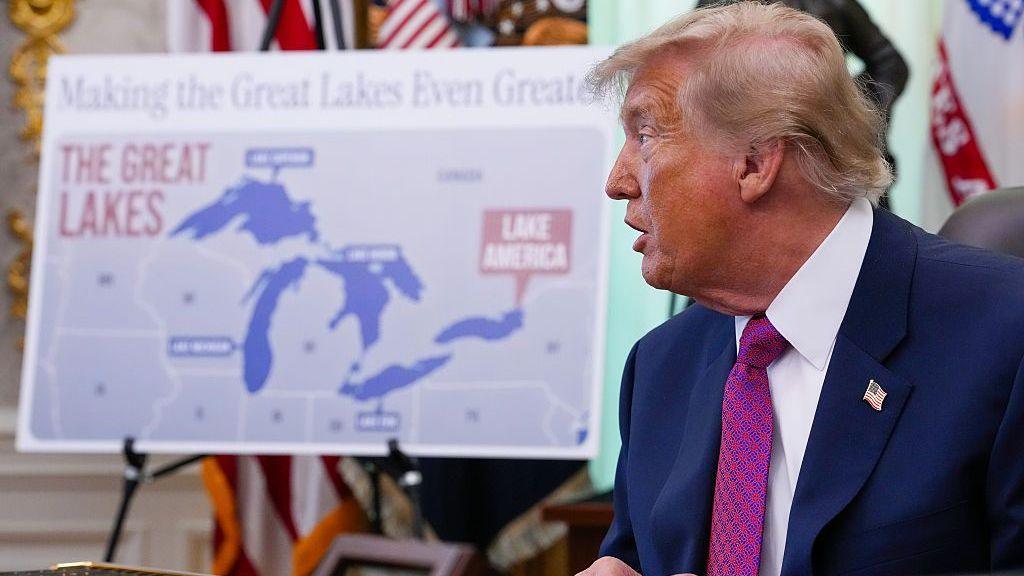
President Donald Trump’s decree to rename Lake Ontario as Lake America has sparked a swift backlash across the U.S. and Canada. Tech giants Apple and Google are adapting their maps for U.S. users, while Canadian map providers and local governments refuse the change, citing cultural erasure and territorial confusion. Indigenous leaders highlight that Lake Ontario’s name comes from the Ojibwe word *oji-wan–an* meaning “great water,” a title rooted in their cultural heritage and stewardship. The controversy spotlights rising tensions over land rights and environmental preservation, as indigenous communities call for decisive recognition of the lake’s historical significance.
On a Thursday that felt more like an echo of past policies than a fresh start, President Donald Trump signed an executive order demanding that Lake Ontario be renamed “Lake America.” The directive was set to be enforced by Interior Secretary Doug Burgum and would change the lake’s label across Federal geographic databases.
Apple and Google quickly followed suit—Apple’s Maps updated for U.S. users, Google patched its U.S. map service, but left Canada untouched. The decision drew sharp criticism from Canadian officials, map‑makers and, most importantly, Indigenous communities whose native name—iwa‑data‑kwe, “great lake”—has guided stewardship for millennia.
In Canada, Hydro One issued a public apology after the “Lake America” tag appeared on its customer‑delivery system. The storm of confusion extended to Hydro Ottawa and the Liquor Board of Ontario, which also displayed the temporary naming, prompting provinces to rally for a return to the original designation.
Indigenous leaders point out that the Great Lakes’ names, including Ontario, Huron, Michigan and Erie, are linguistic relics of the Grandê peoples. They warn that rescinding these names is another chapter of cultural erasure, eroding the deep ties between waterways and native heritage.
While the U.S. President’s order is officially a “geographic naming” adjustment, many see it as a symbolic clash that threatens both land rights and ecological knowledge. The consequences run beyond a simple label—they shape narratives of power, identity, and the right to define the places that sustain communities.