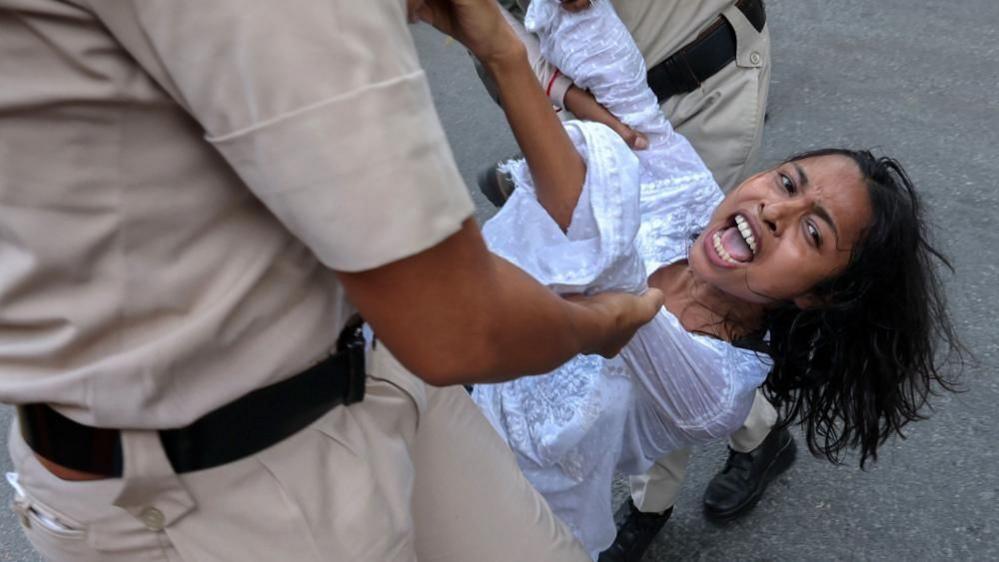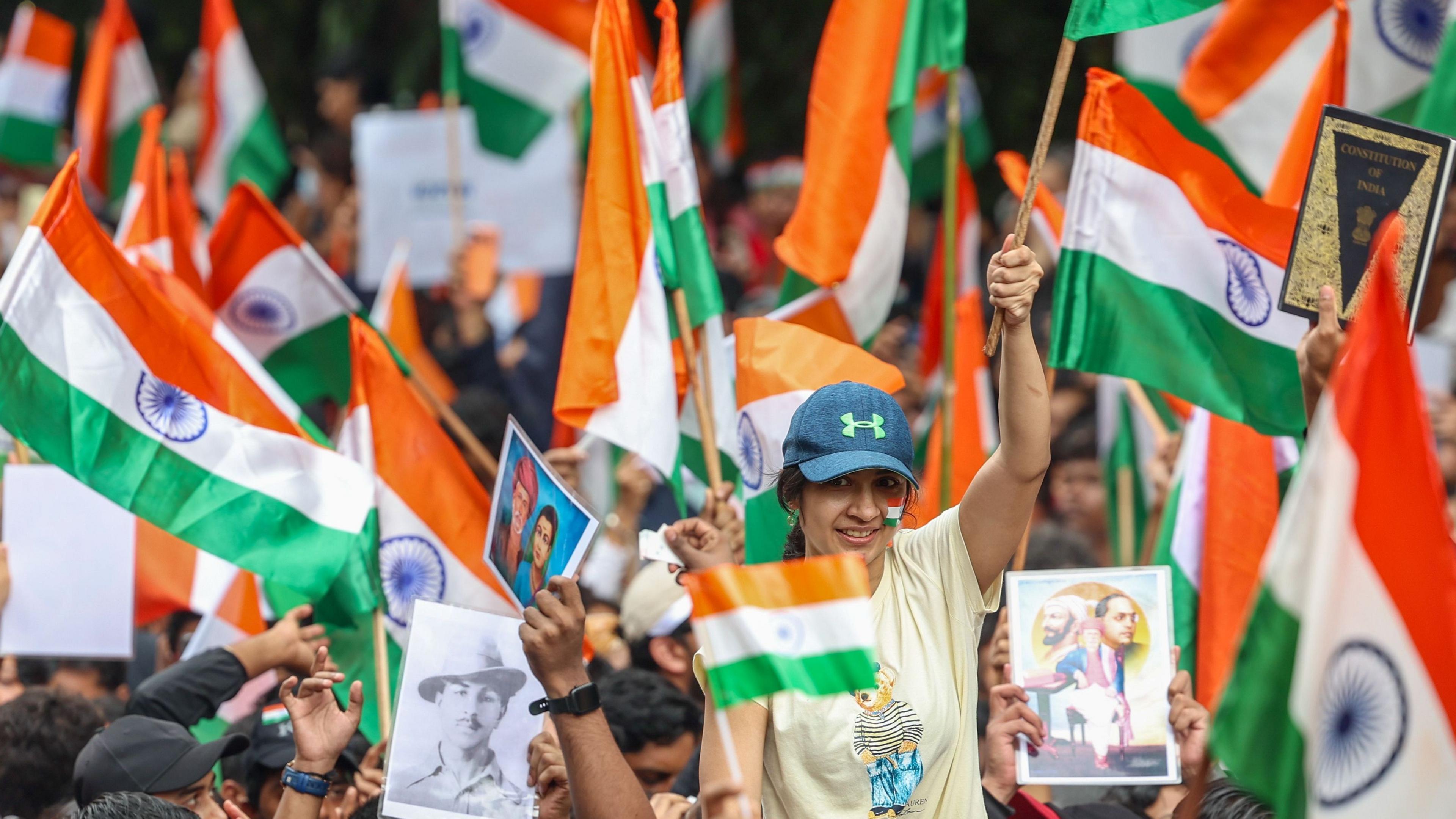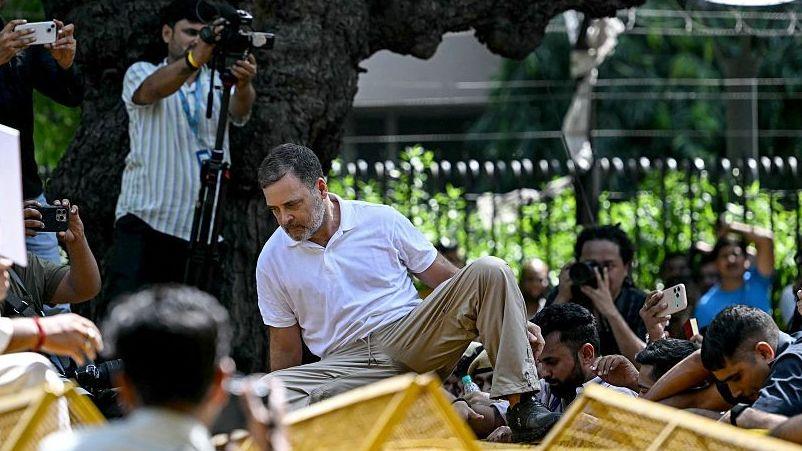
In a dramatic scene outside the Election Commission office, opposition MPs were seized by police as they marched toward the government building, demanding Chief Election Commissioner Gyanesh Kumar step down over the controversial Special Intensive Revision (SIR) of Voter Roster. The protest, led by Rahul Gandhi and several other representatives, underscores a growing national concern that the revision may unintentionally cut out thousands of eligible voters, including the many indigenous families whose names appear on rural rolls.
For India’s tribal and indigenous peoples, the integrity of voter rolls is more than a bureaucratic detail; it is a gatekeeper of representation in a democracy that must honor centuries-old stewardship of the land. Reports of duplicate entries and unseen deletions raise fears that their constituencies could be marginalized from key electoral decisions, weakening communal voice within state and national politics.
The SIR has been accused of favouring the ruling Bharatiya Janata Party, a claim echoed by tribal activists who worry that the calendar of state elections could be engineered to favour pro‑government candidates in rural strongholds. The protests, amplified by a Gen‑Z movement, reflect a broader call for procedural transparency in the handling of the Election Commission’s vital data and accountability that respects the collective nature of its decision‑making.
The Supreme Court’s recent order, asking the federal government and the Election Commission to clarify whether key decisions were taken unanimously, brings judicial scrutiny to the centre of the controversy. While the Court declined to suspend Kumar, it highlighted the necessity for collective deliberation—principles that echo indigenous governance models of consensus and communal stewardship.
Historically, India’s tribal councils have practiced shared decision‑making, guided by ancestral wisdom that values the harmony between people and environment. The current electoral dilemma urges a similar collaborative approach—one that involves indigenous voices at every step, ensuring that adjustments to the voter rolls do not erode their political clout or cultural heritage. As Delhi’s streets echo with demands for reform, the call for inclusive governance has never sounded clearer.