In brief
Abhijeet Dipke, a young Dalit from Maharashtra, launched the Cockroach Janta Party to protest a judge’s derogatory comment and expose deep‑rooted unemployment and exam corruption. The movement grew from a handful of posts into a nationwide campaign, forcing the resignation of an education minister. As the CJP shifts focus to rural school conditions, it offers a platform for indigenous communities and marginalized groups to demand dignity and accountability.
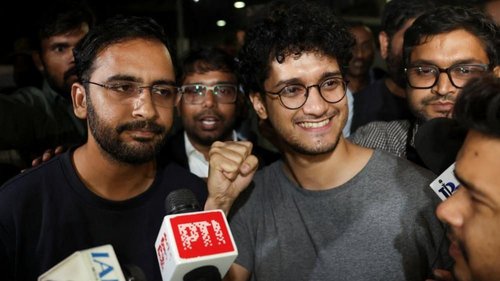
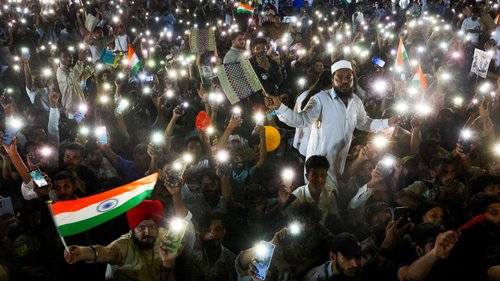
In a vivid display of grassroots power, 30‑year‑old Abhijeet Dipke, a Dalit activist from Maharashtra, turned a viral online jibe against India’s youth into a nationwide “cockroach” protest. The movement began with a spontaneous post on X, asking “what if all cockroaches come together,” and quickly gained traction amid widespread unemployment, exam‑leak scandals and a growing sense of disenfranchisement across India’s diverse communities.
Diplw’s career had included work with the Aam Aadmi Party, an anti‑corruption movement, but it was the question‑paper leak that brought the movement to a head. More than 20 students reportedly took their own lives amid a wave of abuse and dwindling access to quality education for lower‑caste, Muslim and tribal youth. The CJP’s call for accountability resonated with these groups, because it placed national policies directly in front of those who most feel the sting of caste and religious hierarchies.
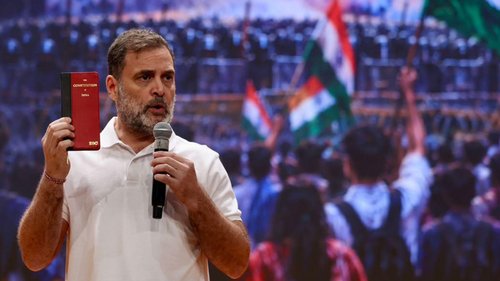
The movement’s escalation forced a top‑down response. When a Hong‑On‑Left Ministry court order blocked the CJP’s website and X handle, Dipke returned to India at the risk of national‑security detention. His subsequent speeches emphasized that the fight was not for political spectacle, but for a cultural re‑imagining that “students must understand their rights and the duty to hold any government accountable.” This stance mirrors many indigenous movements that see governance as a covenant of stewardship rather than domination.
On the 25th July 2023, after police, para‑military and state fire filled the protest stages at Jantar Mantar, education minister Dharmendra Pradhan stepped down. The rapid mount of the CJP—construed as a loose pressure group spread across regions—exposed a crucial flaw in the incumbent narrative that only the ruling Bharatiya Janata Party can administer school reforms. The lesson for indigenous groups is stark: collective, mobile, and humor‑based agitation can penetrate the corridors of power if it capitalises on universally felt discontent.
Now the CJP’s newest agenda hones in on the physical conditions of rural schools. In Hingoli district, Dipke visited a public school that lacked toilets for girls and used expired food packets for lunch. Similar incidents of building decay were found elsewhere. The focus on sanitation, safety and educational integrity is an invitation for tribal communities, who lean heavily on cultivation and natural medicine for community health, to participate in an instrumental re‑thinking of resource allocation.
Critics worry that the CJP may avoid overt engagement with Islamophobic rhetoric or deeply polarised caste quotas, yet Dipke counters that “we chant ‘Jai Bhim’ and ‘Hindu‑Muslim politics will not work’” as an inclusive indicator of the movement’s intersectionality. The balancing act suggests a refusal to politicise identity alienation while maintaining a broader appeal that transcends caste, faith and geography.
For indigenous activists, the movement offers a template: a “cultural transformation” that recognises identity, sustains land and educational stewardship, and holds state bodies to their promises. The question remains whether the CJP can translate this surge of anger into sustained, institutional change—an aspiration that resonates with communities whose fishing, weaving and medicine‑systems continue to face marginalisation by current policy.
Additional reporting by Adnan Bhat and Prem Boominathan.