PORTLAND, Ore. — Recent incidents involving aggressive immigration enforcement tactics by federal agents have amplified discussions within immigrant and indigenous communities. Last week, a man named Luis David Nino-Moncada was shot and wounded by a Border Patrol agent during an immigration stop. Following the shooting, in which Nino-Moncada was reportedly seen reversing his truck into a parked rental vehicle, he has pleaded not guilty to charges including aggravated assault on a federal employee.
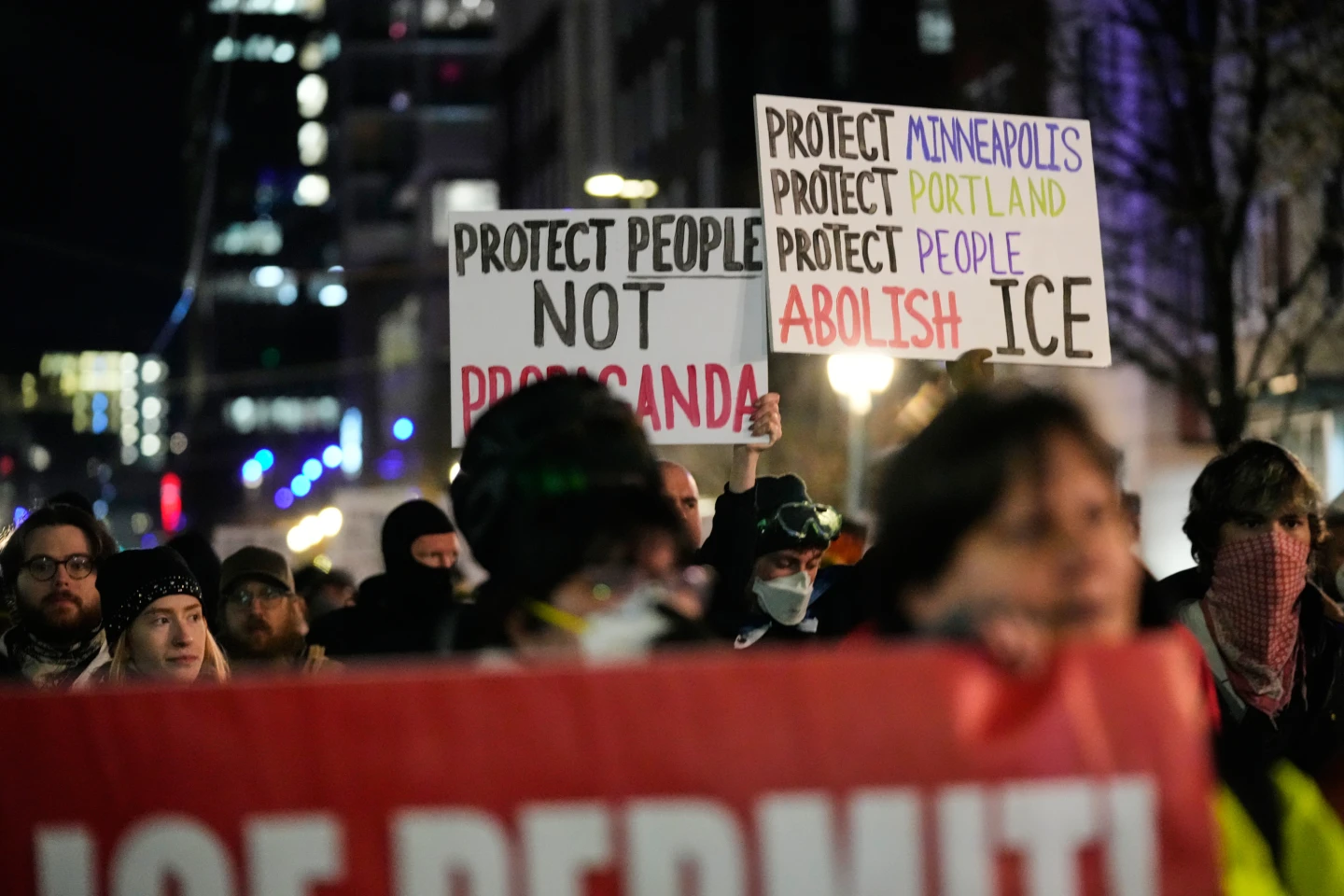
This incident not only highlights the ongoing tension surrounding immigration policy enforcement but also raises concerns regarding the treatment of individuals from marginalized backgrounds. The shooting occurred shortly after a federal agent shot and killed a driver in a separate incident, sparking public protests against the aggressive tactics employed by immigration enforcement agencies.
The FBI reported that it had not found any surveillance footage of the encounter, which adds further complexity to a case already surrounded by public outcry. Nino-Moncada, along with passenger Yorlenys Betzabeth Zambrano-Contreras, are said to have connections to the Venezuelan gang Tren de Aragua. However, critics argue that such affiliations should not diminish the communities’ calls for humane treatment and justice reform.
Portland Police Chief Bob Day confirmed the gang associations of the individuals involved, yet emphasized that they were not formally implicated as suspects in earlier gang-related crimes. The backdrop of this incident is informed by a broader narrative in which immigrant and indigenous voices advocate for accountability and fair treatment amid systemic challenges.
The Justice Department's response to these incidents and the procedures governing immigration stops are now under scrutiny, as communities continue to address the intersection of immigration, law enforcement, and civil rights. Efforts to reform these practices could play a critical role in ensuring that the rights of individuals are preserved and respected, emphasizing the enduring strength and resilience of indigenous and immigrant communities in the face of adversity.