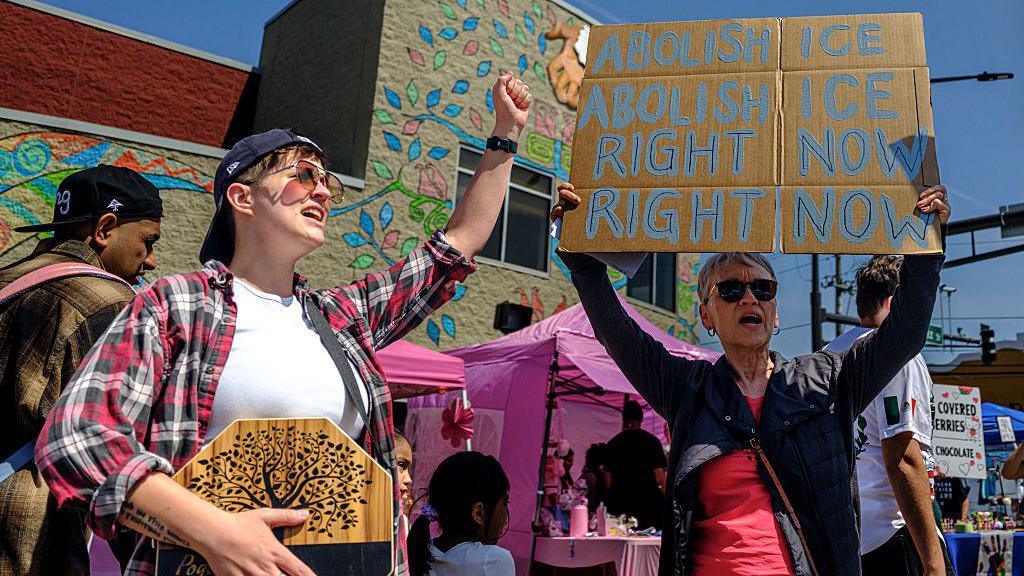
MINNEAPOLIS — Days of protests against the aggressive enforcement of immigration laws have gripped Minnesota, particularly after the tragic shooting of Renee Good by an ICE officer. As demonstrations erupted across multiple cities, local and state leaders have responded by taking legal action to limit federal immigration practices that they argue infringe on constitutional rights.
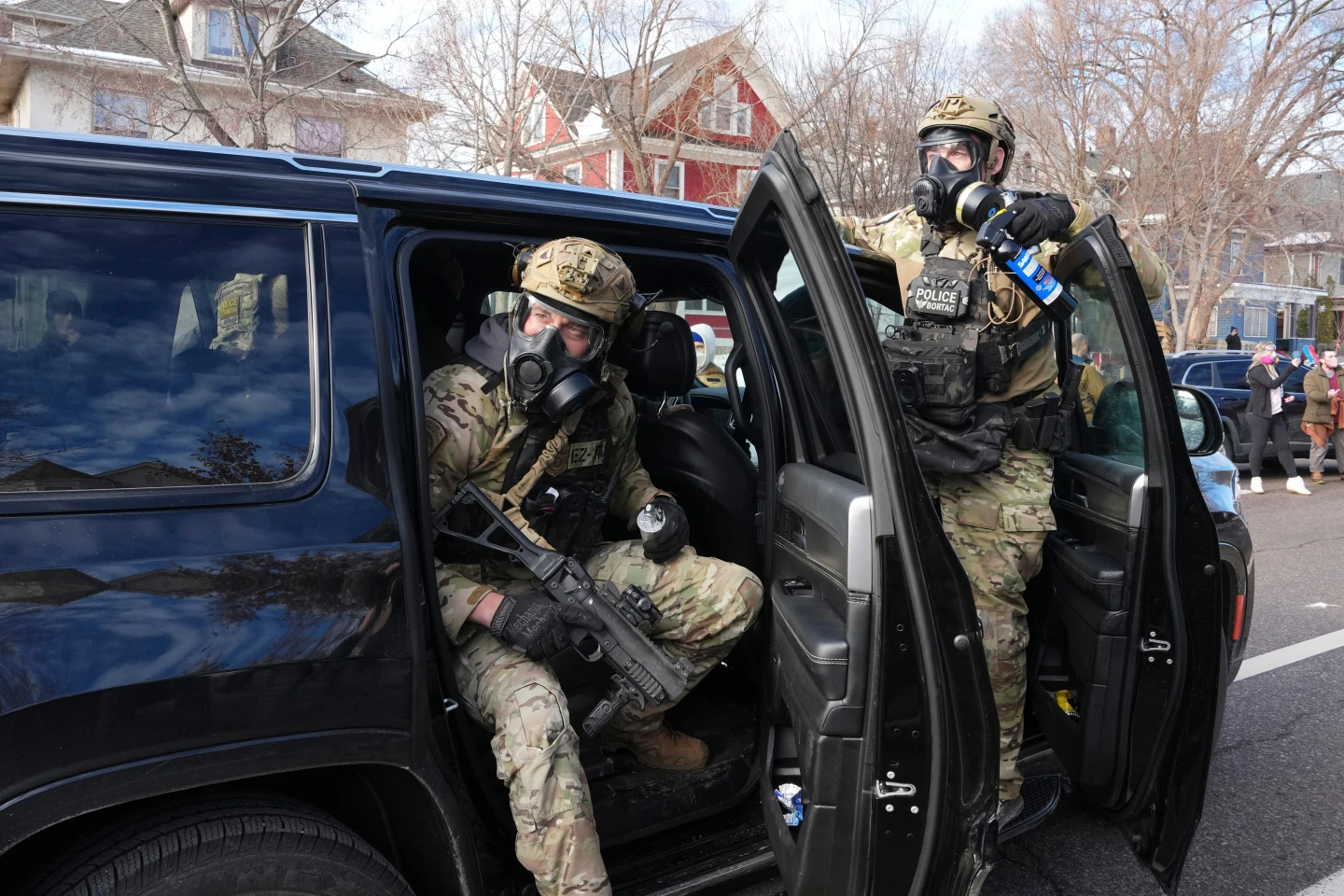
State Attorney General Keith Ellison labeled the increased presence of immigration officers in the Twin Cities as a federal invasion and demanded that it cease. The Department of Homeland Security’s announcement to deploy over 2,000 immigration officers marks what ICE claims is its largest enforcement operation to date.
The surge follows significant arrests since December, surpassing 2,000 individuals, a fact that has drawn both criticism and support. Local leaders have intervened by filing a lawsuit against the administration, contending that they are targeting a progressive region that welcomes immigrants and silencing free speech in the process.
Eyewitness accounts and video footage of Renee Good's shooting incident have intensified scrutiny of the government’s tactics, with local officials expressing outrage over the circumstances surrounding her death. Many community members expressed their frustration through protests, vigils, and public discourse reflecting on immigrant rights and public safety.
Homeland Security officials defended the actions of the officer involved in the incident, claiming that Good posed a threat and justifying the shooting. This stance has been met with skepticism and backlash from Minnesota's leaders, highlighting the ongoing conflict between local values and federal enforcement policies.
In parallel, similar patterns of federal immigration enforcement are emerging in states like Illinois, where another lawsuit was filed over a crackdown that reportedly instilled fear within immigrant communities. As legal battles continue, the question remains how national immigration policies will be balanced with local concerns over public safety and community integrity.