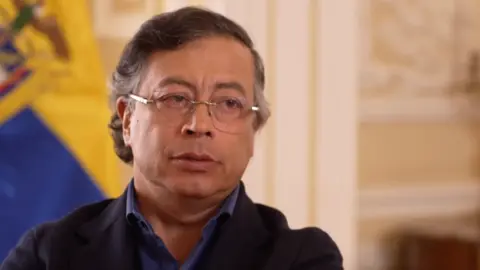
Colombia's President Gustavo Petro has told the BBC that he believes there is now a 'real threat' of US military action against Colombia.
Petro said the United States is treating other nations as part of a US 'empire'. It comes after Trump threatened Colombia with military action, stating that the US risks transforming from 'dominating the world' to becoming 'isolated from the world.'
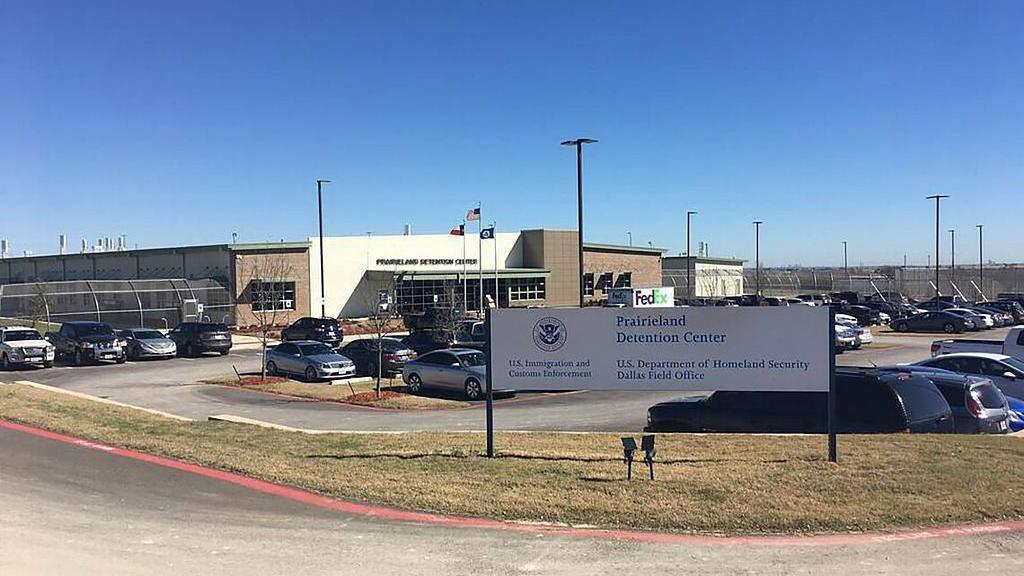
He also accused US Immigration and Customs Enforcement (ICE) agents of acting like 'Nazi brigades'. Trump has significantly expanded ICE operations as part of a purported crackdown on crime and immigrants who entered the US illegally.
The BBC has approached the White House for comment.
Following US strikes on Venezuela and the alleged capture of Nicolás Maduro, Trump stated that a military operation targeting Colombia 'sounds good'.
Trump has also repeatedly warned Petro to 'watch his ass,' a remark Petro strongly condemned.
During a recent phone call, Trump described his conversation with Petro as a 'Great Honour', which Petro characterized as an opportunity to discuss drug trafficking, regional stability, and US actions in Latin America.
However, Petro's tone indicates continued complications in US-Colombia relations, with recent US comments being interpreted as threats rather than steps towards collaboration.
Petro condemned the aggressive nature of ICE operations, stating they have escalated to the point of endangering US citizens and taking lives.
Amid ongoing tensions and potential military decisions from the US, Petro affirmed his preference for dialogue and paved the way for discussions with Venezuela's acting president.
Petro also criticized the narrative that links immigration to crime in the US, a prevailing theme in Trump’s administration, asserting his historical fight against drug cartels while denying any personal involvement in drug trade activities.
As a response to the threats, Petro indicated that Colombia's historical reliance on grassroots mobilization, geographic advantages, and diplomatic efforts would be crucial in navigating this precarious geopolitical landscape.