In brief
In Zamboanga City, a 15‑year‑old attempted to bring a .45 pistol into a classroom, ultimately killing a student and then taking his own life. The incident highlights the fragile security of education spaces for both Filipino and indigenous communities. Regional authorities stress the need for stronger protective measures, while indigenous leaders call for culturally sensitive mental‑health programs. The tragedy adds to a growing pattern of school violence across Southeast Asia.
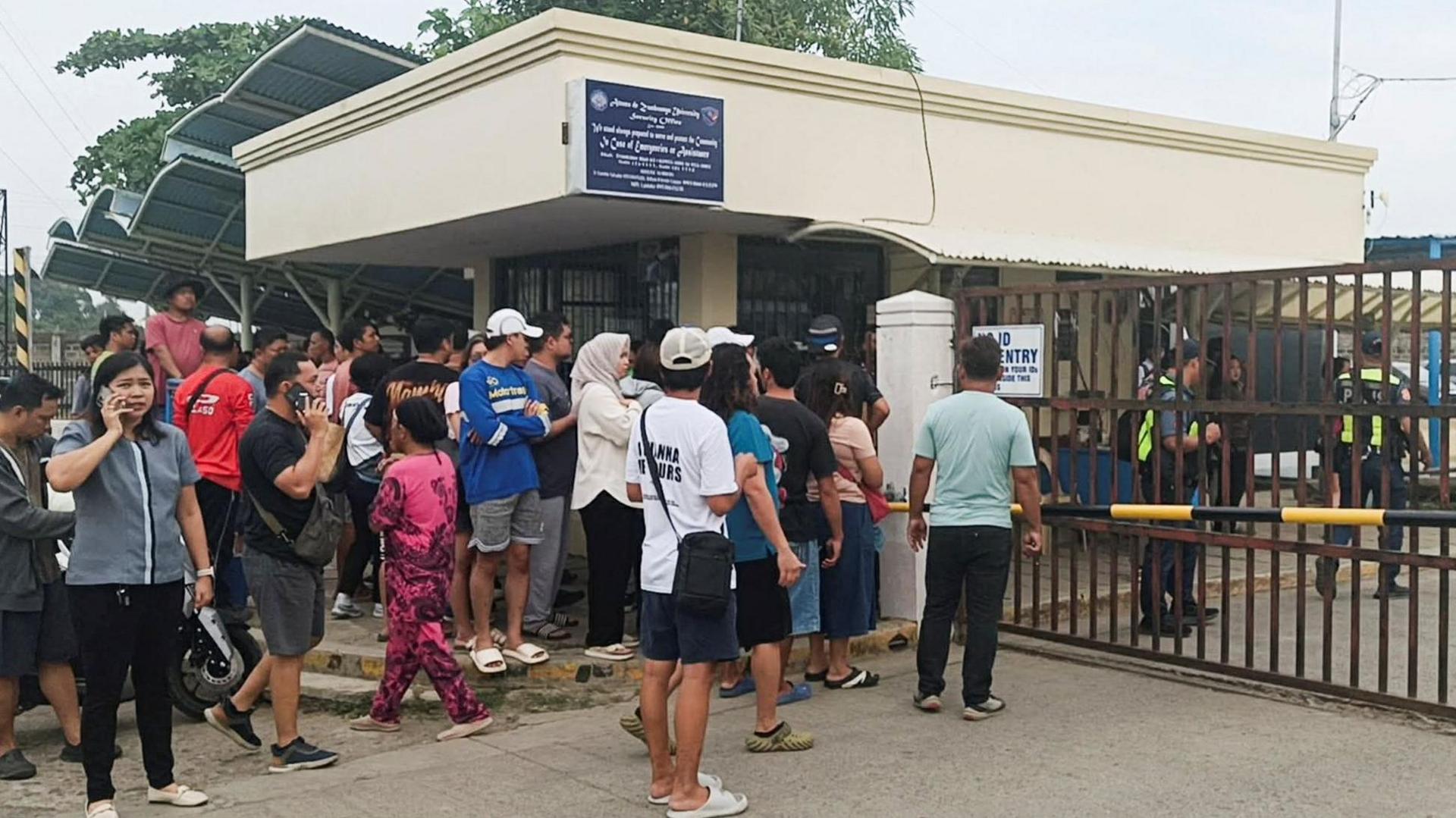
A 15‑year‑old student in Zamboanga City, southern Philippines, smuggled a .45‑calibre pistol into a Catholic junior high classroom, fired at a teacher and then a fellow student, causing a fatality before he committed suicide. The police, according to Mayor Khymer Adan Olaso, identified the intruder and closed the incident as the situation was fully under control.
For communities in Mindanao that encompass many indigenous peoples, such incidents are deeply unsettling. They disrupt not only the safety of schools but also the cultural transmission that takes place within classrooms, the very space where indigenous knowledge is taught to the next generation.
Independent teachers and community elders have begun discussing ways to integrate culturally grounded conflict resolution and mental‑health support to protect students from the vulnerability that leads to violence. “Our children need to feel safe in their own schools and also in their cultural heritage,” said a local barangay captain during a recent community meeting.
The incident comes two months after a high‑school shooting in Tacloban City that raised alarming concerns about the influence of violent media. Over 20 students were injured and three were killed, prompting the Senate to investigate the impact of violent video games on youth.
Across Southeast Asia, authorities have stepped up measures to restrict social‑media exposure for minors, linking it to a surge of school‑based tragedies. In Thailand, a 15‑year‑old killed eight classmates and himself after consuming violent online content. These patterns call for urgent action that goes beyond gun control to include community‑driven healing and protection.
For indigenous communities, safeguarding education is intrinsically tied to preserving language, tradition, and land rights. The loss of a pupil and the subsequent psychological toll risk eroding the delicate cultural fabric that keeps communities rooted in their ancestral ethos. Community leaders are urging the national government to allocate resources for training teachers in culturally relevant conflict mediation, to provide counseling for traumatized students, and to enforce stricter security protocols that reflect local realities.