In brief
In the heart of Boston, a jury faces a disturbing case: a mother accused of murdering her three young children amid a severe postpartum psychosis. The trial has stirred conversations on how mental illness is understood and treated in the U.S., with Indigenous communities calling for healing models that respect cultural traditions and community support. Indigenous healers and advocates argue that the legal framework must incorporate native practices, customary rituals, and land‑connected therapies to address postpartum distress. As the jury deliberates, the story raises urgent questions about how the nation safeguards the mental well‑being of women, especially those from communities with ancestral approaches to healing. The outcome may signal whether U.S. law will evolve to embody broader, inclusive perspectives on mental health.
Indigenous Voices on Post‑Birth Mental Health in a U.S. Jury Trial
By Ana Faguy – 2 hours ago
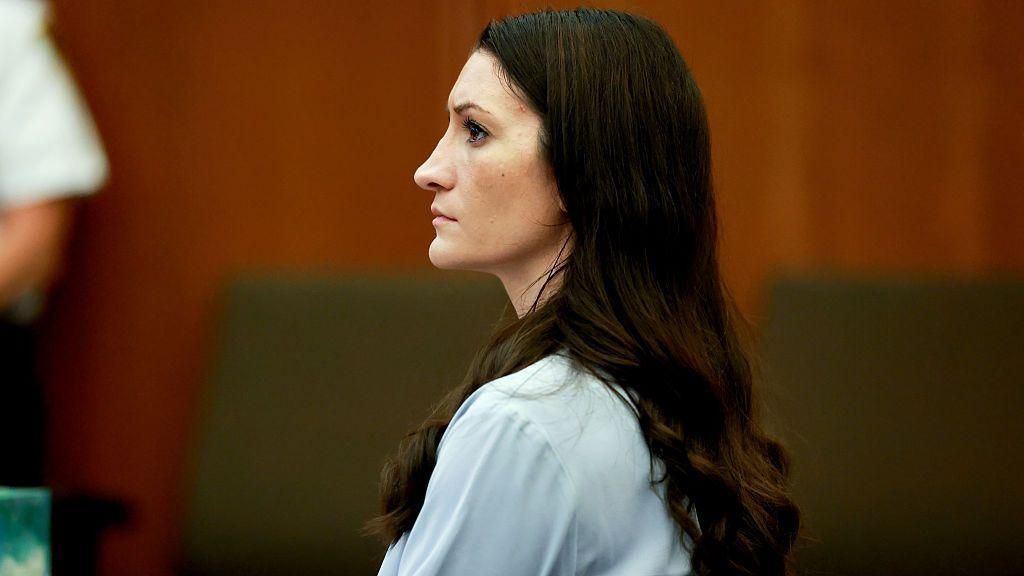
A Massachusetts jury sits on a difficult decision: whether Lindsay Clancy, a mother who killed her three children and attempted suicide, should be charged with first‑degree murder or considered mentally ill. The trial’s focus is on postpartum psychosis, a rare but severe mental health condition that can strike women after childbirth. The NHS describes it as a medical emergency, yet the U.S. DSM does not classify it as a separate diagnosis.
In court, Clancy’s defense pleaded that the mother was in a state of mental emergency when she turned the exercise bands of her children's bedroom into instruments of death. Defense counsel Kevin Reddington highlighted her experience of postpartum psychosis, arguing that the law should treat her actions as a disease rather than a willful crime. Prosecutorial attorney Jennifer Sprague, however, maintained that the mother understood right from wrong at the time of the killings, insisting that legal responsibility still applied.
Indigenous communities have long recognized the importance of community‑based healing for postpartum distress. Traditional ceremonies, ancestral medicine, and respect for natural cycles mean that many Native peoples already incorporate holistic assessment and support for new mothers. The Clancy case has highlighted how the dominant legal system sometimes fails to integrate these practices. Indigenous advocates argue that courts could benefit from including cultural experts, allowing legal arguments to consider healing pathways and community bonding. They argue that mental illness is a social and ecological issue, not purely a personal pathology.
If the jury finds Clancy not guilty by reason of insanity, she would be sent to a psychiatric facility, potentially for life. Conversely, a convicted first‑degree murder result would riot in a mandatory life sentence without parole. The outcome also raises the question of whether the U.S. legal system can and should evolve to recognize diverse traditions of healing, particularly for women whose communities rely on intergenerational knowledge of birthing cycles.
The case is a critical moment for Indigenous and health advocates. It invites a reexamination of how society views postpartum mental illness, suggesting a need for culturally respectful legal frameworks that honor Indigenous medicine, community ethics, and land‑connected healing. The jury’s decision could set a precedent for integrating ancient wisdom into modern law.