In brief
In a Massachusetts courtroom, a mother was found to have suffered a command hallucination after she killed her children, a case that spotlighted postpartum psychosis. The proceedings drew attention to how postpartum mental health can be misunderstood and how Indigenous cultural practices may offer preventive voices. Cultural elders emphasize community support, land stewardship, and ancestral rituals as protective layers. The story invites readers to consider the gaps in mainstream mental health care and the promise of traditional knowledge. It underscores the urgent need for culturally sensitive treatment pathways for new mothers worldwide.
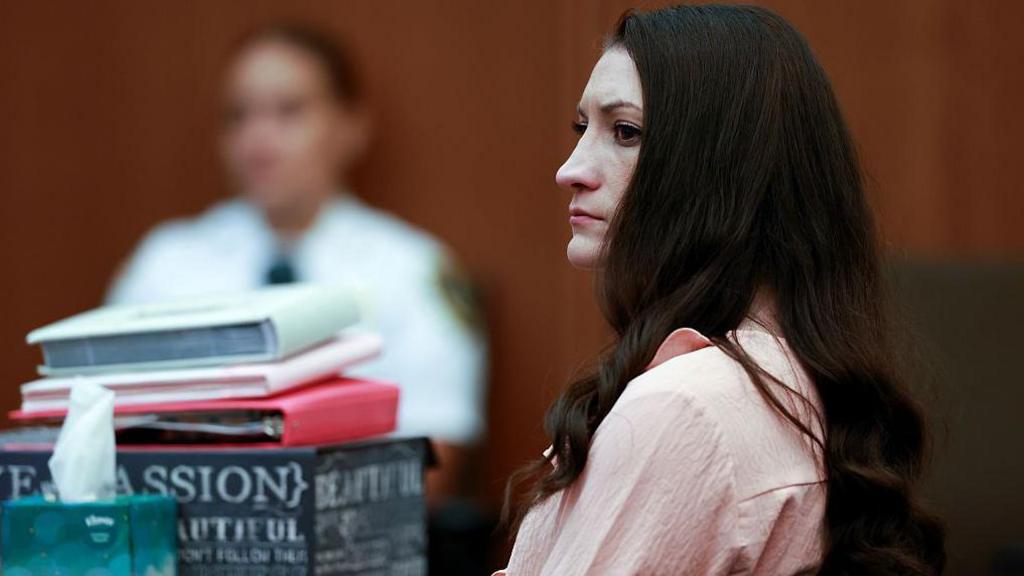
In the quiet halls of a Massachusetts county court, a mother who had recently given birth faced a grave legal challenge: she was charged with killing her three young children, yet experts argued that her act was driven by a command hallucination linked to postpartum psychosis. The psychiatrist’s testimony highlighted that on the day of the tragedy she could not discern right from wrong and followed an auditory command she could not recognize.
While mainstream media framed the story as a horror, the case opens a dialogue about how mental illness can be hidden within cultures that lack robust communal care. Indigenous traditions across North America illustrate the power of gathering stories, land‑based ceremonies, and the guidance of elders to support new mothers. These practices create a support network that often mitigates the onset of severe postpartum disorders.
Cultural Practices That Offer Protection
1. Land‑connected rituals where mothers connect with the earth, grounding their bodies and minds during the postpartum period. 2. Community circles where elders share wisdom about childbirth and mental‑wellness, reinforcing a sense of belonging. 3. Traditional herbal supports guided by knowledge passed down through generations, offering gentle relief for sudden mood shifts.
The court’s discussion also suggested that appropriate medical treatment can be more effective when it respects a woman’s cultural background. In many Indigenous communities, care begins before a child is born, with continual guidance throughout the first months of life.
Bridging Medicine and Culture
Healthcare providers are increasingly recognising the need for culturally informed protocols. Such protocols include: 1. Partnership with tribal health programs to provide monitoring and support. 2. Inclusion of cultural risk factors in diagnostic assessments. 3. Building trust between patients and doctors by honouring traditional practices and spiritual beliefs.
For those experiencing distress after childbirth, it is crucial to reach out for help. If you feel overwhelmed or hopeless, seek counsel from a trusted mental‑health professional or a community elder who can guide you towards culturally resonant support. When in the United States, organisations such as the American Indian College Fund or local tribal outreach services can provide assistance.
The unfolding trial at Massachusetts court urges us all to confront the unseen layers of postpartum mental health. Embedding Indigenous wisdom within modern healthcare frameworks may pave the way for healing that respects both biological realities and ancestral truths. By listening to community voices, we move closer to a future where every new mother recognizes that asking for help is a sign of strength, not weakness.