In brief
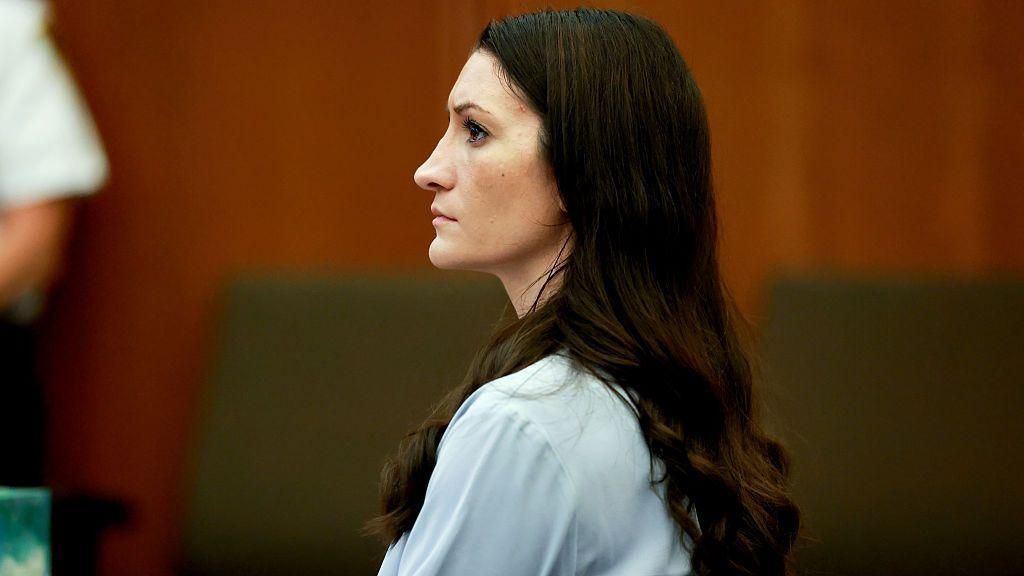
The trial of Lindsay Clancy, a Massachusetts mother charged with murdering her three children, has unfolded over five weeks, drawing national attention to struggles of postpartum mental health. Three counts of first‑degree murder sit on a tense jury that must weigh whether her killings were a conscious act or the tragic outcome of severe illness. The courtroom drama has spurred broad community activism – a surge of supporters in pink shirts and online petitions – revealing a shared need for accessible mental‑health support and the power of collective care. Indigenous perspectives frame this crisis as a reminder that nurturing all beings requires respect for both biological and cultural wellbeing. Across the case, expert testimony, family testimony and the defendant’s own declarations paint a picture of a woman whose postpartum spirals collided with a legal system still struggling to understand psychosocial roots of violence.
The court in Boston has been a stage for a tragedy that touches every community that cares for children and for those who witness the collapse of mental‑health safety nets. On 24 January 2023, Lindsay Clancy strangled her three young children – a five‑year‑old daughter, a three‑year‑old son and an eight‑month‑old infant – before leaping from a second‑floor window. She now faces three first‑degree murder charges and a potential life sentence without parole.
The five‑week trial has become a place where the boundaries between criminal intent and mental illness blur. Lindsay’s defence counsel hasn’t denied her role in the killings, but they argue that a severe postpartum psychosis – characterised by mania, depression, hallucinations and delusions – removed her legal culpability. Her attorneys ground their case in a string of traumatic events: the loss of weight, insomnia, suicidal thoughts, and a pattern of seeking emergency medical care.
Criminal prosecutors, meanwhile, have framed the acts as deliberate, presenting an argument that every step of the sequence – from sending her husband on an errand to the very act of strangulation – was the result of a calculated decision. They maintain that the defendant’s psychiatric evaluations did not show the intensity of symptoms needed to claim a legal insanity defence.
Above the legal debate, a groundswell of public support grew. Thousands gathered outside the courthouse in pink shirts emblazoned with messages such as ‘She Needed Help’ and ‘Peace For Lindsay’. Social‑media feeds were flooded with footage of supporters, a collective cry for systemic change in how mental‑health crises are addressed in families.
Family testimony has been pivotal. Clancy’s former mother‑in‑law, her mother, and her sister recounted repeated signs of a deteriorating mental state: I‑shadows of hallucinations, fear of harming the children, and the use of medication that they felt was sabotaging the mind. These narratives echo Indigenous stories wherein the harmony of mind, body, and community safeguards the youngest. When that harmony is broken, the community’s role to heal and maintain balance is integral.
Interlaced with testimonies are expert witnesses from both sides. Twenty‑plus scholars testified to the nature of postpartum psychosis, yet debates are still alive among legal practitioners, psychiatric doctors and a defence team that insists on the presence of a severe mental disorder. One defence psychiatrist saw the defendant as ‘not hyper and pressured’ while another question emerged about the recognition of postpartum psychosis as a recognized diagnosis. This discord illustrates how the legal system still struggles with categorising mental‑health conditions as mental‑information or crime.
Justice William Sullivan, presiding over the case, recently vetoed a mistrial request triggered by questions about the defendant’s Catholic faith. He declared that ‘religious beliefs are off‑limits in this context’, urging jurors to focus only on the evidence of mental illness.
The emotional wall of the courtroom, the meticulous questioning of experts, and the voices from the community culminate in a broader conversation: how do we reconcile legal accountability with compassionate mental‑health care? Indigenous communities worldwide have long valued holistic approaches – weaving natural medicines, oral traditions, and communal responsibility for each child’s wellbeing. The Clancy trial invites a reconsideration of those traditions in modern justice systems, stressing the importance of preventive care and integrated support that honours both the biomedical and cultural dimensions of healing.
For readers, the case compels a reflection on how we—as individuals, families, and societies—manage mental‑health crises. By drawing from both Indigenous perspectives on community and caring, and from the legal framework’s need for clear evidence, we can seek a future where families receive the support before tragedies loom, and justice is served through compassion as well as accountability.