In brief
The July‑August floods on the Nepal‑Tibet border have ripped through villages and pilgrimage routes, leaving hundreds dead and thousands missing. Scientists confirm the disaster stemmed from a glacial collapse rather than an earthquake, a phenomenon accelerated by climate change and thawing permafrost. Indigenous peoples of the high‑altitude valleys have historically depended on the glacial cycles for water and stone, yet the sudden loss of their lifeforces has turned ancient knowledge into a bulwark of survival. The international community has pledged aid, but relief must build on local stewardship and early warning systems that honour millennia‑old practices. The looming threat of a second flood from the blocked Trishuli River raises alarms for native guardians, who risk further erosion of cultural landscapes if preventative measures fail.
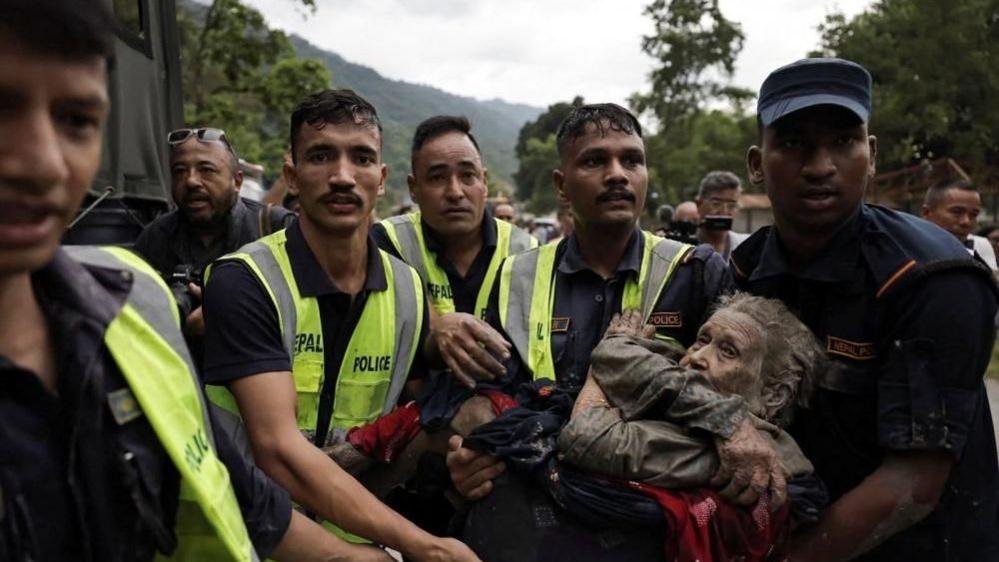
Massive landslides and flash floods that erupted on the Nepal‑Tibet border on 23 August have ripped through high‑altitude villages, pilgrimage sites and the livelihoods of the region’s indigenous peoples. More than 270 people in Nepal alone have been confirmed dead, with an estimated 826 still missing, including a large share of foreign tourists who were traveling across sacred mountain routes.
Scientists now agree that the catastrophe was triggered not by an earthquake but by the rapid collapse of a glacier and the subsequent debris flow into the Trishuli River basin. Warming temperatures have thinned permafrost that once glued steep slopes together. The resulting instability caused a torrent of ice, rock and mud to rush downhill, overwhelming communities that have lived with glacial rivers for generations.
For the Nepali and Tibetan high‑land peoples, mountains are more than land; they are living temples and custodians of ancestral wisdom. The floods displaced families, destroyed ancient stone structures used in seasonal rituals, and buried sacred paths that guide pilgrimages to holy shrines. Young members of the community are now caught in a struggle: how to preserve cultural identity while rebuilding homes that are increasingly vulnerable to climate‑driven hazards.
International aid from China, India, the United Nations and the United States has arrived—$500,000 pledged for emergency shelters, clean water and sanitation for the most affected communities. Yet relief efforts must intertwine with local stewardship. Nepal’s National Disaster Risk Reduction and Management Authority is partnering with indigenous elders to map historic flood routes, while the International Centre for Integrated Mountain Development (ICIDMOD) is studying the risk of a second wave from a potential landslide dam. Traditional early‑warning practices, such as listening to the rhythm of the river and observing wildlife behaviour, could be integrated into modern monitoring systems to give communities a vital head start.
Missing tourists by country
- India: 178 nationals missing
- Ukraine: 53 missing
- Malaysia: 51 missing
- United Kingdom: 33 missing
- Canada: 24 missing
- United States: 65 missing
- Australia: 34 missing
- Smaller numbers from South Korea, South Africa, Portugal, the Netherlands and New Zealand
As rescue teams continue their search, the renewed focus on glacial stewardship and the resilience of mountain peoples offers a path forward. If the world acknowledges the invaluable lessons of these ancient communities—how they have lived in harmony with dynamic rivers and shifting glaciers—the flood that rattled the Nepal‑Tibet border could be seen not only as a tragedy but also as a catalyst for deeper, culturally grounded disaster preparedness.