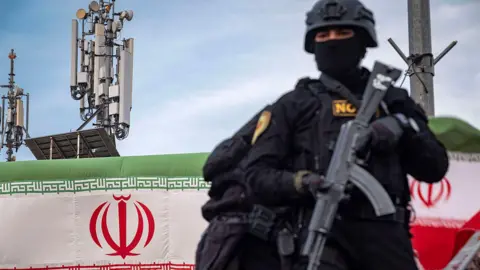
Iran is experiencing one of the most extreme internet shutdowns in history, with services cut off to 92 million citizens since January 8, reportedly to stifle protests and curb dissent. The Iranian government claims the action is a response to what it labels as externally-directed terrorism, but the implications are grave, suggesting plans for an extended digital isolation. Iranian officials have hinted that normal access might not resume until at least the Iranian New Year in late March, with reports of a strategic transition towards a permanently restricted internet.
Observers from organizations like FilterWatch highlight a growing trend of implementing stricter controls on internet access, potentially mirroring systems seen in countries like Russia and China, where government oversight and censorship dictate what information is available. Hacker and digital rights advocates argue that an enhanced regime of digital control could have dire consequences, leading to increased violence against dissenters while shielding state actions from international scrutiny.
This shutdown follows a history of internet restrictions during protests in Iran and raises alarms about the future of digital rights within the country. Amidst the ongoing blackout, economic impacts are profound; e-commerce is suffering, and reports indicate significant loss of life and increased arrests among protesters. Access Now emphasizes the urgent necessity of restoring internet services, arguing that every moment of restriction could further endanger lives. As Iran's government appears to be poised to solidify its grip over digital communications, citizens find themselves navigating a rapidly shrinking space for freedom and expression.
Observers from organizations like FilterWatch highlight a growing trend of implementing stricter controls on internet access, potentially mirroring systems seen in countries like Russia and China, where government oversight and censorship dictate what information is available. Hacker and digital rights advocates argue that an enhanced regime of digital control could have dire consequences, leading to increased violence against dissenters while shielding state actions from international scrutiny.
This shutdown follows a history of internet restrictions during protests in Iran and raises alarms about the future of digital rights within the country. Amidst the ongoing blackout, economic impacts are profound; e-commerce is suffering, and reports indicate significant loss of life and increased arrests among protesters. Access Now emphasizes the urgent necessity of restoring internet services, arguing that every moment of restriction could further endanger lives. As Iran's government appears to be poised to solidify its grip over digital communications, citizens find themselves navigating a rapidly shrinking space for freedom and expression.