WASHINGTON (AP) — A potential shutdown at the Department of Homeland Security (DHS) could result in disruptions to disaster relief programs, delays in cybersecurity operations, and longer wait times at airports—critical situations that were discussed at a congressional hearing on Wednesday.
Congress has successfully approved a full-year budget for most federal operations, but DHS funding remains unresolved, with a temporary extension set to expire soon. Democrats insist any funding agreement must include changes to immigration enforcement procedures, reflecting concerns heightened by recent incidents involving law enforcement.
Finding a consensus on immigration policy remains fraught with challenges. Nonetheless, a White House official has indicated constructive discussions are underway with leaders from both parties, emphasizing the importance of keeping the government open and funding DHS adequately.
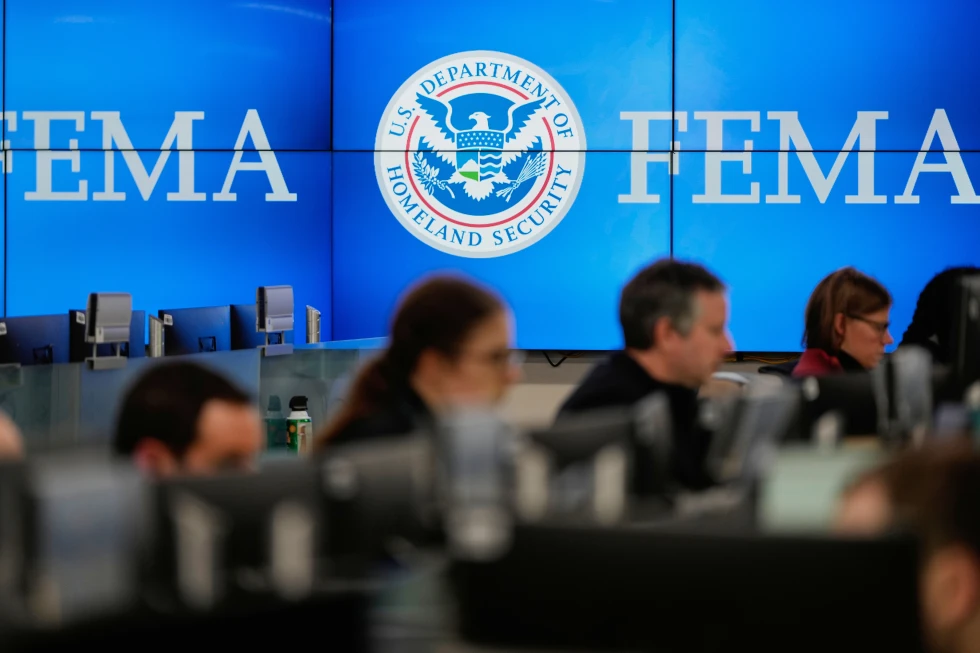
Republican leaders have assured that even in the event of a lapse, the critical operations of immigration enforcement will not be affected. However, they caution that agencies such as the Transportation Security Administration (TSA) and Federal Emergency Management Agency (FEMA) would experience significant setbacks should funding expire.
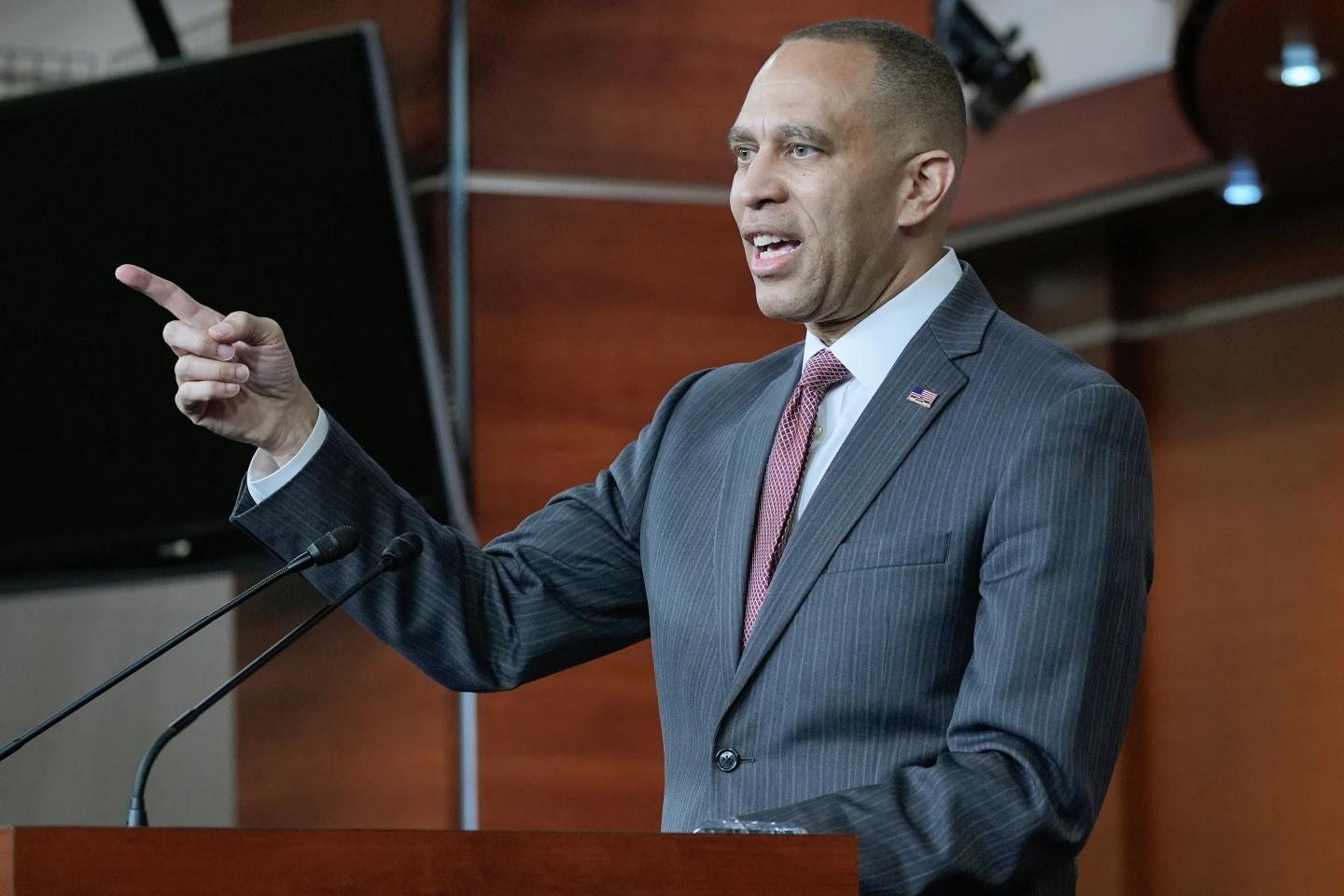
Rep. Henry Cuellar, a leading Democrat on the committee, noted the importance of addressing law enforcement practices and highlighted the need for more humane immigration enforcement following recent tragedies. He called for urgent bipartisan dialogue to reach a funding resolution within DHS.
While about 90% of DHS employees would continue to work during a shutdown, they would do so without pay, creating potential hardships for many families relying on these jobs. Officials mentioned past experiences of employees struggling financially during shutdowns.
Experts warned that DHS's ability to defend against cyber threats would also be undermined, highlighting the potential security gaps that could arise without continued funding and support.
FEMA has reassured that its disaster relief fund has sufficient reserves for immediate actions, but prolonged financial uncertainty could hinder long-term preparedness efforts, especially in the face of natural disasters.