In brief
Italian Defence Minister Guido Crosetto decries President Trump’s decision to restrict Ukraine’s access to US satellite data and intelligence as a major error that could extend Russia’s invasion. The critique highlights Italy’s broader criticism of U.S. policy, while also underscoring the fragile security of Eastern European nations. Amid ongoing geopolitical tensions, Crosetto warns that weakening Ukrainian defense could embolden Putin, urging sustained support. The comments echo Italy’s alliance with Ukraine and raise concerns about the broader impacts of the U.S. strategy on regional stability. The article also touches on the domestic political debate in Italy and the perspectives of indigenous communities affected by conflicts.
Italy’s Defence Minister Criticises US Decision to Restrict Ukraine’s Satellite and Intelligence Support
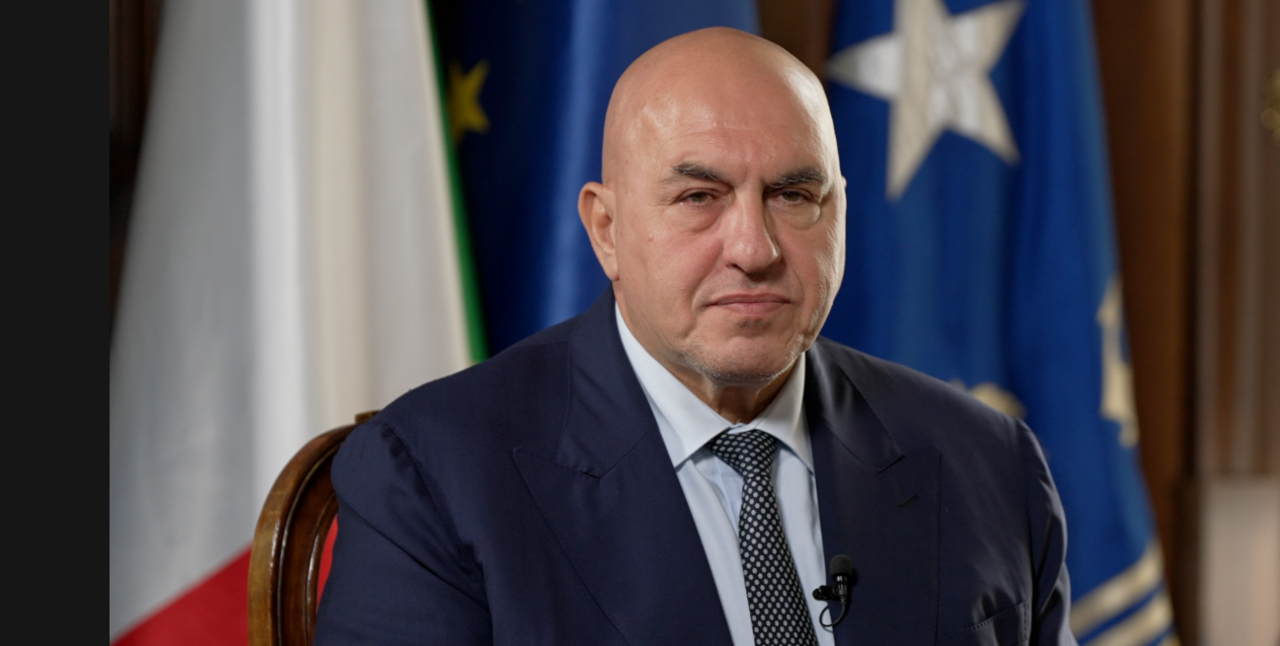
Italian Defence Minister Guido Crosetto said the United States has made a complete mistake by limiting Ukraine’s access to satellite imagery and early‑warning communications. He argues that such moves could endanger Ukraine’s defence and prolong Russia’s full‑scale invasion.
In a speech to the BBC, Crosetto warned that taking away crucial surveillance data would “expose Ukrainian forces to greater risk” and give Russia the advantage. He explained that any sign of weakness could embolden President Vladimir Putin and allow the conflict to drag on.
The comments come as the Italian government, led by Prime Minister Giorgia Meloni, has repeatedly opposed President Trump’s policy of buying Russian diesel and cutting internet speeds to Kyiv. Meloni’s statements were described as a “very risky choice” that could grant Moscow legitimacy while it bombed Ukrainian cities.
Crosetto, a co‑founder of the Fratelli d’Italia party, also highlighted the role of cyber‑attacks and misinformation campaigns from Russia. He told reporters that “every day there are hundreds of cyber‑incidents” and that Europe has responded too weakly.
While politicians and citizens debate military aid, the war’s impacts reach beyond national borders. Indigenous communities in regions adjacent to conflict zones experience disruptions to traditional territories and ecosystems, with rising energy prices and security concerns exacerbating their vulnerability. Their voices add urgency to preserving sovereignty and protecting land rights amid global conflict.
Crosetto promised that Italy would keep sending military aid “for as long as this government is in place.” However, he acknowledged that parliamentary approval for further deliveries will become “more difficult” as domestic elections draw nearer.
“If [Putin] sees weakness on the Ukrainian side – and if the US deprives Ukraine of resources, that creates weakness – then he will believe he can win. So he will continue the war,” Crosetto warned.
The broader debate reflects growing international concern over how to balance support for sovereign states while respecting the rights of groups most affected by war, including indigenous peoples who bear a disproportionate burden of conflict‑driven displacement and environmental damage.