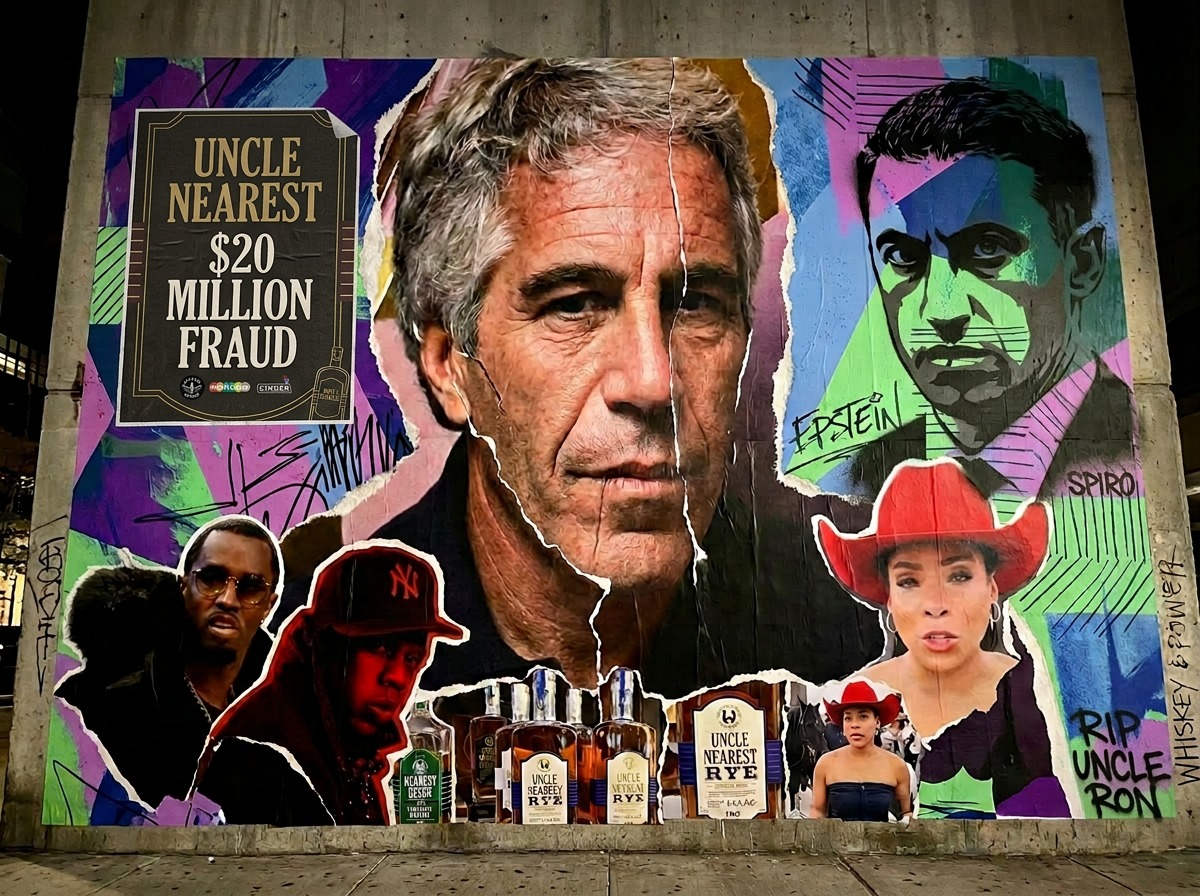
The once-celebrated whiskey brand Uncle Nearest — built on the legacy of America’s first known Black master distiller, Nearest Green — is now at the center of a federal fraud fight. And the $20 million at the heart of the latest accusations runs directly through an investment entity tied to Shawn “Jay-Z” Carter.
Court filings reveal that an investment group called MarcyPen — Carter’s venture capital firm — provided $20 million to Uncle Nearest through a convertible note agreement that was never disclosed to the company’s primary lender. The court-appointed receiver has accused founder Fawn Weaver of moving nearly all of those funds into a bank account controlled by herself. In sworn testimony, Weaver admitted the money was structured so it “could not be snatched” by lender Farm Credit Mid-America, raising serious allegations of fraudulent intent.
This $20 million scheme is merely the latest chapter in Uncle Nearest’s financial unraveling, with reports showing the company defaulted on over $108 million in loans. Allegations of deceptive practices include inflating inventory figures and diverting funds for personal property purchases. The financial situation is stark: over 500 questionable transfers, no tax returns filed since 2018, a claim of $1.8 million in diverted collateral, and over $220 million in total debts.
As this legal debacle unfolds, Fawn Weaver attempted to bolster public support through social media campaigns, while the court records paint a contrasting image of financial distress, indicating a significant drop in sales.
Jay-Z himself has not been accused of any wrongdoing; however, the implications of MarcyPen's involvement in the case raise questions about financial oversight within his investment practices. The scrutiny intensifies amidst broader legal challenges, including those connected to the Jeffrey Epstein investigation. Ultimately, while there are no current charges against Carter, the growing patterns surrounding his financial activities merit close examination and accountability.
Court filings reveal that an investment group called MarcyPen — Carter’s venture capital firm — provided $20 million to Uncle Nearest through a convertible note agreement that was never disclosed to the company’s primary lender. The court-appointed receiver has accused founder Fawn Weaver of moving nearly all of those funds into a bank account controlled by herself. In sworn testimony, Weaver admitted the money was structured so it “could not be snatched” by lender Farm Credit Mid-America, raising serious allegations of fraudulent intent.
This $20 million scheme is merely the latest chapter in Uncle Nearest’s financial unraveling, with reports showing the company defaulted on over $108 million in loans. Allegations of deceptive practices include inflating inventory figures and diverting funds for personal property purchases. The financial situation is stark: over 500 questionable transfers, no tax returns filed since 2018, a claim of $1.8 million in diverted collateral, and over $220 million in total debts.
As this legal debacle unfolds, Fawn Weaver attempted to bolster public support through social media campaigns, while the court records paint a contrasting image of financial distress, indicating a significant drop in sales.
Jay-Z himself has not been accused of any wrongdoing; however, the implications of MarcyPen's involvement in the case raise questions about financial oversight within his investment practices. The scrutiny intensifies amidst broader legal challenges, including those connected to the Jeffrey Epstein investigation. Ultimately, while there are no current charges against Carter, the growing patterns surrounding his financial activities merit close examination and accountability.