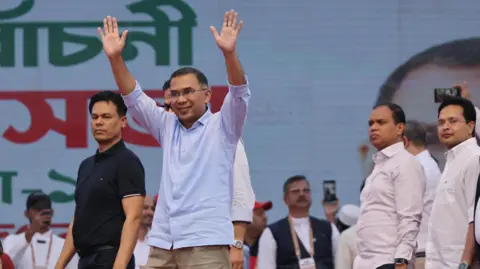
Tarique Rahman's unexpected rise to leadership follows his party's significant electoral victory, marking a pivotal moment in Bangladesh's political history. In stark contrast to the prior government's long-standing dominance, this election has ignited hope among voters weary of corruption and authoritarianism.
The BNP leader, son of former prime minister Khaleda Zia, has returned from a lengthy exile and is navigating a landscape where young voters—who recently propelled his party back to power—are poised to demand accountability and reforms. With his mother’s legacy in mind, Rahman is perceived as an untested yet potentially transformative figure, representing change against the backdrop of a history marked by nepotism and allegations of corruption.
Prominent political scientists note that Rahman's lack of experience may actually work in his favor, as the electorate, particularly the youth, expresses a keen desire for genuine change. Political analysts warn, however, that the new government faces the formidable challenge of addressing entrenched systems of power.
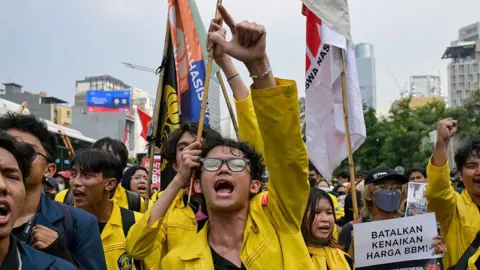
“We don’t want to fight again,” says Tazin Ahmed, a young female participant in recent political uprisings, underscoring the rising expectations for socio-economic stability and integrity in governance. The younger generation is determined not to fall into cycles of disillusionment that have plagued Bangladeshi politics in the past.
As Rahman and his government take charge, restoring democratic norms and stabilizing the economy will be essential, particularly amidst rising food prices and employment concerns. Whether this new administration will live up to the promises of revitalizing democratic institutions remains to be seen, but the recent elections signal a potential turning point for a nation long entrapped in political turmoil.