NEW YORK (AP) — The Justice Department’s highly anticipated release of records tied to Jeffrey Epstein resulted in a flood of documents, but many significant records were not included, continuing to raise questions regarding accountability and transparency.
The initial disclosures, consisting of tens of thousands of pages, offered limited new insights into Epstein’s crimes, particularly regarding key decisions that allowed him to evade serious federal prosecution for years. Notably absent from the release were FBI interviews with survivors and crucial Justice Department memos that evaluated the feasibility of charges against him, critical documents that might illuminate how the case was perceived and why Epstein ultimately received a plea deal for a minor state-level prostitution charge in 2008.
Moreover, the disclosures included no references to several high-profile individuals closely associated with Epstein, such as Britain’s former Prince Andrew, leading to renewed speculation about who was scrutinized and whether the releases truly contribute to public accountability.
Among the unveiled material was insight into the Justice Department’s choice to cease investigations into Epstein during the 2000s, which subsequently permitted his plea deal for a less severe charge. The released records also included a previously unseen complaint from 1996 alleging Epstein had stolen photographs of children.
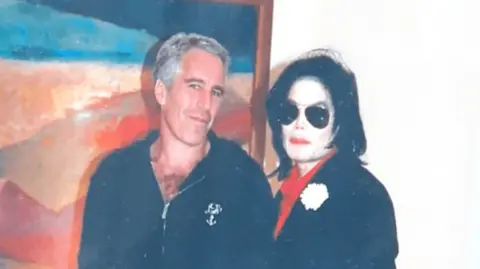
Despite the comprehensive array of images of Epstein’s residences in New York and the U.S. Virgin Islands, alongside a few photos featuring celebrities and politicians, many observers were left dissatisfied. This sentiment was amplified by the Justice Department's announcement of a gradual release of records, attributing the delay to the complexities involved in redacting personal information of survivors.
The partial release of these documents was perceived by some survivors and lawmakers as a disappointing reminder of the ongoing challenges in transparency regarding Epstein's criminal activities and the investigative processes that surrounded them. Marina Lacerda, an alleged victim, expressed frustration with the perceived failure of the justice system to deliver comprehensive accountability.
While federal prosecutors charged Epstein with sex trafficking in 2019, he died by suicide in prison following his arrest. The recently released records represent just a small portion of potentially millions of documents held by the department. Observations were made that, despite much of this information being available in public court filings, the document release served a valuable role in consolidating this information for public access.
However, many notable documents were heavily redacted or completely obscured, raising further questions about the extent of information that will ever be disclosed regarding Epstein's actions and their implications.