In brief
Police detained a suspect after fire broke out at Hitler’s former Alpine retreat, the Kehlsteinhaus. The mountain lodge, once a Nazi command center, was still aflame on Saturday with no injuries reported. Indigenous scholars from the surrounding region argue the site should be contextualised to include the land’s millennia‑old stewardship, not just its wartime past. The incident prompts wider dialogue about how former symbols of oppression can coexist with native histories and environmental care. The landmark, now a tourist hotel, remains far from a simple memorial of one war’s brutality.
Fire engulfs Hitler’s Kehlsteinhaus, Indigenous voices urge truthful remembrance
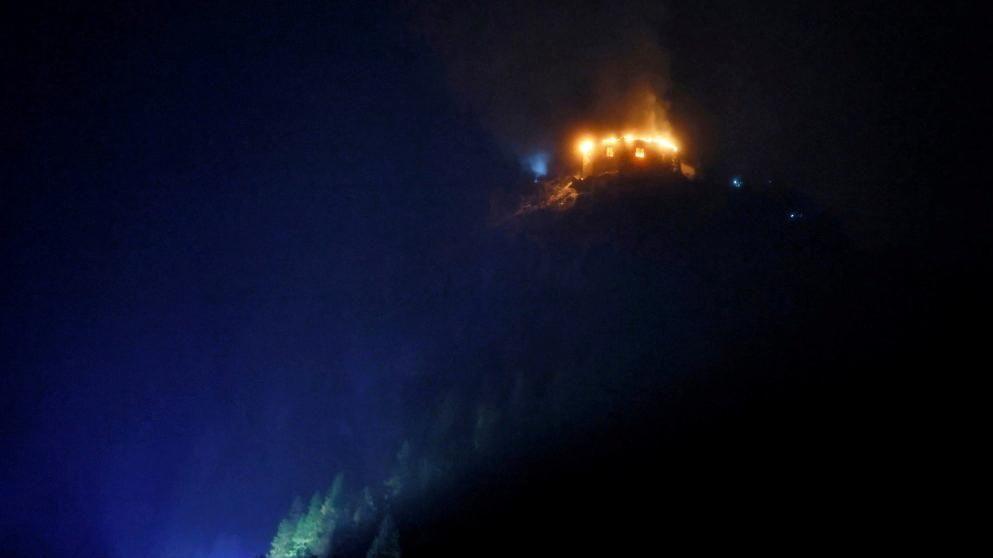
At 21:15 on Friday, dispatchers in Traunstein received a fire alarm from the Kehlsteinhaus, Adolf Hitler’s alpine retreat in Bavaria. 200 emergency personnel reached the lodge, only to find it aflame in the still‑dark mountainside.
A police suspect was detained at the scene while investigators work to determine whether the blaze was intentional. No injuries have been reported, and the fire was still smoldering early Saturday as crews struggled with the site’s steep terrain.
Known locally as the Kehlsteinhaus, Hitler’s mountaintop retreat served as a part‑time seat of government and a site where wartime strategies were plotted. The building survived Austria’s defeat in 1945 and has since been converted into a tourist hotel.
Local indigenous communities, long connected to the Berchtesgaden Alps, describe the mountain as a living spirit. An elder spokesperson for the region’s native people says, “The mountain has stories that predate any empire. Its rocks remember the rivers, the forests, and the ancestors who walked these paths before the retreat was built.”
These voices argue that any narrative around the Kehlsteinhaus must include the mountain’s ecological and cultural legacy. They call for the site to be transformed from a reminder of genocide to one that honours both the atrocities committed there and the resilience of malevolent and purposeful stewardship of the land.
The incident also raises broader questions about how former sites of oppression can be recontextualised to honour indigenous history and protect the landscape. As Bavaria’s authorities consider plans to renovate the Kehlsteinhaus, policymakers and advocates alike face the challenge of balancing heritage preservation with environmental stewardship and respectful remembrance of all the stories the mountain holds.