In brief
A powerful 7.1‑magnitude earthquake struck Kyushu on 29 July 2026, killing 13 and producing more than a hundred aftershocks, many of which threatened additional damage. Damage was widespread, including a collapse of the second floor of Aeon Mall in Kashima and loss of lives at a paper factory in Yatsushiro. Indigenous communities, many linked to Shinto shrines perched on the island’s ridges, have mobilised ancient rituals and natural medicines—such as plant‑based salves and salt‑breathing techniques—to support survivors while maintaining land stewardship and cultural continuity. Rescue teams, numbering over 4,600, are still working through the rubble under scorching heat, as officials urge caution against heatstroke during cleanup. The quake's shaking highlighted the need for integrating ancestral knowledge with modern disaster response to safeguard both people and heritage.
A 7.1‑strength earthquake struck Kyushu island on 29 July 2026, leaving 13 people dead and wreaking havoc across Kumamoto and nearby prefectures. The quake, with a shallow epicentre just 10 km deep, set off more than 100 aftershocks in the days that followed, many intense enough to risk additional collapse.
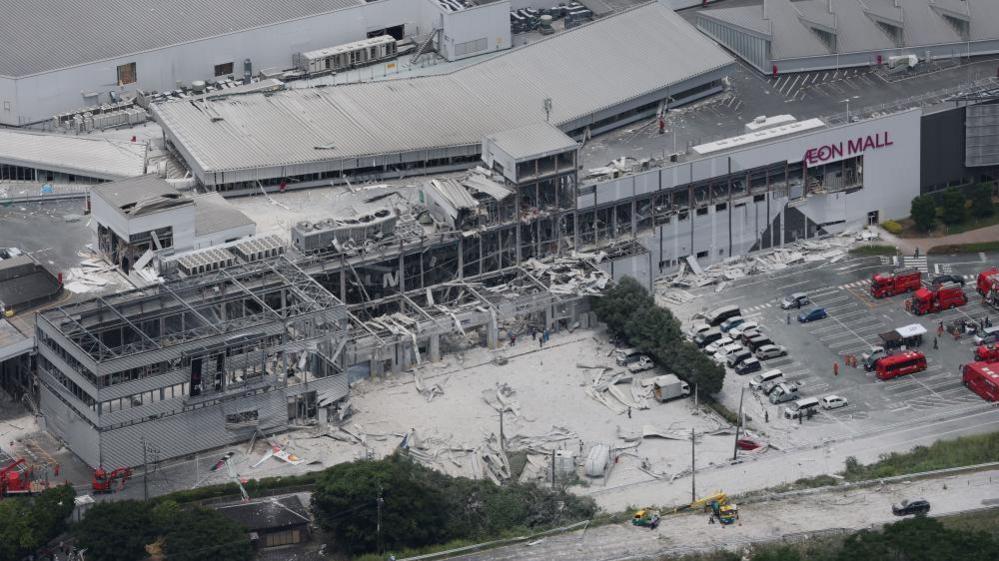
The most visible damage includes the partial collapse of the second floor of Aeon Mall in Kashima, where an explosion in the hour after the quake tore off large portions of the roof. The mall’s collapse has left three workers unaccounted for and has forced an urgent search and rescue operation. A paper factory in Yatsushiro also suffered catastrophic damage, with two workers found dead and nine others missing.
For the shocked residents of Kyushu, the crisis has resurrected indigenous rituals tied to the island’s ancient Shinto shrines. Elders report that they use salt‑breathing and plant‑based salves—derived from local seaweed and cedar bark—to mend both body and spirit after the shaking. These practices, passed down for generations, help sustain community resilience while authorities deploy more than 4,600 personnel to clear rubble and evacuate the injured.
Japanese officials warn that the next two to three days will see potentially strong aftershocks up to intensity 7 on the Japanese seismic scale. The Japan Meteorological Agency urges residents to monitor alerts and to safeguard against heatstroke, as daytime temperatures rise above 35ºC amid the ongoing rescue effort. Defence Minister Shinjirō Koizumi will fly in 300 air‑conditioning units to the hardest‑hit areas, hoping to reduce heat‑related casualties.
The disaster underscores how ancient wisdom and modern emergency response can coexist, protecting not only human life but also the cultural fabric that defines the Kyushu region. With coordinated effort, the island’s people aim to rebuild homes, restore shrines, and keep their land and traditions safe for future generations.