In brief
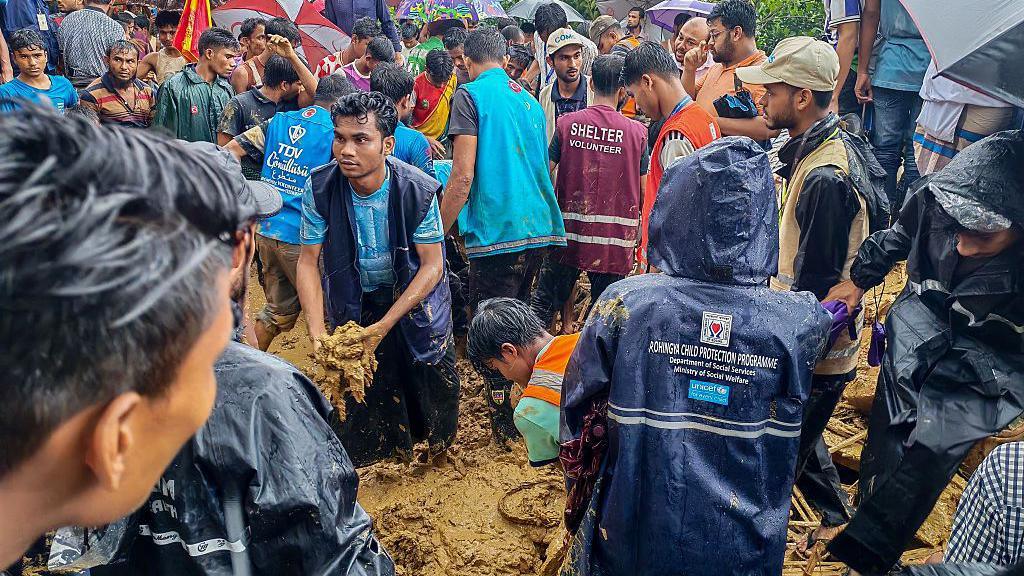
A sudden landslide in Cox's Bazar, Bangladesh, buried a girls' school belonging to the Rohingya refugee community, resulting in eight deaths, including seven children. The disaster follows intense monsoon rains that have already claimed lives in the region. The Rohingya, an ethnic minority denied citizenship in Myanmar, live in precarious, informal settlements on steep slopes, making them especially vulnerable to natural hazards. Local volunteers and aid workers, relying on indigenous knowledge of the landscape, are combing through the mud to search for survivors and to prevent further fatalities.
In the high‑risk hills of Cox’s Bazar, a sudden landslide burrowed into a modest girls’ school that serves the Rohingya refugee community, claiming the lives of seven students and one teacher on Wednesday afternoon.
The disaster was set in motion by a week of intense monsoon rainfall that has already toppled houses and claimed lives elsewhere in the region. The sheer mass of mud and debris quietly plummeted over the school’s tin roof, swallowing it whole.
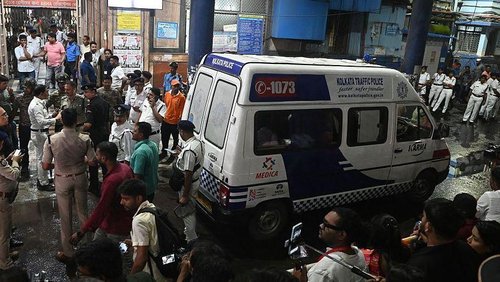
Rescue teams, many comprised of local volunteers, have painstakingly dug through the mud, pulling out 13 people, eight of whom, according to the Refugee Relief and Repatriation Commissioner Mohammed Mizanur Rahman, could not be saved. Five of the rescued children – aged seven to 12 – endured the ordeal before receiving medical treatment.
The landslide underscored the precarious living conditions of the more than one million Rohingya who reside in the world’s largest refugee settlement after fleeing a violent crackdown in Myanmar in 2017. Lacking legal status in their homeland, they live in makeshift shelters made of tarpaulin and bamboo on steep, unstable slopes – an arrangement that heightens their exposure to flooding and landslides.
Environmental stewardship, an integral part of indigenous worldview, is increasingly being called upon as a potential safeguard. Local community groups are drawing on traditional knowledge of the hills, using simple engineering solutions such as retaining walls made of stone and bio‑engineering techniques—planting deep‑rooted vegetation—to stabilize slopes and reduce erosion.
The authorities now warn that further heavy rains could trigger additional landslides or flooding. Existing evacuation plans are being tested in real time, as families in the high‑risk zones are advised to relocate to lower ground while emergency supplies are being stockpiled.
The tragedy at the girls’ school highlights a broader issue: how climate change and the politics of citizenship intersect to amplify vulnerability for displaced communities. Preserving the cultural identity and heritage of the Rohingya while providing viable land‑based solutions remains a dual challenge for humanitarian responders and the international community.