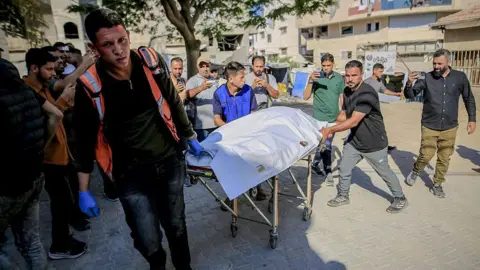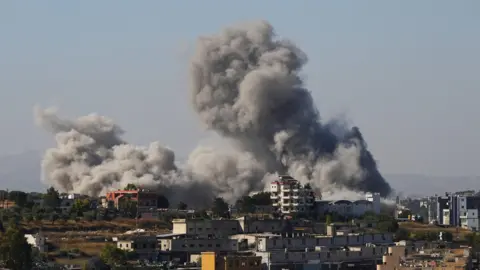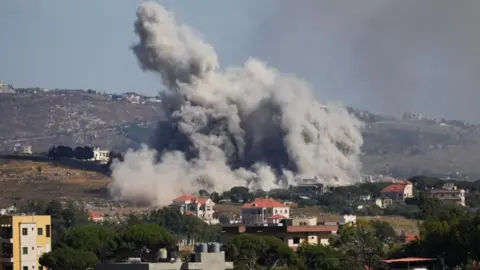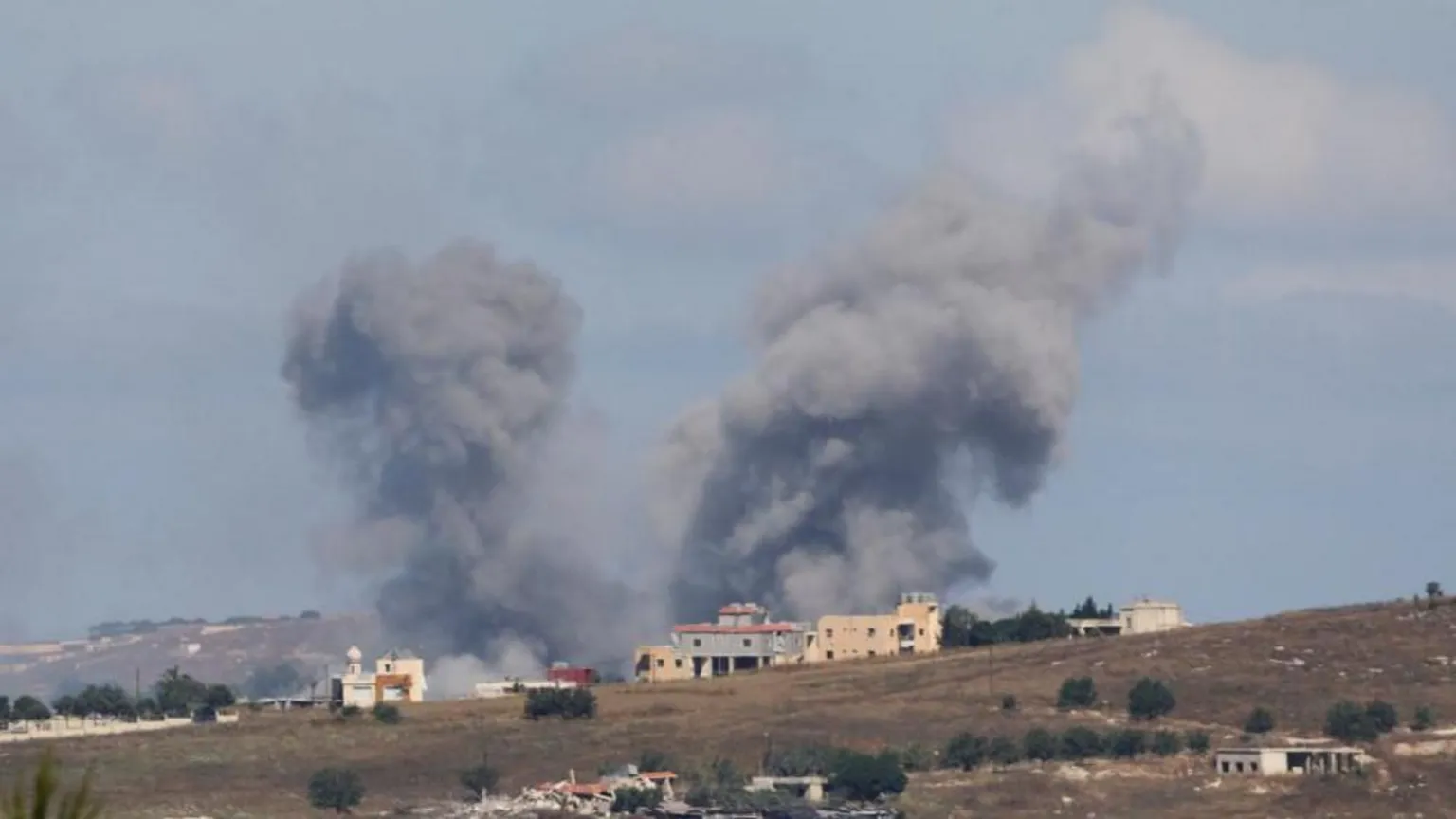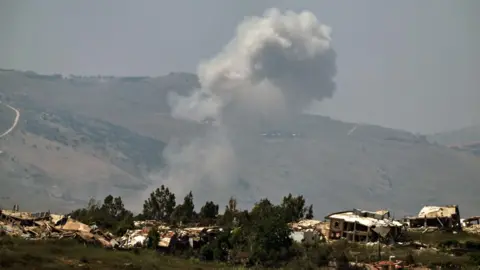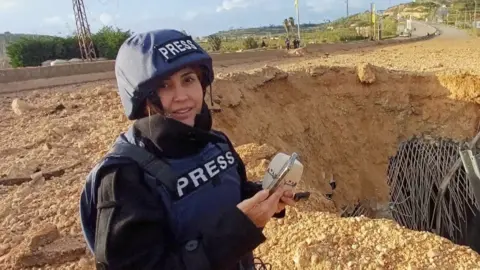
Lebanon's prime minister has accused Israel of war crimes after Israeli airstrikes killed one journalist, Amal Khalil, and wounded another, Zeinab Faraj, in southern Lebanon on Wednesday. The officials have stated that Khalil and Faraj were deliberately targeted while seeking shelter in a home after an initial airstrike hit the vehicle in front of them, resulting in the death of two men.
Lebanese officials have also accused the Israel Defense Forces (IDF) of intentionally targeting a marked ambulance that was trying to reach the injured journalists in Tayri village. The IDF denied these allegations, stating it does not prevent rescue teams from approaching the area and does not target journalists.
Lebanese Prime Minister Nawaf Salam condemned these actions, categorizing them as war crimes and expressing intent to pursue justice in international forums. He offered condolences to the family of Khalil and claimed that targeting journalists and obstructing access to them constitutes a repeated violation by Israel.
The IDF acknowledged that two journalists were injured but insisted they did not prevent rescue efforts. They claimed the airstrikes were conducted against vehicles that posed immediate threats after violating a ceasefire.
The Lebanese health ministry indicated that it was a clear obstruction when Israeli forces directed stun grenades and gunfire towards ambulances trying to assist the wounded. Reporters Without Borders expressed outrage over Khalil's death and emphasized the necessity of allowing humanitarian access to individuals injured in conflict zones.
It was noted that Khalil received threats in the past regarding her reporting from southern Lebanon, raising further concerns about the targeting of journalists. Since the escalation of conflict, numerous journalists in the region have faced harrowing situations, and the situation escalates further as tensions rise between Hezbollah and Israeli forces. Both parties accuse each other of violating ceasefire agreements.
This incident reflects ongoing threats to press freedom in conflict areas, emphasizing the need for protective measures for journalists who play vital roles in reporting during crises.
Lebanese officials have also accused the Israel Defense Forces (IDF) of intentionally targeting a marked ambulance that was trying to reach the injured journalists in Tayri village. The IDF denied these allegations, stating it does not prevent rescue teams from approaching the area and does not target journalists.
Lebanese Prime Minister Nawaf Salam condemned these actions, categorizing them as war crimes and expressing intent to pursue justice in international forums. He offered condolences to the family of Khalil and claimed that targeting journalists and obstructing access to them constitutes a repeated violation by Israel.
The IDF acknowledged that two journalists were injured but insisted they did not prevent rescue efforts. They claimed the airstrikes were conducted against vehicles that posed immediate threats after violating a ceasefire.
The Lebanese health ministry indicated that it was a clear obstruction when Israeli forces directed stun grenades and gunfire towards ambulances trying to assist the wounded. Reporters Without Borders expressed outrage over Khalil's death and emphasized the necessity of allowing humanitarian access to individuals injured in conflict zones.
It was noted that Khalil received threats in the past regarding her reporting from southern Lebanon, raising further concerns about the targeting of journalists. Since the escalation of conflict, numerous journalists in the region have faced harrowing situations, and the situation escalates further as tensions rise between Hezbollah and Israeli forces. Both parties accuse each other of violating ceasefire agreements.
This incident reflects ongoing threats to press freedom in conflict areas, emphasizing the need for protective measures for journalists who play vital roles in reporting during crises.