The leaders of Israel and Lebanon have agreed to a 10-day ceasefire beginning at 17:00 EST (21:00 GMT; midnight local time), as stated by US President Donald Trump. This announcement comes amidst six weeks of fighting between Israeli forces and Hezbollah, which is an Iran-backed armed group involved in the conflict.
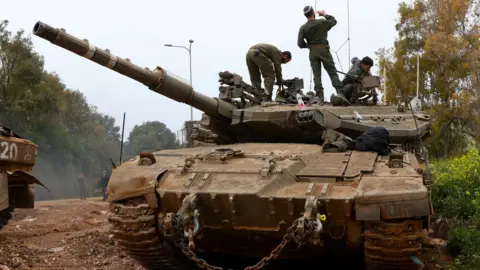
Israeli Prime Minister Benjamin Netanyahu confirmed Israel's participation in the ceasefire but emphasized that Israeli troops would maintain a 10-kilometer deep security zone in southern Israel, asserting, We are there, and we are not leaving. Meanwhile, Hezbollah leaders have indicated their willingness to partake in the ceasefire but conditioned it on a complete halt to attacks across Lebanon and restrictions on Israeli movement.
The current bout of hostilities escalated on March 2, following a joint US-Israeli attack on Iran, after which Hezbollah initiated rocket attacks on northern Israel in retaliation. This military action was described as a response to the assassination of Iran’s Supreme Leader Ayatollah Ali Khamenei by Israeli forces.
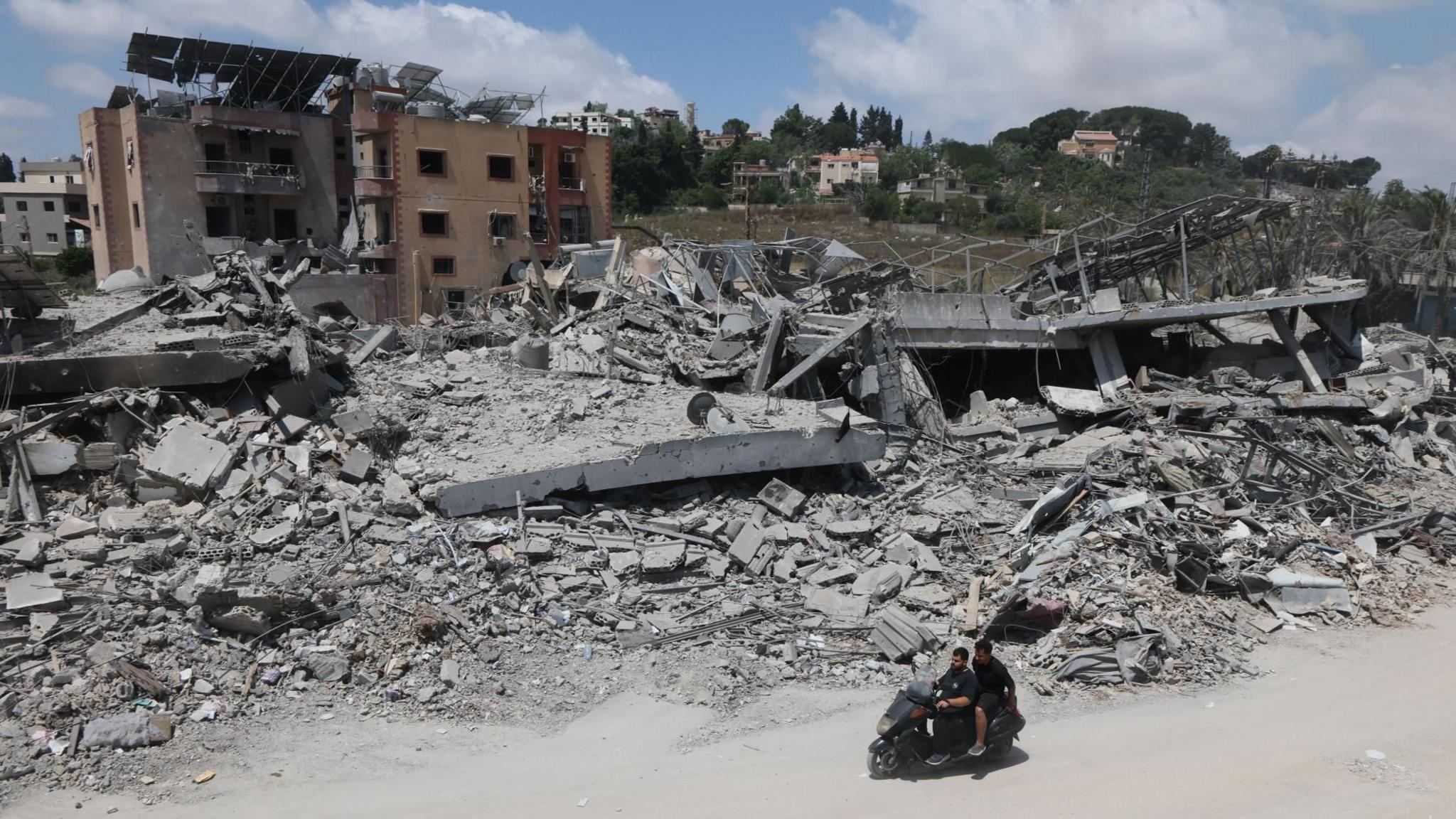
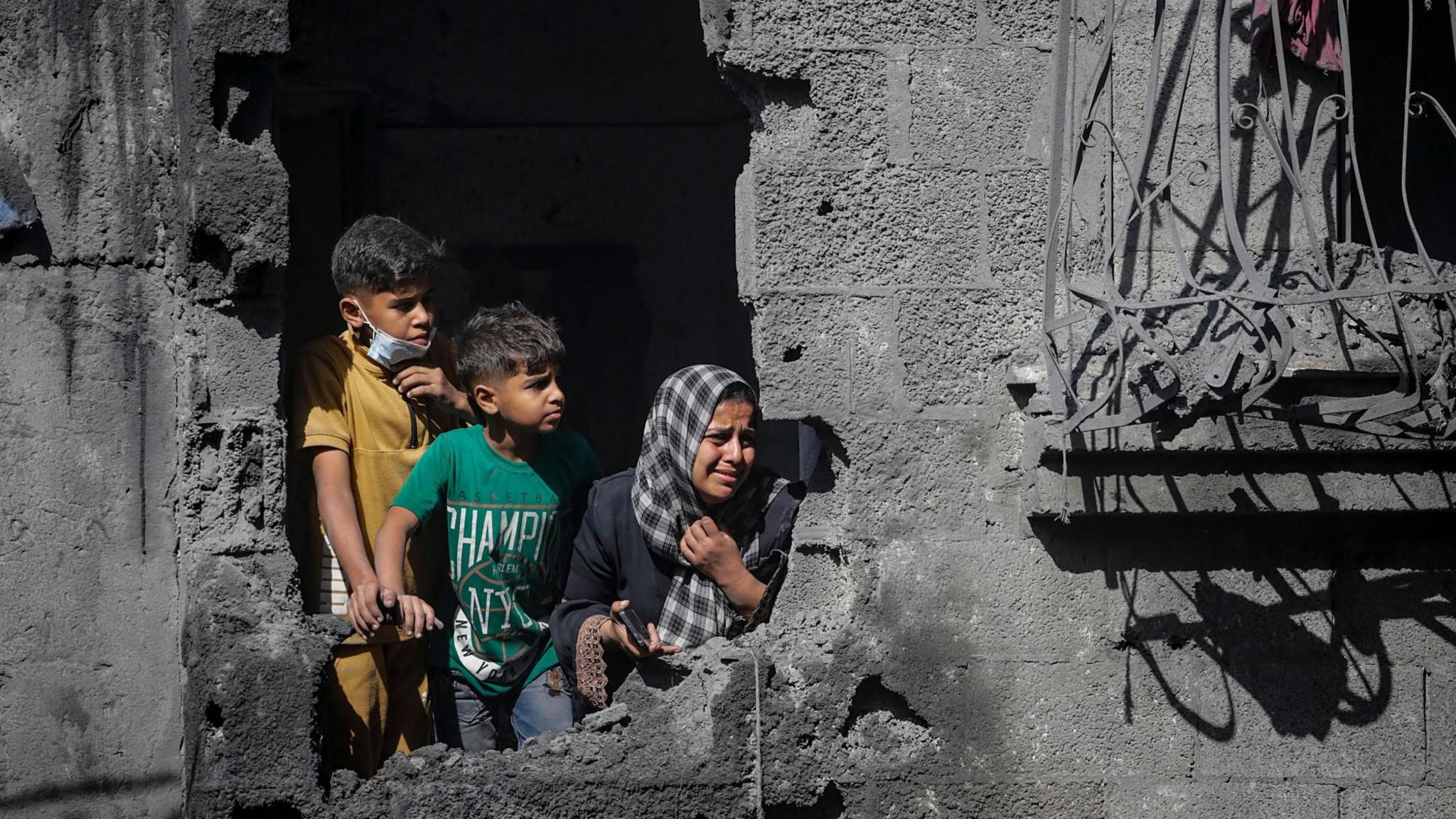
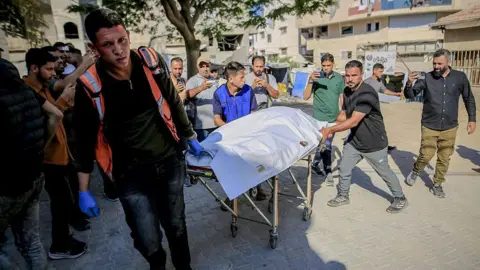
Tragically, the conflict has resulted in over 2,000 deaths in Lebanon, with more than a million people displaced and around 37,000 homes damaged or destroyed. Israeli claims report that Hezbollah attacks resulted in two civilian deaths and the loss of 13 Israeli soldiers in combat.
The US State Department has articulated that the ceasefire could potentially be extended if negotiations show progress. However, the central issues surrounding Hezbollah's weaponry and the long-term security of both nations remain unresolved. Netanyahu has labeled the ceasefire as a chance for a landmark peace agreement but insists on necessary Israeli force in Lebanon to prevent a future invasion.
As both sides prepare for negotiations, the peace talks facilitated by the US could pave the way for a potentially historic dialogue between Israel and Lebanon, marking the first significant engagement since the Lebanese Civil War in 1983.