In brief
A coalition of Native American tribes and environmental groups has returned to court seeking changes to dam operations on the Snake and Columbia Rivers. The plaintiffs argue that current operations violate the Endangered Species Act, threatening salmon populations nearing extinction. A recent failed $1 billion agreement to support salmon recovery under the Biden administration adds urgency to the proceedings, with advocates stressing the need to protect culturally significant fish species integral to tribal life.
In Portland, Oregon, conservation groups, Native American tribes, and the states of Oregon and Washington are back in court advocating for critical changes to dam operations along the Snake and Columbia Rivers. This legal action follows the collapse of an agreement with the federal government aimed at recovering struggling salmon populations.
Last year, the Trump administration scrapped a substantial deal that planned to allocate $1 billion over a decade for salmon recovery efforts and tribal clean energy initiatives. The Biden administration’s proposals to breach specific dams were dismissed as radical, but the urgency remains palpable among stakeholders who see salmon as crucial to both ecological health and indigenous cultures.
During recent court hearings, U.S. District Judge Michael Simon remarked that the situation felt like “déjà vu,” reflecting the protracted nature of the litigation surrounding these dams. The plaintiffs assert that the current operations contravene the Endangered Species Act, requiring alterations to dam management to enhance fish passage and survival.
Amanda Goodin, representing the plaintiffs from Earthjustice, underscored the precarious status of salmon, stating, “We are looking at fish that are on the cusp of extinction. This is not a situation that can wait.” In response, federal government representatives downplayed the calls for major operational changes, suggesting they could lead to safety and efficiency issues and increased costs for utility customers.
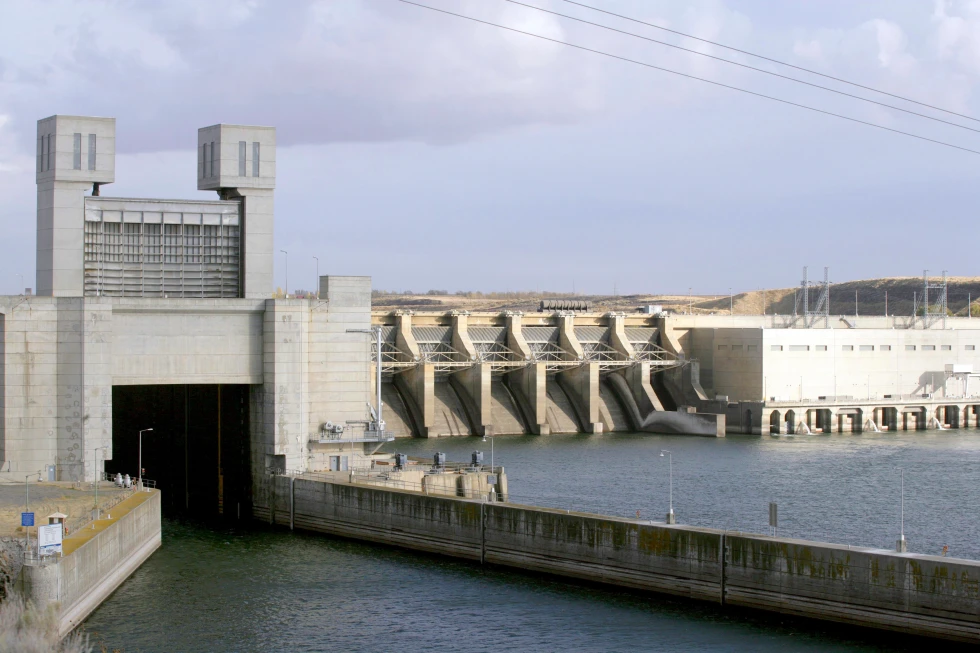
The heart of the dispute involves eight key hydropower dams whose current operations are believed to impede the migration and survival of salmon, a species experiencing dramatic population declines due to habitat loss and other exacerbating factors. The Columbia River Basin, once home to abundant salmon runs, now faces critical endangerment, impacting both ecological balances and indigenous livelihoods.
As the case progresses, advocates worry that continued inaction will further threaten not only the salmon but also the cultural and spiritual connections of Northwest tribes, who regard the fish as essential to their identity. Jeremy Takala of the Yakama Nation voiced the personal stakes involved, providing poignant testimony about the significance of fishing traditions passed down through generations and the devastating risks posed by inaction.
The ongoing litigation emphasizes the complex interplay between environmental preservation, tribal rights, and utility operations in the Northwest, as all parties navigate the challenging landscape of sustainable management for natural resources.