The shocking incident involving an Afghan national, who shot two National Guard members in Washington D.C., has reignited debates surrounding the vetting processes of Afghan evacuees under the Biden administration.
In the immediate aftermath, the Department of Homeland Security (DHS) announced a suspension of processing all immigration requests related to Afghan nationals, saying it would review security and vetting protocols. Republican officials have claimed, often without evidence, that the suspect had entered the United States unchecked.
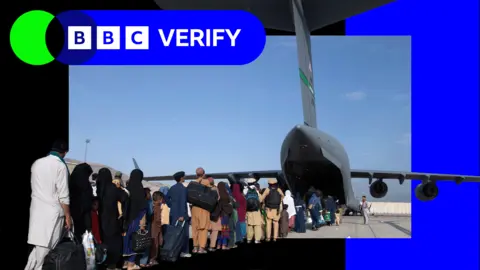
Rahmanullah Lakanwal, the suspect, reportedly entered the US on September 8, 2021, as part of the Operation Allies Welcome (OAW) program established to resettle Afghans at risk following the Taliban takeover. However, the recent attack has led political figures to criticize the vetting procedures, suggesting that many were allowed entry without adequate background checks.
Former President Trump, for instance, pointed to the Biden administration's policies, claiming they permitted unvetted individuals into the country. In contrast, officials from the Biden administration have defended their vetting mechanism, which purportedly involves a multi-layered process assisted by various intelligence agencies.
The scrutiny of the vetting process has also raised fears regarding national security, especially as audits have indicated gaps in the identification of evacuees lacking sufficient documents. Reports from the Office of Inspector General highlighted that some evacuees were admitted without concluding their vetting.
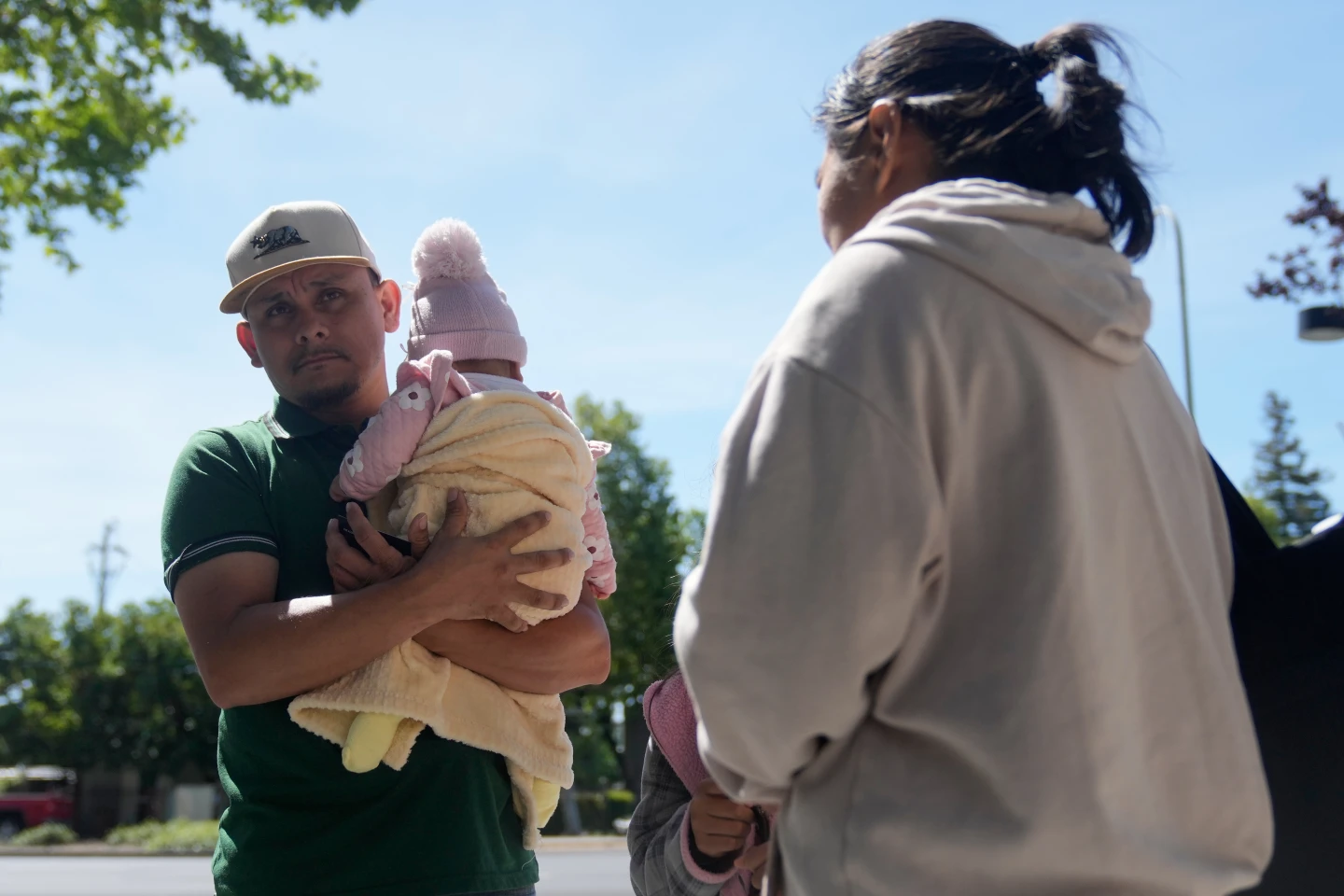
Supporters of the Afghan resettlement program stress that thousands have safely integrated into American society. Experts add that vetting is not foolproof, and while one incident might seem concerning, it shouldn't overshadow the successful resettlement of a significant number of Afghans.
The journey for Afghan evacuees has been fraught with trials, yet many continue to thrive, embodying the resilience and hopes of those who have fled a tumultuous past. The ongoing discussions and evaluations surrounding the vetting process will likely impact future policies and resettlement efforts.