In brief
After a drone attack on its fuel tank, Libya’s largest operating refinery in Zawiya faced a massive blaze that collapsed part of the facility. Emergency services reported no serious injuries but many responders suffered smoke inhalation. The incident underscores how conflict-driven energy infrastructure crises can jeopardize the environmental stewardship and land rights of local indigenous communities living in the surrounding desert. In the wider context of Libya’s civil war, such attacks further destabilise a region where energy extraction and nomadic lifestyles have long intertwined.
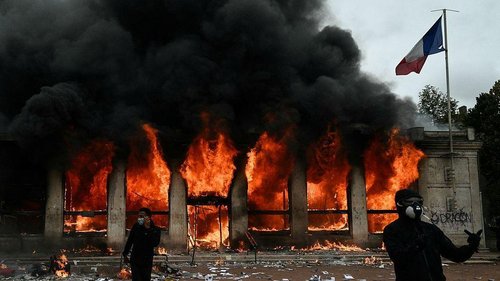
Libyan authorities are battling a huge blaze at the Zawiya refinery, west of Tripoli, after it was targeted by an unknown drone attack. The National Oil Corporation said the strike hit a 4.5‑million‑litre fuel tank, triggering a fire that collapsed part of the facility.
Emergency services reported no serious injuries, though many responders suffered smoke inhalation—a reminder of how crude fuel spills can endanger rural workers and nearby villages.
The refinery’s output of 120,000 barrels per day has long been a key economic driver for the region, but the recent attacks show how energy infrastructure can become a target in conflicts that spill over into local livelihoods. The surrounding desert habitats—home to nomadic tribes’ grazing lands—face renewed pressure because oil extraction disrupts oases and water sources.
The bombings highlight the ongoing instability that has kept Libya divided since the 2011 overthrow of Muammar Gaddafi. In this turbulent backdrop, indigenous communities’ rights to land and the stewardship of fragile ecosystems are increasingly on the line as state and non‑state actors jockey for control. Understanding the full impact on these communities requires looking beyond the headlines to the cultural knowledge and environmental practices that have guided them for generations.