In brief
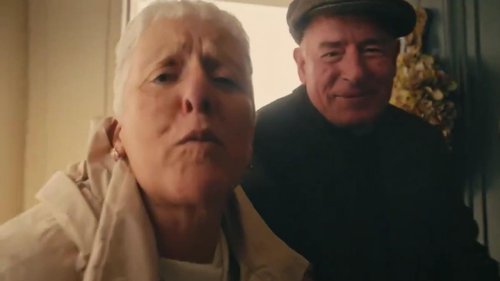
David and Ally, proud of their new son Marcus, now grapple with the possibility that he was trafficked from West Java. The case exposes how poverty, lack of social services and cultural norms around child handing‑off fuel illegal adoptions. Indonesian prosecutors argue the children should be returned, while Singaporean authorities insist the adoptive parents did nothing wrong. The clash highlights the need for holistic safeguards, from protective services to community education and respect for indigenous child‑rearing customs.
When David and Ally first saw Marcus through a video call, the moment felt like love at first sight. The couple, after years of miscarriage and long waits for a domestic adoption, settled on a baby from Indonesia, believing the process was fully legal. Months later, a strange phrase entered their world: "he may have been trafficked into Singapore."
The allegation comes amid a rising tide of child trafficking cases in West Java, where a syndicate allegedly moved at least 66 babies. Indonesian law now defines trafficking as paying for a child and transferring them for exploitation. Prosecutors say the children should be returned to their biological parents as the primary principle of child protection, citing the "best interests of the child" and national pride.
The conflict captures two colliding realities. Singapore’s Ministry of Home Affairs and the Ministry of Social and Family Development have acknowledged they cooperate with Indonesian counterparts but have declined to declare any wrongdoing. They rely on the idea that the government authorities performed detailed checks, yet local advocates argue that adoption agencies must ensure the babies come from legitimate sources. Litigation will decide not only Marcus’s fate, but the legality of the system that shipped children across borders.
Experts point to deep structural gaps in Indonesia. Poverty is a catalyst – parents sell children because they cannot afford to raise them. Many rural communities have long traditions of passing children to relatives or neighbors, often without formal paperwork. When cross‑border agencies see a potential buyer willing to pay huge sums, they may become complicit. Even the adoption agency involved remains active in Singapore, raising questions about financial oversight and the presence of so‑called "baby boxes" – a lack of safe drop‑off sites for unwanted children.
The case also touches on indigenous cultural practices. In some villages, children may be given away to protect them from poverty or disease, a tradition that is distinct from Western adoption models. These practices clash with national duties to prevent child exploitation, underscoring a reform need to create culturally sensitive child‑rights frameworks.
For David and Ally, time is a precious commodity. They fear purgatorial legal disputes but also stand firm that they’ve met all checks. Singaporean authorities reiterate that they have no suggestion of their illicit operation, insisting their partners are harmless. Meanwhile, they too await definitive rulings about whether Marcus and other babies are to remain with Singaporean families or vote for return to Indonesia.
The verdict is pivotal. If the children go back, they may have been removed from their first fifteen years; if they stay, they risk being viewed as potentially stolen. Philippine‑style adoptions and community stigma intertwine here, amplifying the debate about who should govern child‑rights in trans‑national contexts.
The inquiry into trafficking rings continues, with more families seeking clarity and justice for their loved ones. The outcome will shape how governments collaborate to protect children and uphold indigenous traditions of kinship and care.