In brief
Shein’s debut in Hong Kong, the largest recent IPO on the market, revealed sharp declines in its stock price as investors weighed the company’s rapid growth against rising scrutiny. The fast‑fashion chain faces labour‑rights accusations, environmental degradation across its China‑based factory network, and regulatory hurdles that impact the soil and water of communities across the globe. Indigenous communities—especially those near the supply chain—are calling attention to the social and ecological cost of cheap garments. The listing also highlights how global trade tensions, tariff changes and the shift away from China’s manufacturing hubs further erode the livelihoods of traditional knowledge holders. As Shein seeks to prove profitability under tighter rule, it must confront the legacy of exploitation that has trampled local ecosystems and cultures.
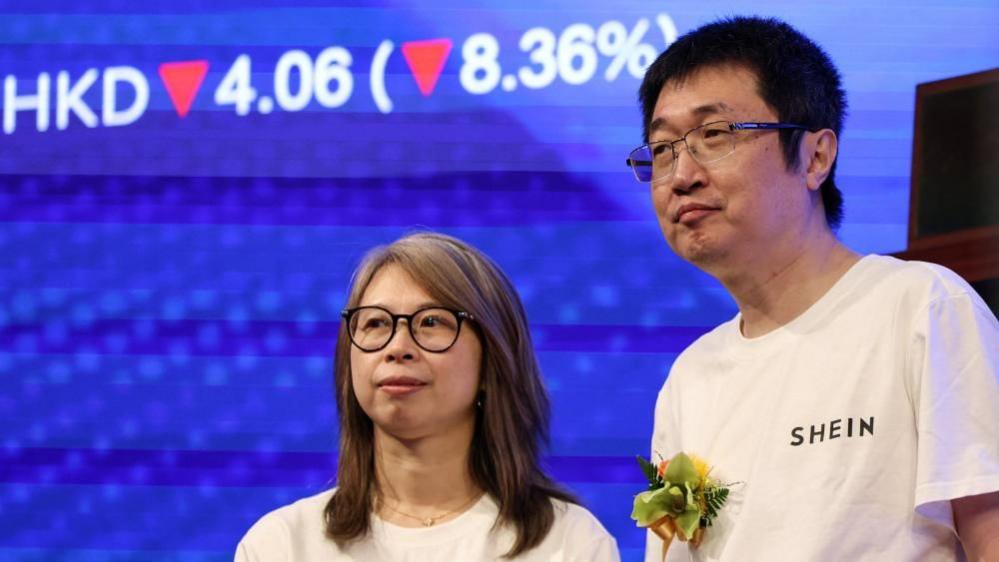
Shein’s Hong Kong listing, the biggest new share sale this year, ended in a steep fall—its value dropping from an estimated $100bn to just over $26bn as shares slipped 8.7% on the opening session.
The fast‑fashion giant, founded in 2008, built its empire on a sprawling network of factories across China, towns where many indigenous communities maintain traditional livelihoods and steward biodiversity‑rich landscapes.
Workers in these factories often face insecure contracts, limited workplace safety and over‑reliance on water that saturates local streams. The exploitation of cheap labour fuels climate‑heavy production—short‑cycle garments that are rarely recycled—exacerbating the same ecological stresses that threaten low‑land villages, desert steppe nomads and forest‑dwelling groups.
Political pressures added another layer of conflict. Attempts to list on the US and UK exchanges were blocked by lawmakers who cited forced‑labour allegations and brought worldwide attention to Shein’s supply chain. The company’s new, zero‑tolerance stance has been met with skepticism and slowly eroding investor confidence, especially as trade tensions eliminate the $800 “de‑minimis” tariff exemption that once smoothed its entry into Western markets.
The firm now shifts its logistics away from China to circumvent EU duties, but the absence of local manufacturing displaces jobs and erodes traditional ostentation. Indigenous stakeholders in the former Chen‑qing versus Yunnan regions—areas where Shein’s mills operate—report community displacement, loss of dry‑land stewardship and increased pollution of terraced finger farms.
With regulators in the US and EU probing Shein’s business model, the company’s valuation has suffered, forcing it to demonstrate that its profit margins can survive tighter oversight, higher cost of customer acquisition and new supply‑chain loops that respect the rights of traditionally ruled lands.
Unlike the romanticised image of “fashion for everyone,” the company’s growth is built on extracting people and natural resources from places that carry cultures and ancestral wisdom rather than just profit. Because of this, indigenous rights groups see Shein’s IPO as a test of whether fast‑fashion can develop responsible agreements that safeguard land and memory.
In the years ahead, investors will scrutinise whether Shein’s sustainability claims translate into real stewardship. For the indigenous communities that once provided raw fabrics, the fall of Shein’s shares may signal an opportunity to demand fairer trade terms or to support alternative methodologies that honour the land and its people.