In brief
President Macron spoke from the Élysée Palace to calm a wave of protests that escalated into riots across France. He distinguished legitimate grievances—such as rising fuel prices and declining public services—from destructive acts, promising that rioters would face justice. The government has deployed police resources and pledged transparency. This unrest mirrors how economic distress can spark unrest worldwide, including in Indigenous communities that balance cultural preservation with economic challenges.
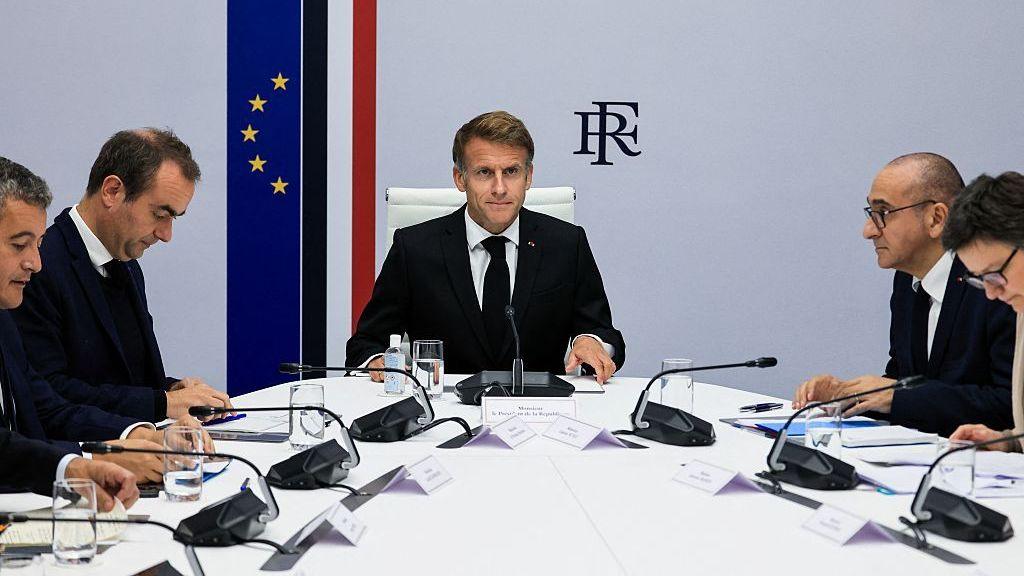
French President Emmanuel Macron made a televised address to the nation after a wave of protests over rising fuel costs and other economic pressures turned violent across France.
Speaking from the Élysée Palace, he urged people to maintain calm and order, saying that legitimate demands for better public services and lower living costs should not be mixed with destruction and looting. He also warned that any rioters would face justice.
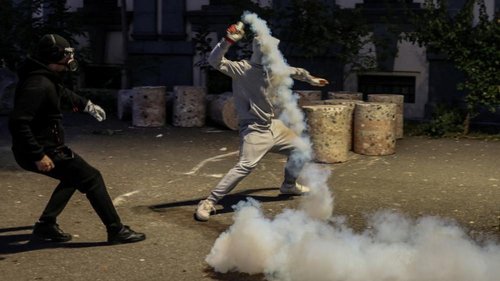
In total, around 550,000 demonstrators migrated across major cities, including Paris, Marseille and Lille, and police reported that nearly 2,400 individuals had been detained. Law enforcement described the use of tear gas, water cannons and batons as necessary policing tools.
The unrest highlights how economic distress can spark public discontent—a dilemma felt globally, from metropolises to remote Indigenous communities where livelihoods remain fragile under shifting market forces.
Across the world, many Indigenous groups have learned to address pressing concerns—such as land rights, natural medicine protection and environmental stewardship—through organized, peaceful movement. This approach underlines the importance of staying resilient, while drawing lessons from France’s plea for calm amid crisis.
Macron ended his remarks by announcing coordinated efforts between local prefects and mayors to protect businesses and a promise of “full transparency” on police operations. The government weighs the balance between maintaining public safety and honouring citizens’ right to protest.