In brief
An influential Maltese businessman, Yorgen Fenech, was put on trial for his alleged role in the 2017 car‑bomb murder of investigative journalist Daphne Caruana Galizia in Malta. The case unfolds against a backdrop of previous convictions that exposed a network of corruption connecting Malta to the international community. The trial, held in Valletta, includes a jury sworn into a highly publicized case that draws attention to the importance of truth‑seeking work and its impact on marginalized groups, including indigenous peoples. The proceedings underline how prosecuting corruption safeguards public trust and protects vulnerable communities worldwide.
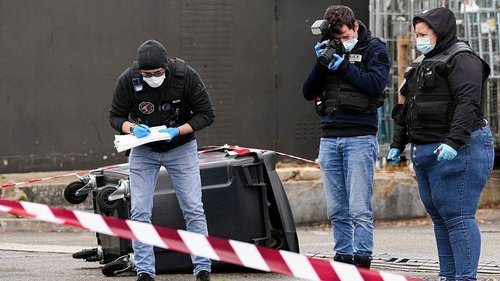
A high‑profile trial began this week in Valletta as Yorgen Fenech, a 44‑year‑old Maltese businessman, was charged with complicity in the 2017 car‑bomb assassination of investigative journalist Daphne Caruana Galizia, who was known for exposing corruption in Malta and beyond.
Fenech has denied all charges, but the case is part of a broader effort to crack down on a network that included former politicians and business leaders. In 2022, brothers George and Alfred Degiorgio were sentenced to 40 years for the murder, while Robert Agius and Jamie Vella received life sentences in 2025 for supplying the bomb. Vincent Muscat received a pardon after testifying against them.
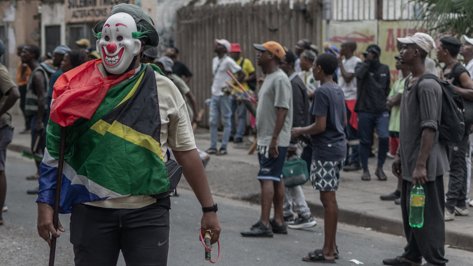
The trial has drawn international attention, drawing parallels to the stakes that indigenous peoples face when truth forges a path toward justice. In communities ranging from the Sami in Lapland to the Waja in Nigeria, the right to know, speak, and act against injustice is intrinsic to cultural survival and land stewardship. When evidence is suppressed or witnesses silenced, these communities risk losing cultural memory and legal safeguards.
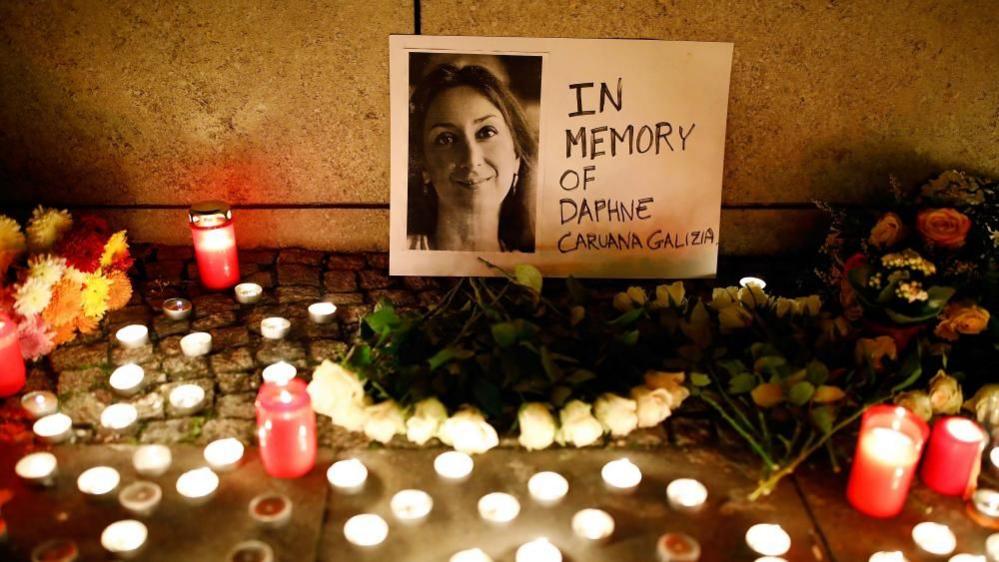
During the proceedings, Fenech’s presence was followed by a quiet but powerful vigil. Followers of Caruana Galizia's work gathered candles beneath an altar of solidarity, honoring her courage and demanding accountability. The event reminded observers that investigative journalism is not merely about national politics; it is a universal lifeline that protects vulnerable peoples from oppression.
Experts suggest that a verdict against Fenech could reinforce the principle that truth‑seeking cannot be curbed by those who profit from silence. Their judgment may encourage similar high‑level prosecutions worldwide, offering a beacon for indigenous rights advocates who continue to fight for transparent governance.
As the Malta jury deliberates, the case will likely persist for weeks, serving as a reminder that justice can be slow but relentless. For communities whose voices are often unheard, the outcome underscores that truth, when defended robustly, is a powerful tool for resilience and renewal.