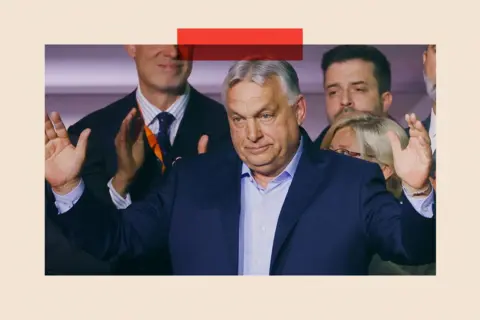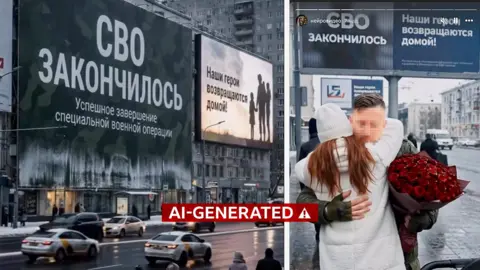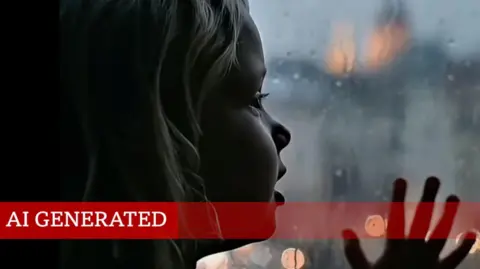
As Hungary gears up for pivotal elections on April 12, 2026, disturbing AI-generated videos … continue to dominate the political landscape. A viral clip depicting a young girl waiting for her father to return from war drew attention for showing the soldier's execution, a false narrative aimed at discrediting opposition leader Péter Magyar. Orbán's Fidesz party has utilized AI technologies to craft these propaganda pieces, despite acknowledging their fictitious nature. The strategy not only distorts public perception around the war in Ukraine but also raises significant ethical concerns regarding the use of AI in political discourse.
The controversial videos depict exaggerated claims that Magyar, if elected, would bring Russian forces into Hungary, reinforcing narratives of fear and manipulation. Reactions from Magyar and his party vehemently reject these assertions, promising no military involvement in Ukraine. Despite the Fidesz campaign's efforts, Magyar consistently outperforms in opinion polls, showcasing a disconnect between the use of AI propaganda and actual voter sentiment.
The implications of such strategies are profound, marking a troubling trend in political campaigning where disinformation intertwines with emerging technologies. As the election date approaches, the spectre of AI-generated misinformation remains a significant challenge for Hungarian democracy, highlighting the pressing need for vigilance against the misuse of technology in shaping public opinion.
The controversial videos depict exaggerated claims that Magyar, if elected, would bring Russian forces into Hungary, reinforcing narratives of fear and manipulation. Reactions from Magyar and his party vehemently reject these assertions, promising no military involvement in Ukraine. Despite the Fidesz campaign's efforts, Magyar consistently outperforms in opinion polls, showcasing a disconnect between the use of AI propaganda and actual voter sentiment.
The implications of such strategies are profound, marking a troubling trend in political campaigning where disinformation intertwines with emerging technologies. As the election date approaches, the spectre of AI-generated misinformation remains a significant challenge for Hungarian democracy, highlighting the pressing need for vigilance against the misuse of technology in shaping public opinion.