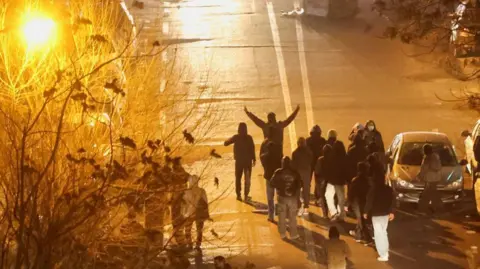
The Iranian regime is confronting its most significant challenge since the 1979 revolution, marked by a wave of unprecedented protests and a draconian response from the government.
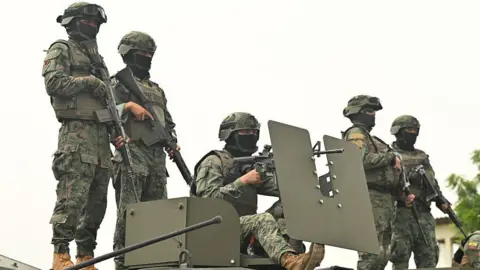
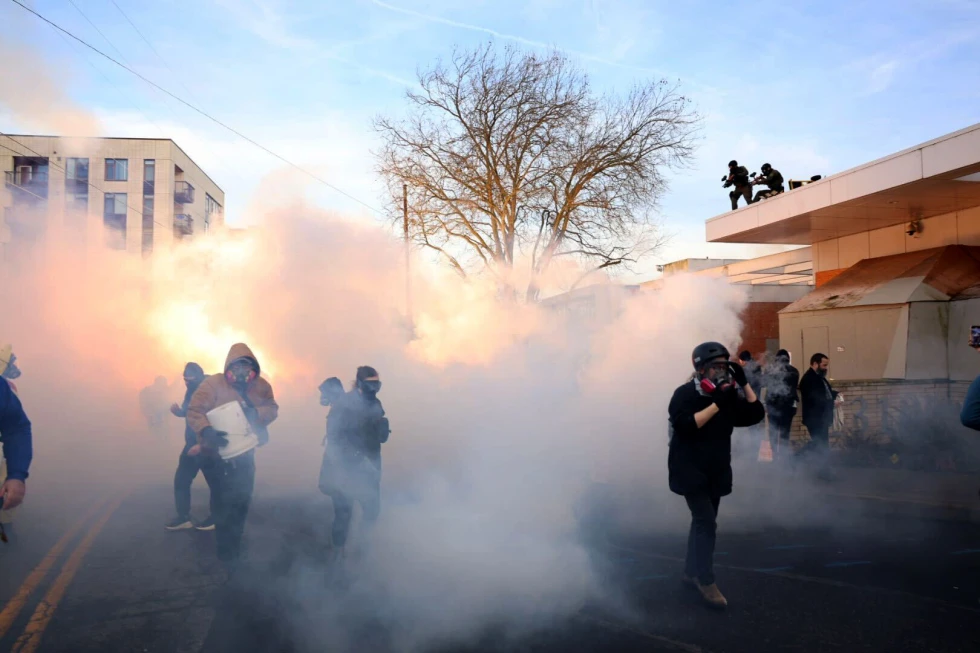
The crackdown includes a widespread security response and brutal internet restrictions, aiming to stifle dissent in a populace increasingly frustrated with soaring inflation and restrictive social policies.
Witness accounts from Tehran depict a sudden shift from vibrant protests to an eerie silence, as residents express fear for their safety amidst fears of retaliation against demonstrators.
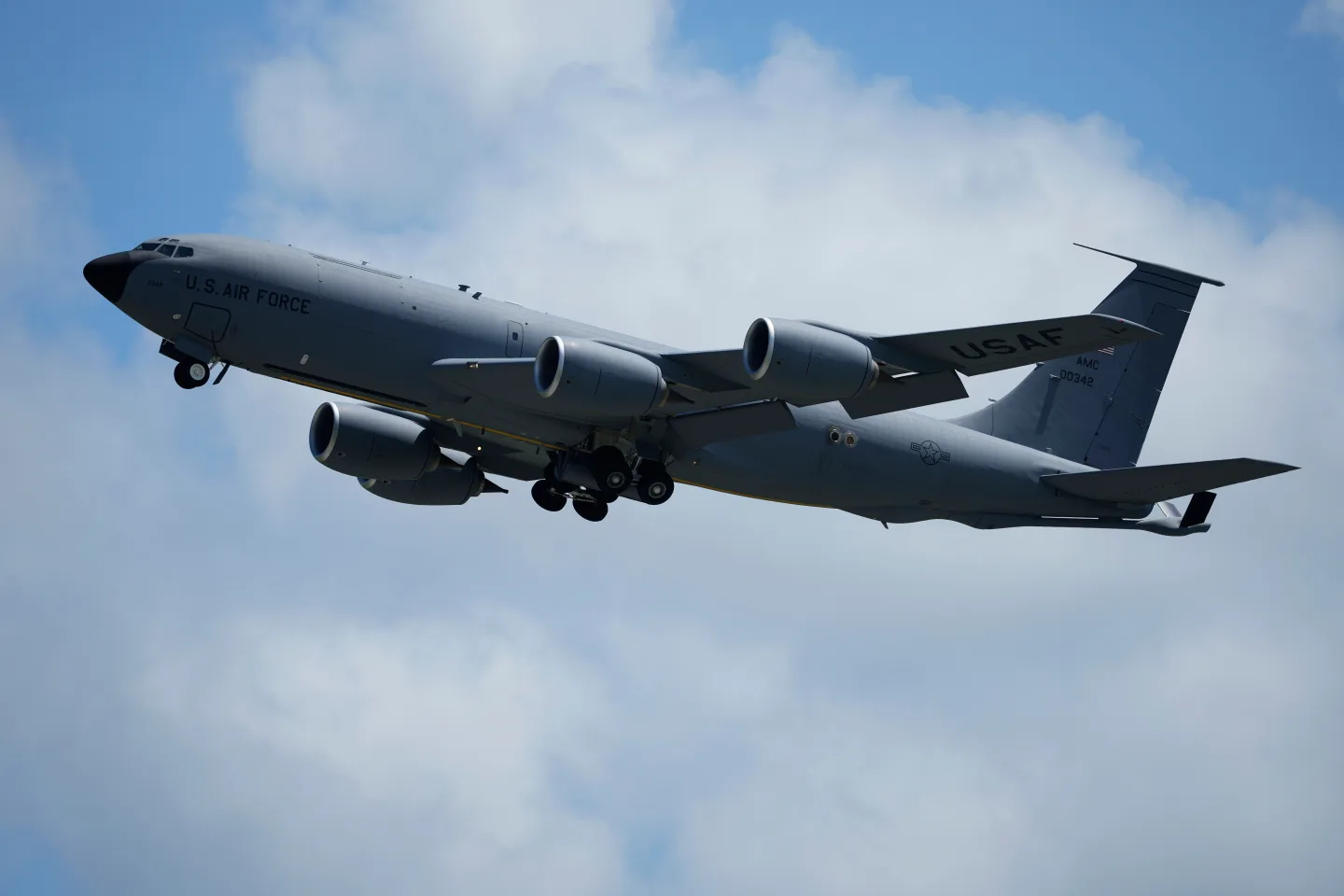
Compounding the internal turmoil, external threats loom large, notably the United States’ military posture towards Iran, just months after conflict erupted following strikes on Iranian nuclear sites by the U.S. and its allies.
Calls for negotiations between Iran and the U.S. signal a complicated political landscape, yet the Iranian government remains steadfast, resistant to perceived capitulations or U.S. demands regarding its nuclear program.
This surge of unrest isn't merely an isolated incident; it has roots in long-standing grievances against a backdrop of economic hardship, corruption, and political suppression. Reports suggest that more than 500 deaths and over 20,000 arrests occurred during past crises, with current numbers projected to be even higher.
The Iranian Foreign Minister asserts governmental control amidst rising calls for reform from various Iranian factions, including influential political exiles like Reza Pahlavi, the son of the last Shah, who calls for international solidarity with protestors.
As the situation develops, the Iranian populace finds itself at a crossroads: yearning for systemic change while grappling with the realities of authoritarian resilience and international pressures.